
Last updated November 15, 2026
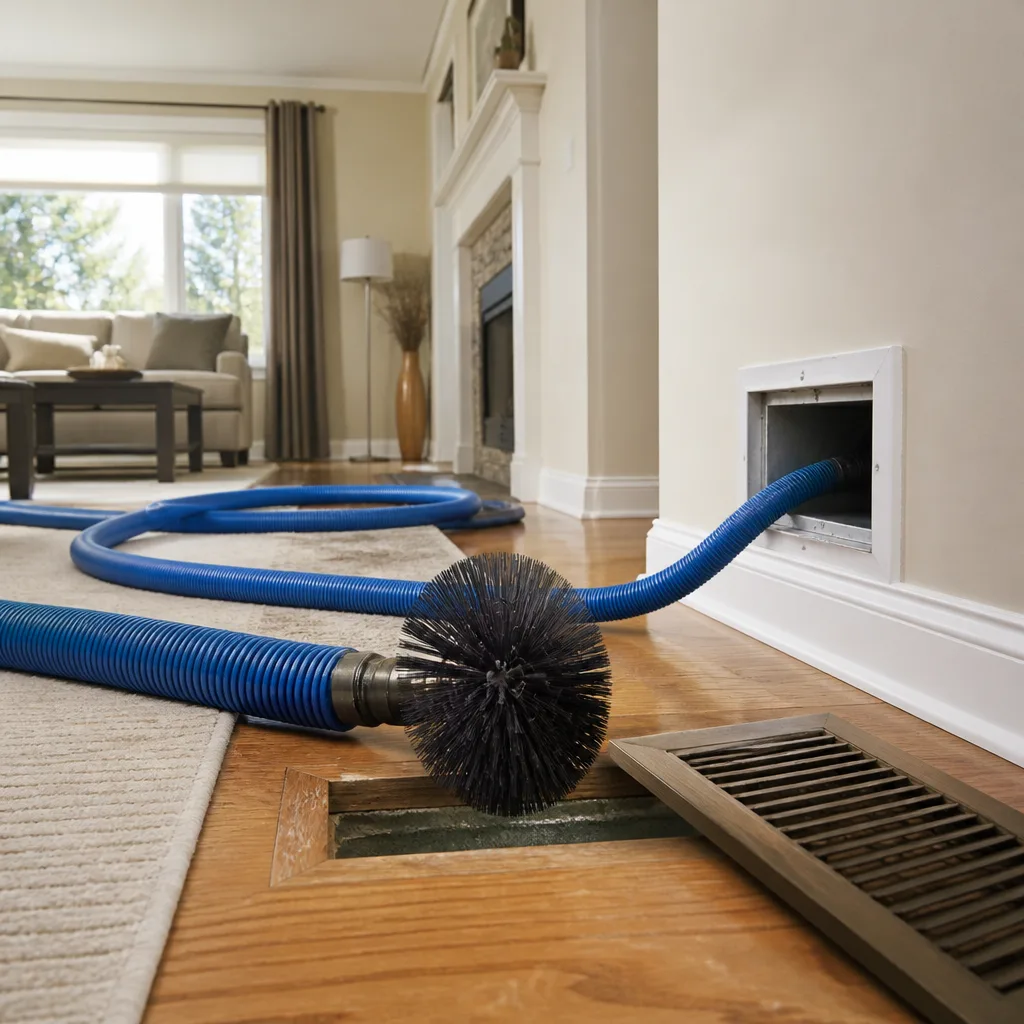 Whole-home duct cleaning
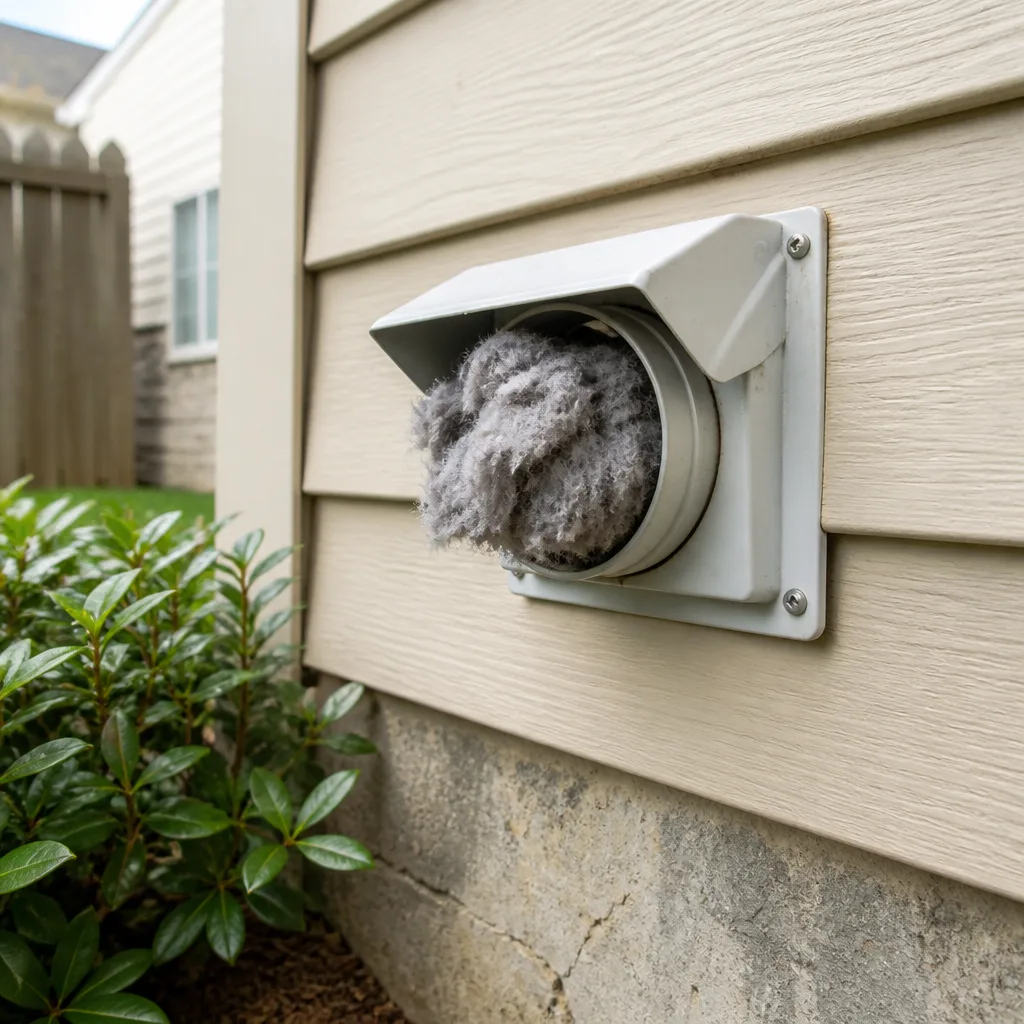 Dryer vent cleaning
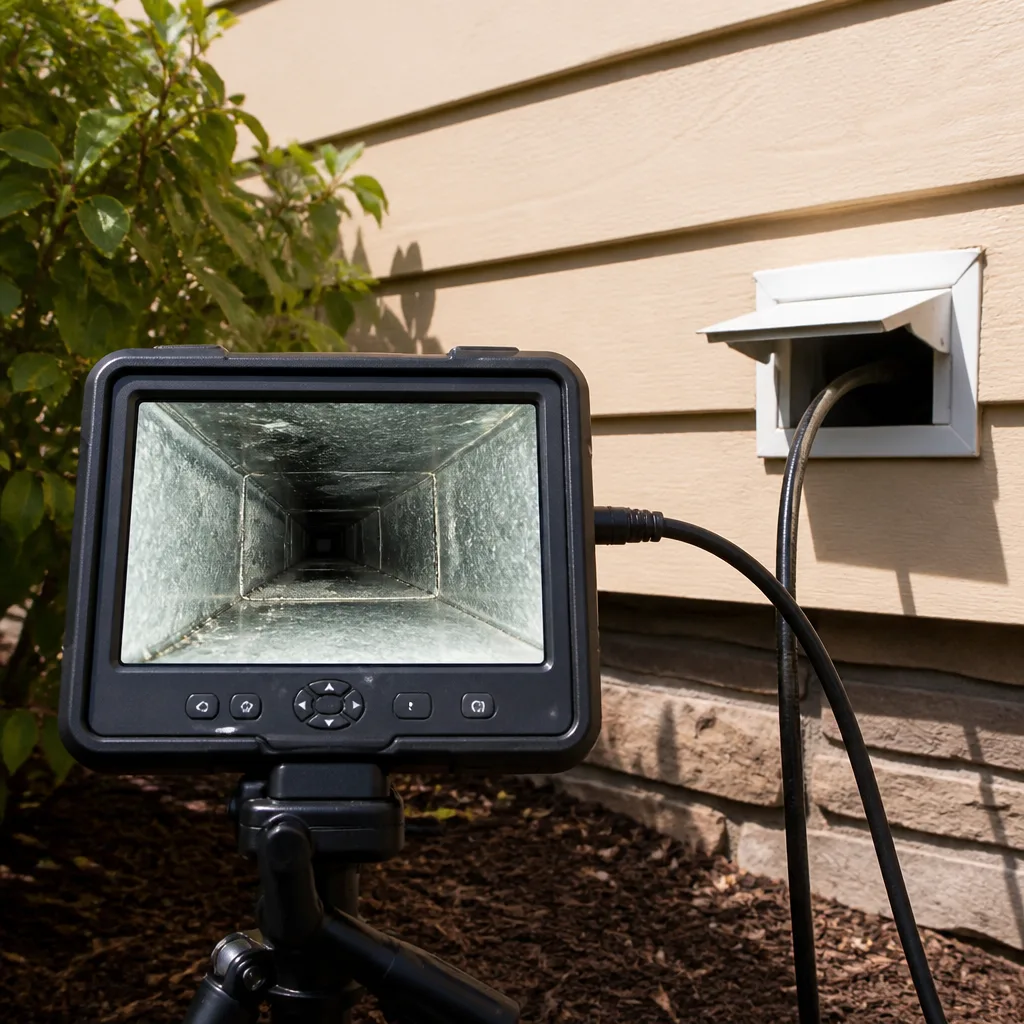 Camera inspection
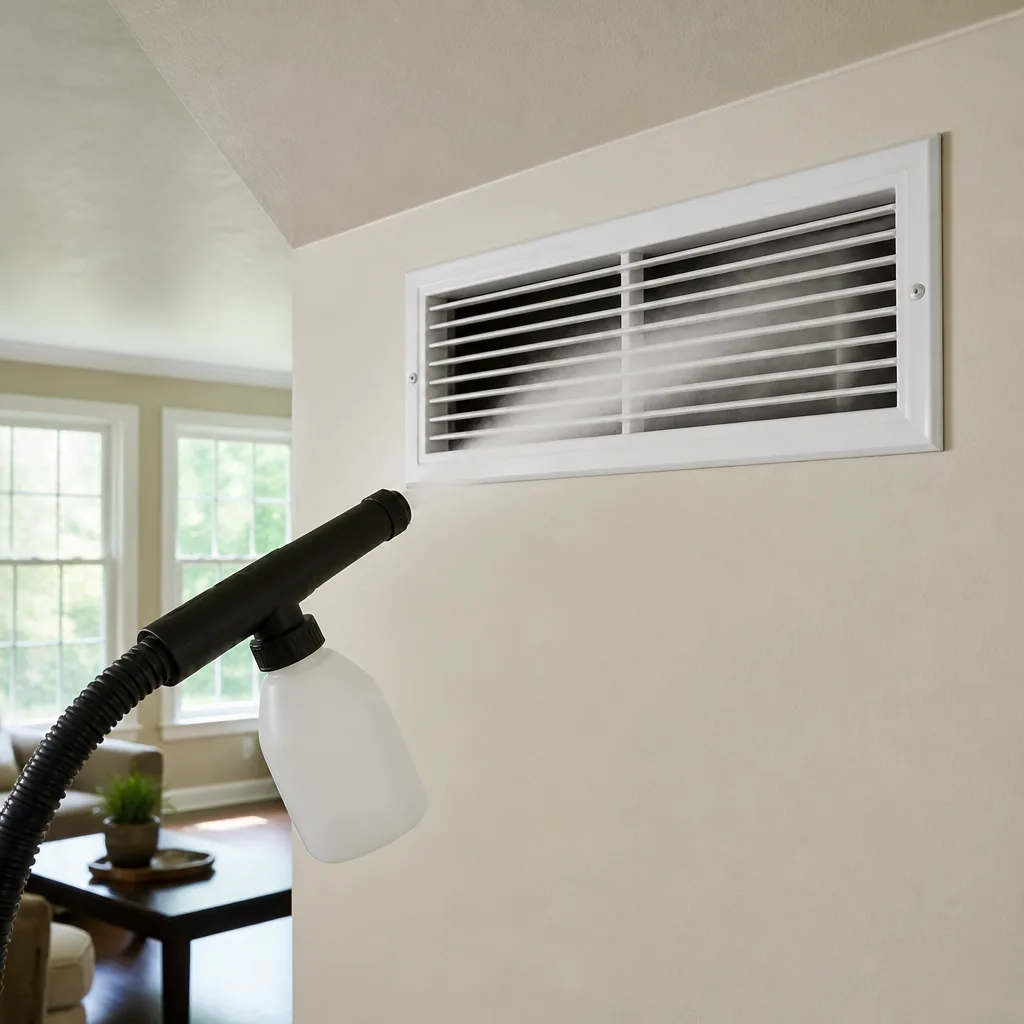 Sanitizing & deodorizing
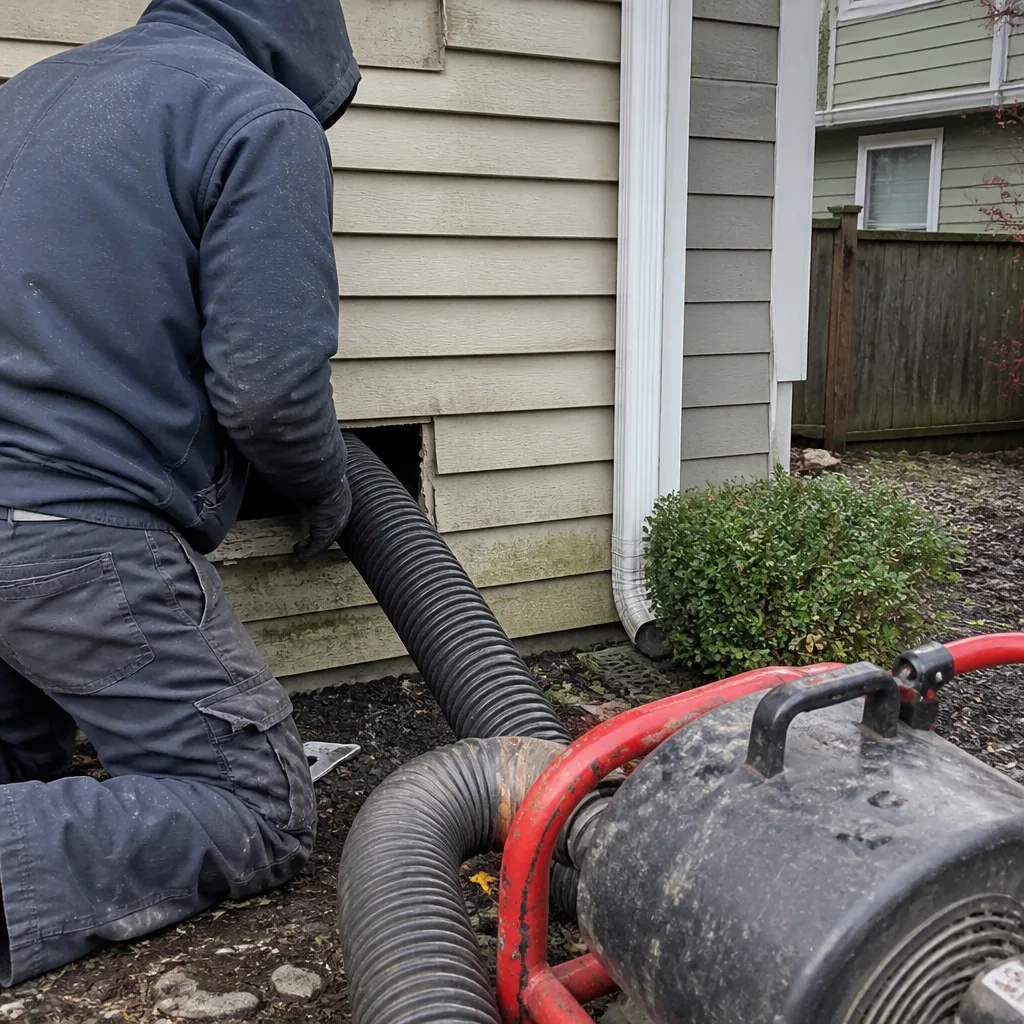
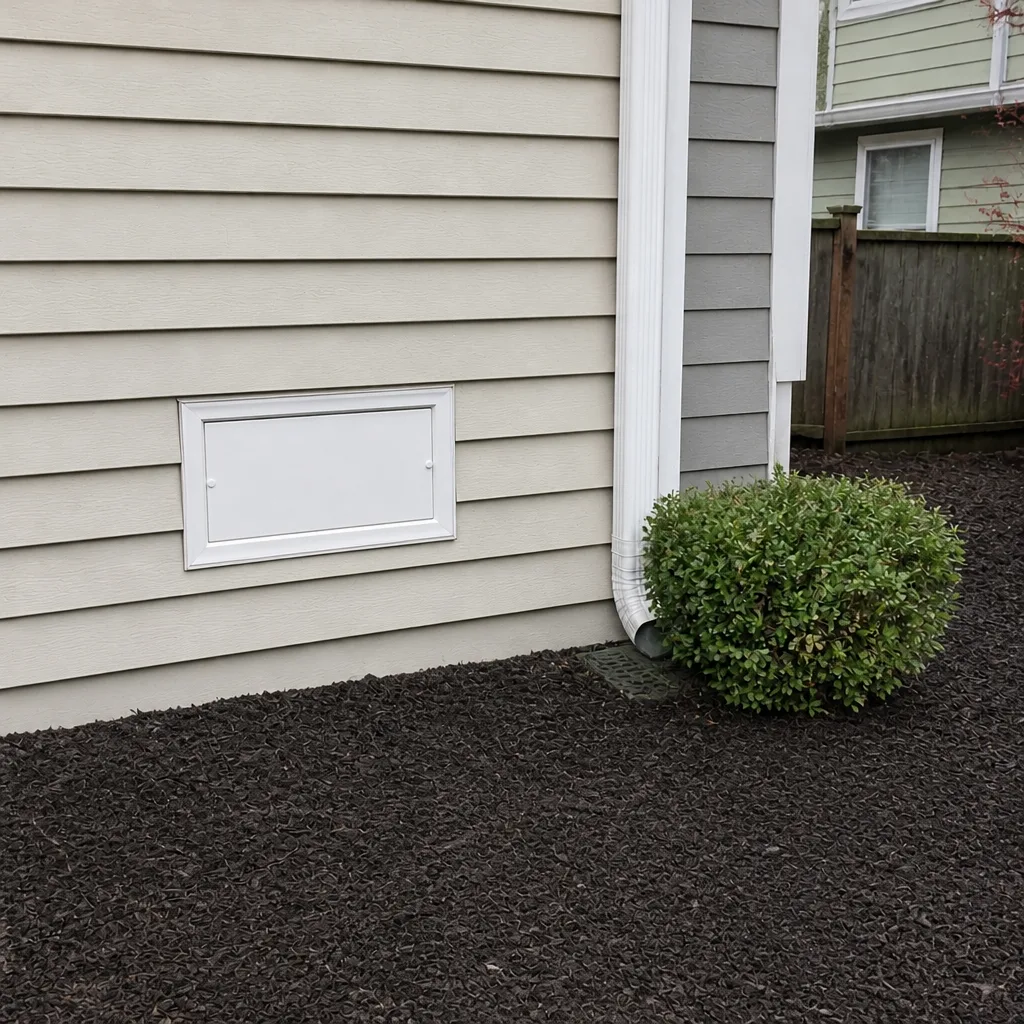
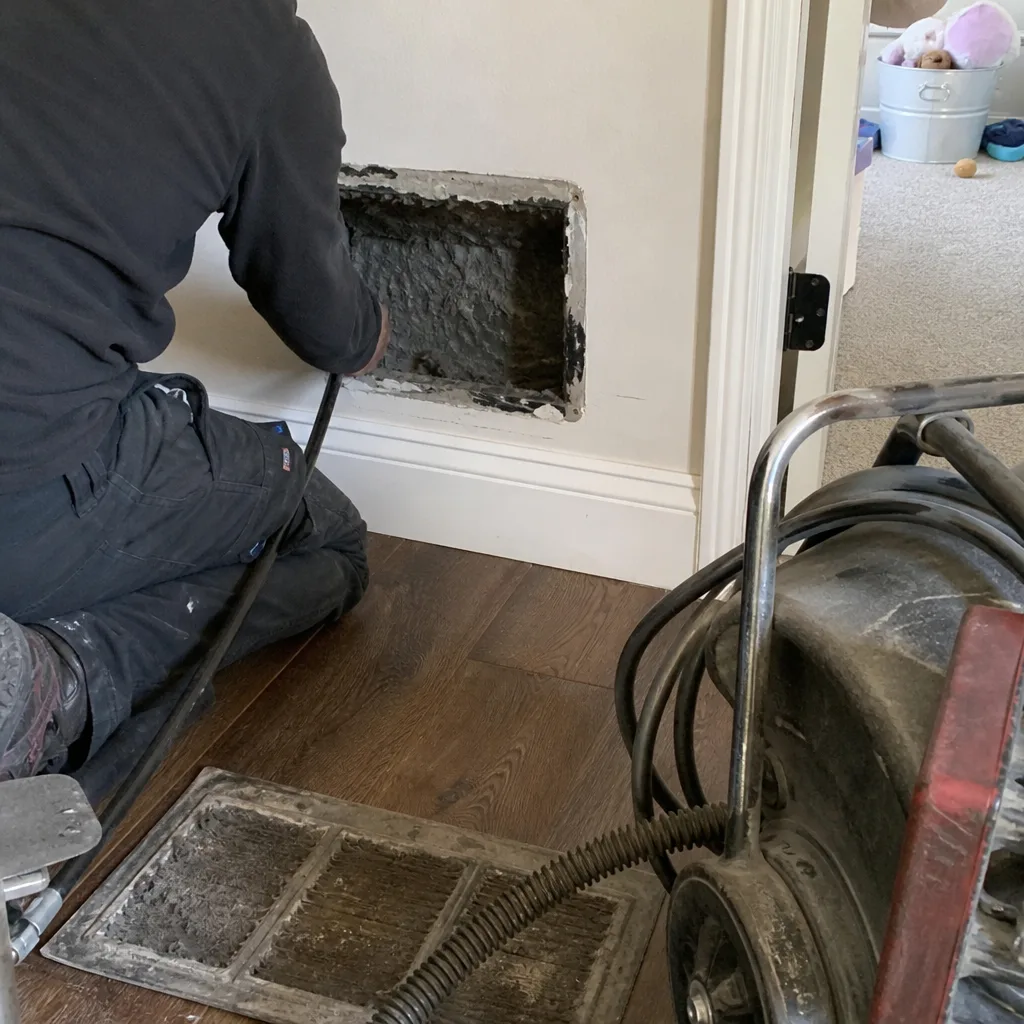
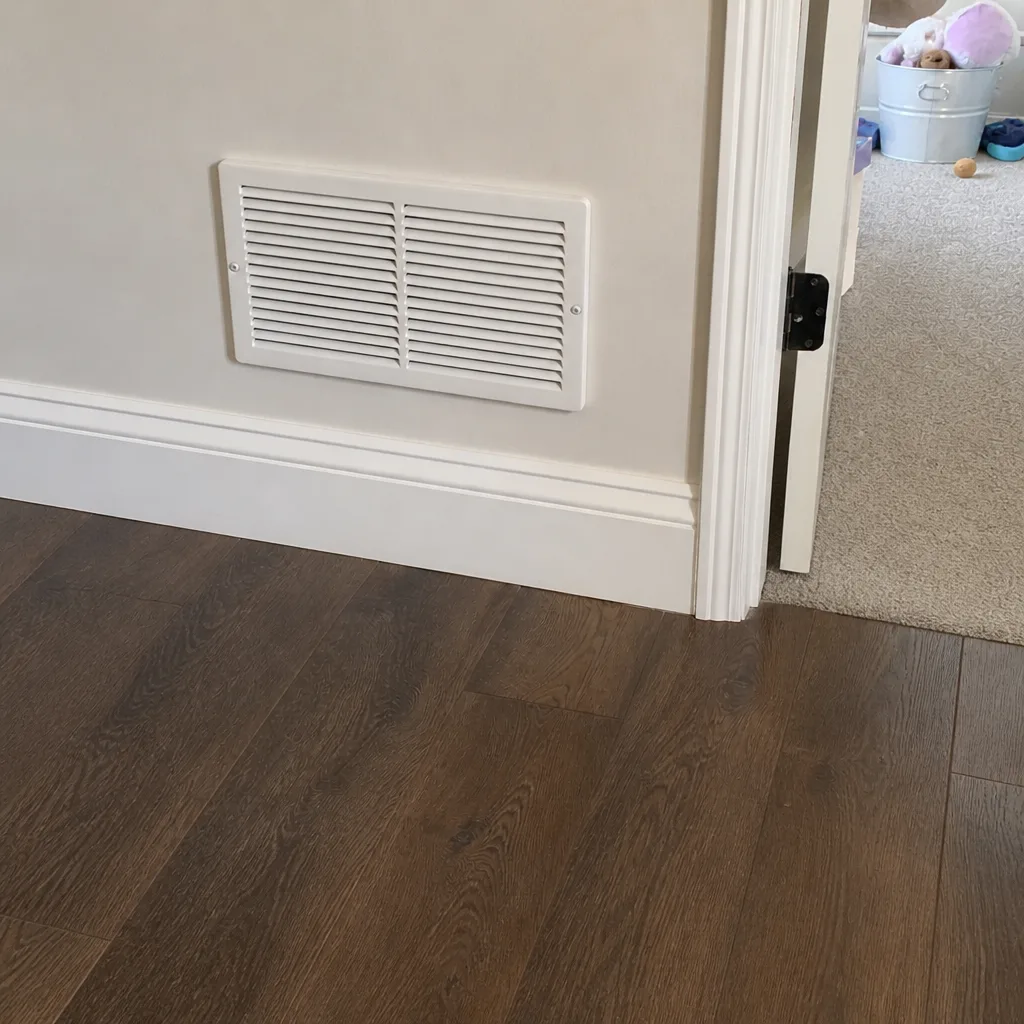
Whole-system duct and dryer vent check with before-and-after photos - you see exactly what came out of your vents
That "$99 whole-house special" is a bait ad - the real number appears once they are in your hallway, or the "clean" is a shop-vac at the register. We photograph the inside of your ducts before and after instead.
Air Duct Cleaning Permits, Codes & Inspections in Tacoma, WA: What You Need to Know
Cleaning a duct system doesn’t require a permit in Washington. Nothing in the state’s building code treats the act of removing dust, debris, and buildup from inside existing ductwork as regulated construction. So why does this guide exist? Because duct cleaning and duct work are two different things, and the line between them is thinner than most homeowners in Tacoma expect. The moment a technician cuts a new access panel, reconnects a disconnected run, seals joints with mastic, or applies an antimicrobial treatment inside the duct system, the job can cross into work that Washington State and Pierce County treat as licensed, regulated, and sometimes permitted activity. Most people scheduling a cleaning have no idea that boundary exists. This guide explains exactly where it sits, what triggers it, what home inspectors look for at resale, and how to ask for documentation that protects you if any of it is ever questioned.
Quick Answer
Standard air duct cleaning in Tacoma does not require a permit. Duct repair, duct modification, and some in-duct treatments do. Under Washington State rules, altering, extending, or reconnecting ductwork is licensed contractor work, and Pierce County can require a permit for HVAC-adjacent modifications. Antimicrobial products applied inside ducts must be EPA-registered for that use. Cleaning alone is unregulated; changing the system is not.
Styles & brands we work with
- Whole-home duct cleaning
- Dryer vent cleaning
- Camera inspection
- Sanitizing & deodorizing
Table of Contents
- Cleaning vs. Duct Work: The Regulatory Line in Washington
- Does Pierce County Require a Permit for Duct Work in Tacoma?
- Access Panels and Reconnections: When Small Jobs Become Regulated
- EPA Registration and Antimicrobial Treatments Inside Ducts
- What Home Inspectors Look For in Tacoma Duct Systems at Resale
- How to Request Contractor Documentation That Protects You
- How to Verify a Contractor Before the Van Arrives
Cleaning vs. Duct Work: The Regulatory Line in Washington
Here’s the clearest way to understand the difference. Cleaning removes what’s inside the duct system. Duct work changes the duct system itself. Washington’s building code regulates the second category, not the first.
When you hire someone to pull debris out of your ductwork, they’re performing maintenance on an existing system. No permit, no inspection, no licensed trade requirement applies to that act in isolation. The state cares about construction and alteration of building systems, and a cleaning pass doesn’t touch either.
The picture shifts once the work involves any of the following:
- Cutting a new access opening into a duct run or plenum
- Reconnecting a duct that has come loose from a boot, trunk, or register
- Sealing joints with mastic, tape, or aerosol sealant
- Extending, rerouting, or resizing a duct run
- Replacing flex duct, hard pipe, or a plenum section
- Applying a coating or biocide to the interior of the duct system
Each of those is a modification to a building system. Under Washington State rules, contract work on HVAC systems falls to licensed contractors, and WAC 51-52 sets out the mechanical code framework governing when alterations require permits and inspections. The short version: if a technician changes the ductwork rather than just cleaning it, the job moves from unregulated maintenance into regulated construction territory.
That’s why our air duct cleaning approach separates cleaning from repair. Cleaning keeps the system intact. Repair, when we find a problem, is a distinct scope with its own obligations. Tacoma homeowners deserve to know which category their job falls into before work begins, and that starts with asking the technician directly.
Does Pierce County Require a Permit for Duct Work in Tacoma?
Sometimes. Pierce County issues permits for mechanical work and HVAC modifications within its jurisdiction, and whether a particular duct repair needs one depends on what’s being changed. A like-for-like reconnect of a single run is usually routine. A significant alteration to the duct layout, a new trunk line, or work affecting the system’s capacity typically triggers a permit.
Rather than guess, follow this sequence before approving a duct repair:
- Ask the contractor whether the work they’re proposing counts as a modification under the mechanical code. A competent duct specialist should answer without hesitation.
- If the answer is yes, ask whether a permit is required for that specific scope. When in doubt, call the Tacoma-Pierce County building department and describe the work in plain terms – new run, reconnected duct, added register, resealed trunk.
- Request the contractor’s Washington contractor registration number and verify it through the state’s licensing lookup. Unregistered contractors can’t legally take on work above the state’s threshold.
- Confirm that the permit, if one is needed, is pulled in the correct legal name, and keep a copy of the permit and final inspection for your records.
What usually doesn’t need a permit: cleaning itself, minor resealing of an accessible joint, replacing a register grille, or reattaching a supply boot to an existing opening. What usually does: cutting new openings, adding or relocating runs, and anything that alters the system’s airflow design.
In Tacoma’s older housing stock – much of the North End and the neighborhoods around the port predate modern ducted HVAC – duct systems have often been modified piecemeal over the decades. When we inspect those systems, we find disconnected runs, unsealed flex joints, and access cuts from previous work that nobody documented. If you’re in a Tacoma house built before the 1970s, it’s worth knowing that some of what’s in your attic or crawlspace was probably added without a permit by a previous owner. That doesn’t make it your problem until you modify it, sell, or file a claim – but it’s part of the picture.
Access Panels and Reconnections: When Small Jobs Become Regulated
This is the part most homeowners never hear about. Cleaning technicians often need to reach duct sections that aren’t accessible through existing registers. The options are to clean from the registers that exist, or to create an access point.
Creating an access point means cutting the ductwork. A cut is a modification. Depending on the scope, county rules, and the contractor’s own practice, that small hole can move a straightforward cleaning into regulated work.
Here’s what we recommend asking before any technician cuts anything:
- Can you clean my full system through my existing registers and returns? On most residential systems, yes.
- If an access cut is needed, are you licensed to do it and do you seal it afterward to code?
- Will the cut be documented, with the location recorded and the panel re-sealed with proper materials?
- Does this change the permit picture for my job?
A reconnection is the other common trigger. Ducts come loose from boots and trunks all the time, especially in attic systems where summer heat cycles flex duct hard. When we find a disconnected run, we don’t just push it back together. We note it, we tell you it’s a repair, and we handle it as repair – not as part of the cleaning ticket. That distinction matters for you because it keeps the paper trail honest: cleaning stays cleaning, and repair is documented as the separate scope it is.
Our duct cleaning Tacoma work happens with the system left intact wherever possible. When it isn’t possible, you should be the one deciding whether the extra cut and repair is worth it, before it happens.
EPA Registration and Antimicrobial Treatments Inside Ducts
If a company offers to “sanitize” your ducts with a misted chemical, the first question is whether the product they’re applying is registered with the U.S. Environmental Protection Agency for use inside HVAC ductwork. Not for use on hard surfaces. Not for use in commercial kitchens. Specifically for in-duct application.
The EPA registers antimicrobial pesticides and approves each product’s label, which states exactly where and how the product may be used. Applying a product in a way that’s inconsistent with its registered label is a violation, and putting an unregistered biocide into an occupied home’s duct system is a serious matter.
How to verify a treatment before it’s applied:
- Ask for the product’s EPA registration number. It’s on the label, and any legitimate product has one.
- Look up that number in the EPA’s pesticide product database to confirm registration status.
- Read the label’s “use sites” language. If it does not specifically list HVAC systems or ductwork, the product is not legal for that application.
- Ask what the treatment is meant to accomplish. A registered antimicrobial is not a cleaning substitute – it doesn’t remove debris, and it doesn’t fix a mold problem caused by an active moisture source.
Our approach mirrors this. We focus on physical removal, using Abatement Technologies negative-air and HEPA containment so that what gets dislodged is captured rather than recirculated through your Tacoma home. When it comes to chemical treatment inside the system, the rule is simple: registered, labeled for ducts, and never offered as a way to skip the cleaning itself.
What Home Inspectors Look For in Tacoma Duct Systems at Resale
When you sell a Tacoma house, the home inspector walks the attic and crawlspace. Duct systems are one of the things they look at, not because they’re required to test duct performance, but because visible problems get flagged.
The items that show up in inspection reports most often:
- Flex duct runs that are disconnected, crushed, or sagging
- Access cuts in the ductwork that were never sealed properly
- Duct tape (the wrong kind – the fabric-backed stuff) used on joints where mastic or approved foil tape belongs
- Ducts running through unconditioned attic that aren’t insulated or that have compromised insulation
- Bare or improperly sealed joints at boots and trunks
- New duct sections that don’t match the rest of the system or that appear to have been added without documentation
None of those will typically stop a sale. But they do come up, and they can lead to a buyer’s request for repair, a price negotiation, or a note in the disclosure paperwork. A duct system that was modified without a permit – and without any paperwork – is harder to defend when a buyer’s inspector starts asking questions.
The preventive move for Tacoma sellers is straightforward: keep the paper trail. If you had cleaning done, keep the invoice and the before-and-after documentation. If you had a duct repair, keep the estimate, any permits, and the final inspection. That folder is worth more than most people expect when the sale is underway.
How to Request Contractor Documentation That Protects You
Ask for the right documents before the job starts, not after. Here’s what to request, in plain terms:
- Washington contractor registration number. Every legitimate contractor has one, and it’s verifiable through the state’s licensing database.
- Scope of work in writing. The written estimate should state specifically what will and will not be done. “Clean all supply and return ducts” is clear. “Full system cleaning” without any further detail is not.
- Whether any modification is included. If an access cut, reconnection, or reseal is planned, that should be listed as a line item, with a note on whether a permit applies.
- Before-and-after photographs. Of your ducts, not stock images. Photos of your own system taken at the start and end of the job are the best evidence the work was actually done and left in proper condition.
- Product information, if any treatment is applied. EPA registration number and a photo of the label.
- Invoice dated and signed. Itemized, with the system components cleaned and the process used. Keep this with your home records.
If a contractor balks at any of this, that’s information too. Reputable duct specialists in Tacoma know the documentation question comes up, and they answer it without drama.
How to Verify a Contractor Before the Van Arrives
Ten minutes of checking saves a lot of trouble. Here’s what to look up:
- Contractor registration status in Washington’s state database. Verify the name matches the company on the estimate.
- Equipment. Ask what they use. A truck-mounted shop vac is not the same as a mechanical agitation system like a Rotobrush contact cleaner paired with a HEPA collection unit such as a Nikro. The difference matters for how much buildup actually gets removed.
- Safety and containment methods. Ask whether they use negative-air containment during cleaning. Abatement Technologies setups are the commercial-grade answer – debris gets captured at the source instead of blown back into the room.
- Repair capability. Ask directly whether they repair duct problems or only clean them. Cleaning-only contractors can’t address disconnected runs or failing joints.
- Supported components. If you have Aprilaire or Honeywell air quality equipment installed alongside your ducts, ask whether the contractor is familiar with that equipment so nothing gets damaged or bypassed during the work.
- Written estimate in advance. One flat price per system, agreed before work begins, is the standard to insist on. Per-vent pricing and teaser coupons typically become larger invoices once the truck is parked.
The companies worth hiring are usually specialists. Our dryer vent cleaning work, for example, is handled by the same technicians who do duct systems – because the equipment and the hazard are in the same family. That focus is the signal to look for.
Common Mistakes to Avoid
- Assuming a cleaning job includes repairs. It usually doesn’t. If a technician cuts a new access panel, reconnects a run, or reseals joints, that’s duct work and should be scoped and priced separately. Ask up front which category your job falls into.
- Accepting a sanitizing treatment without asking for the EPA registration number. Any antimicrobial applied inside your ducts should be registered for that use and labeled accordingly. If the technician can’t name the product and its registration, decline.
- Letting someone cut into your ductwork without a documented reason. Access cuts are sometimes necessary, but they’re modifications that need to be sealed afterward and recorded. Ask why, ask how it will be sealed, and ask for it to appear on the invoice.
- Skipping the paper trail, especially in Tacoma’s older housing stock. Buyers, inspectors, and insurers will ask about duct modifications, particularly in pre-1970s homes around the North End and elsewhere in the city. Keeping invoices, permits, and photos protects you.
- Choosing on price alone. A very low quoted price with no stated scope is the standard setup for a bait-and-switch. A written estimate for a flat per-system price, with the scope spelled out, is what you want.
- Believing a coupon price carries over to a full system clean. It rarely does. Get the whole-system range in writing before scheduling.
- Forgetting the dryer vent in the same conversation. It’s a separate system, it has its own fire-safety implications, and it’s worth asking to have it serviced at the same visit if the schedule allows.
See the difference
 Before
 After
 Before
 After
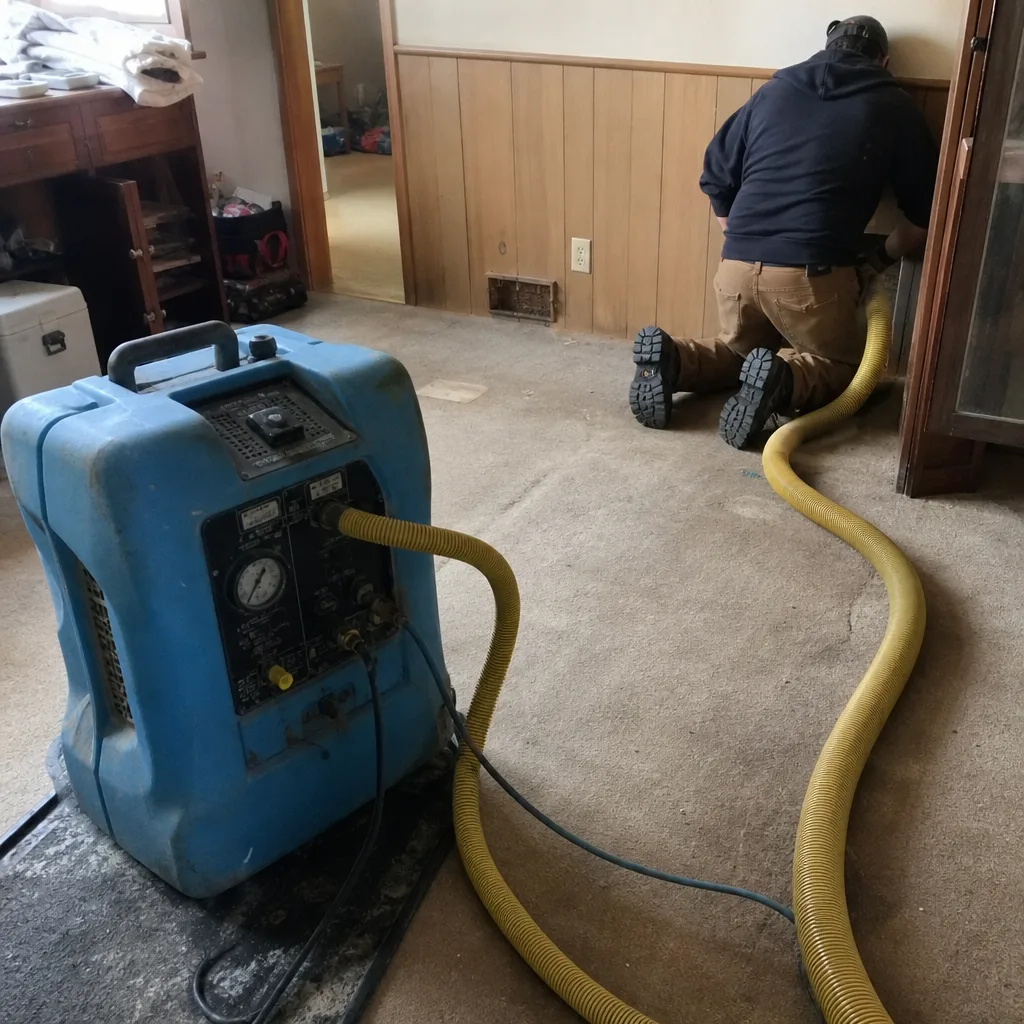 Before
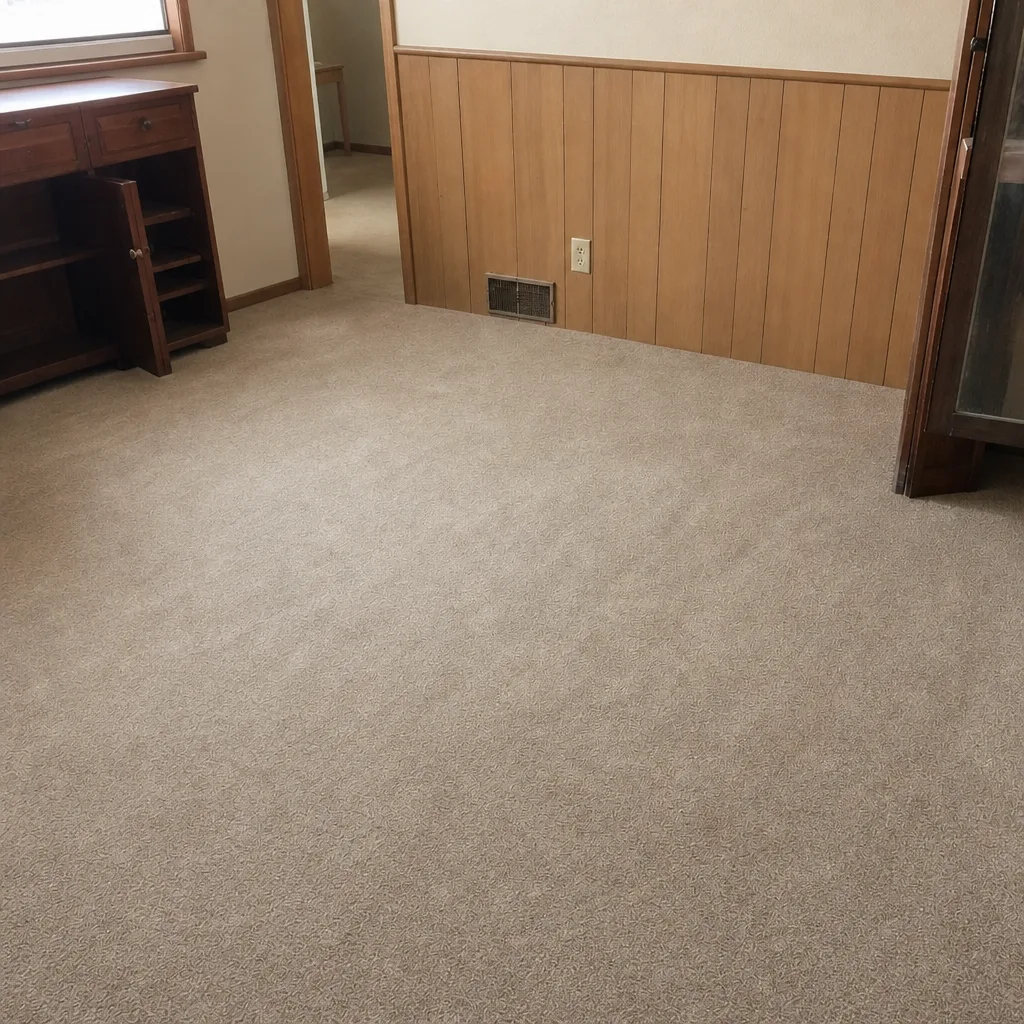 After
When to Call a Professional
Call a duct specialist if you’re seeing visible debris blowing from registers, noticing a persistent musty odor from the vents, or if it’s been years since your system had any attention at all. Call if a home inspector or HVAC contractor has flagged disconnected runs, crushed flex duct, or poorly sealed joints – those are repair issues, not cleaning issues, and they need a technician equipped to fix what’s found. Call before you buy or sell a home if there’s no record of the duct system ever having been serviced, especially in older Tacoma housing where modifications tend to accumulate unrecorded. And call if a dryer is taking longer and longer to dry a load – that’s a fire-safety signal worth acting on rather than ignoring.
Duct Cleaning Tacoma offers free estimates in Tacoma – call (888) 870-9539. We answer 24/7. Fast dispatch from 7am to 7pm, Sunday through Friday. Our technicians have up to 10 years of experience.
Frequently Asked Questions
No. Cleaning an existing duct system is maintenance, not construction, and Washington State does not require a permit for it. A permit question only comes up if the work involves modifying the system – cutting a new access panel, reconnecting a disconnected run, resealing joints, or adding a duct run. Call (888) 870-9539 for an exact quote – estimates are free.
Cleaning removes debris from inside the duct system without altering it. Duct repair changes the system itself – reconnection, resealing, replacement, resizing, or new openings – and that work falls under licensed contractor rules and can require a permit from Pierce County. If a technician is doing anything other than cleaning, ask whether the work is regulated and whether a permit applies.
They’re legal only if the product is EPA-registered for in-duct use and applied according to its label. A product registered for hard surfaces is not legal for application inside an HVAC system. Ask for the EPA registration number and verify it, and never accept a treatment as a substitute for actual cleaning.
Common flags include disconnected flex duct, poorly sealed access cuts, improper tape, sagging or uninsulated runs in unconditioned attic space, and duct sections that appear to have been added without documentation. None of those usually stop a sale, but they do come up and can affect negotiation. Keeping invoices, permits, and before-and-after photos is the best protection.
Ask for before-and-after photos of your own ducts and a written invoice that itemizes what was cleaned. Professional equipment matters here too – a Rotobrush agitation system combined with Nikro HEPA filtration removes and captures buildup in a way a basic shop vacuum cannot replicate. If a contractor won’t photograph the system or itemize the work, that’s a red flag.
Very low quotes are usually either a teaser price that applies only to a minimal scope, or a sign that the work will use consumer-grade equipment and a shortcut process. A real flat price per system, agreed in writing before work starts, is the standard to insist on. Call (888) 870-9539 for an exact quote – estimates are free.
The Bottom Line
Duct cleaning in Tacoma doesn’t require a permit, but duct work does – and the line between the two is easy to cross without any warning. Cutting access panels, reconnecting runs, sealing joints, and applying in-duct antimicrobial treatments all fall into regulated territory, and the paper trail around that work matters at resale, during an insurance claim, and whenever an inspector walks the attic. The practical steps are straightforward: know which category your job falls into, ask for the contractor registration number and a written estimate, request the EPA registration number for any treatment, and keep before-and-after documentation of your own system. That’s the whole protection plan. It works because the contractors worth hiring expect these questions and answer them without flinching.
If you’re ready to schedule an inspection or a cleaning, or you’re unsure whether your duct issue is cleaning or repair, call Duct Cleaning Tacoma at (888) 870-9539 for a free estimate. We work throughout Tacoma, we answer 24/7, and we dispatch from 7am to 7pm, Sunday through Friday.
Written by the team at Duct Cleaning Tacoma.