
Last updated November 15, 2026
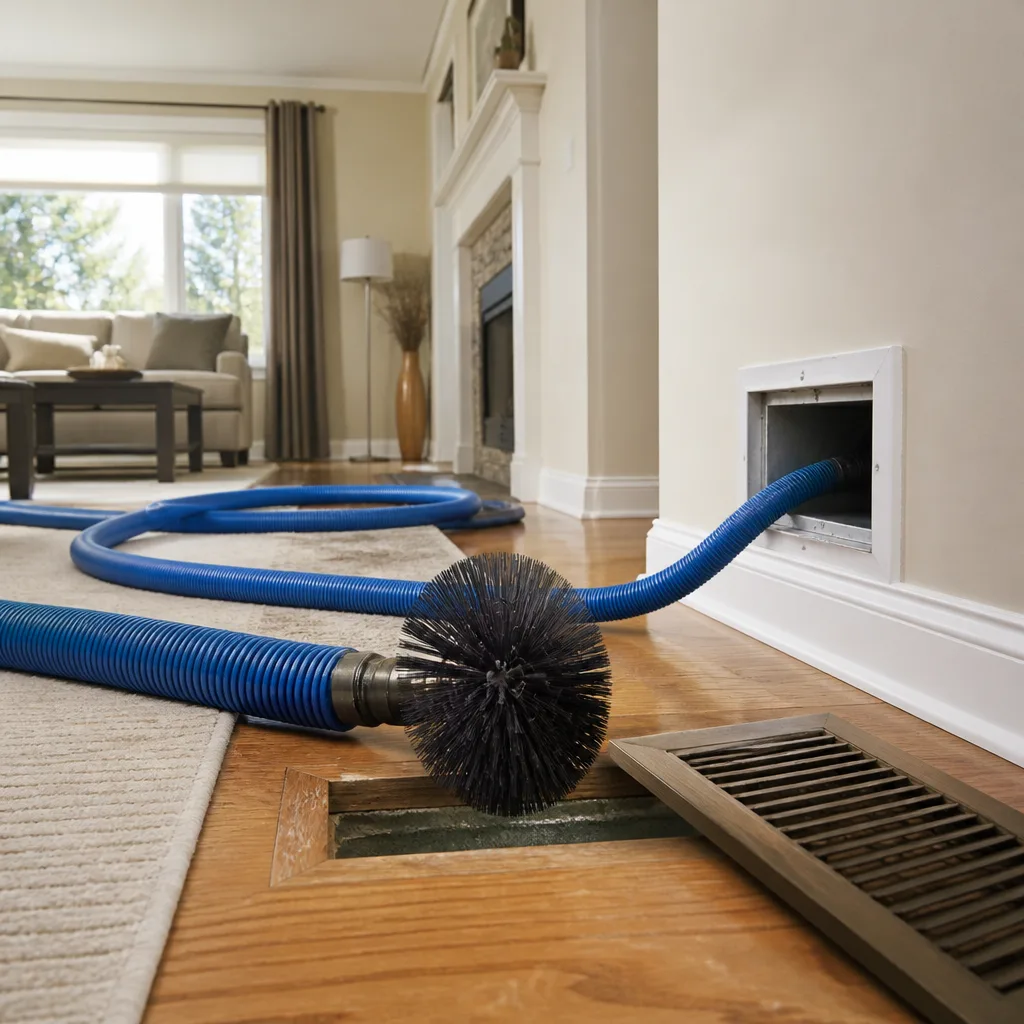 Whole-home duct cleaning
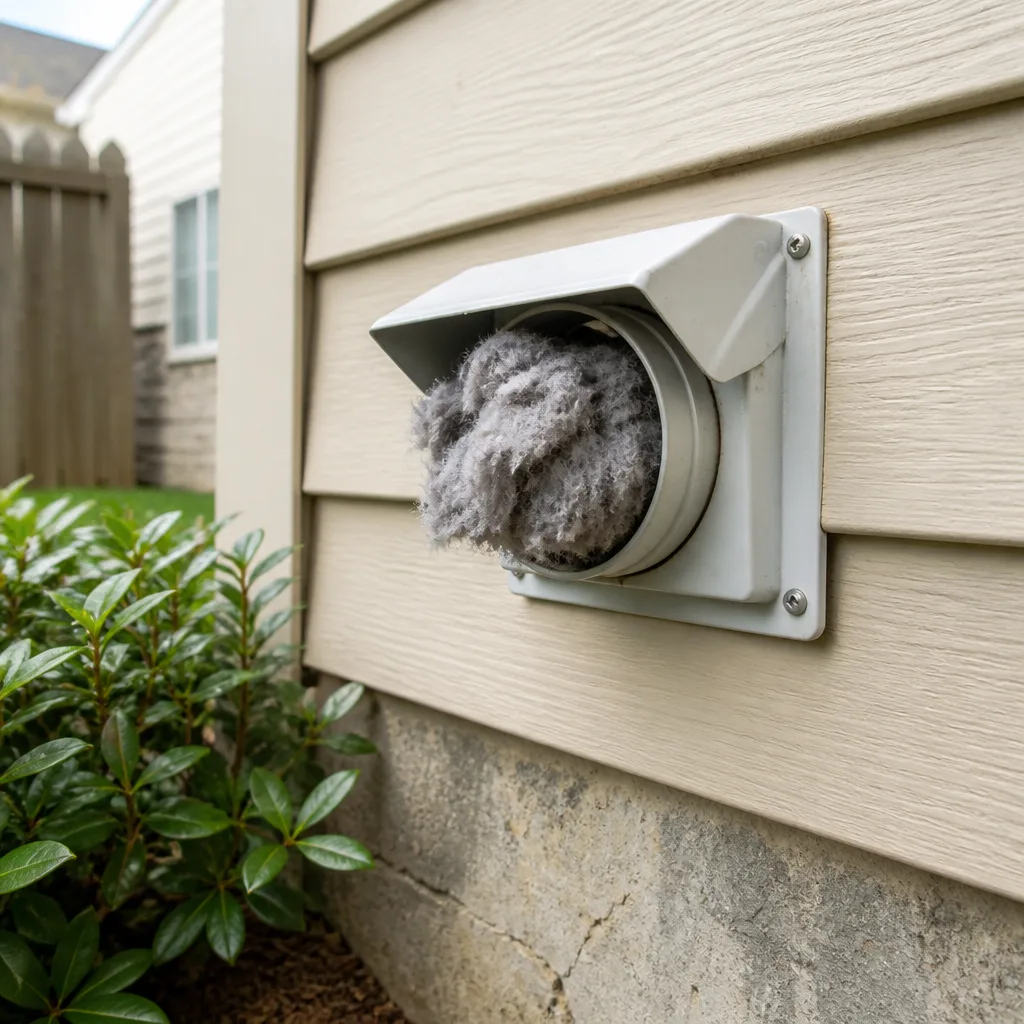 Dryer vent cleaning
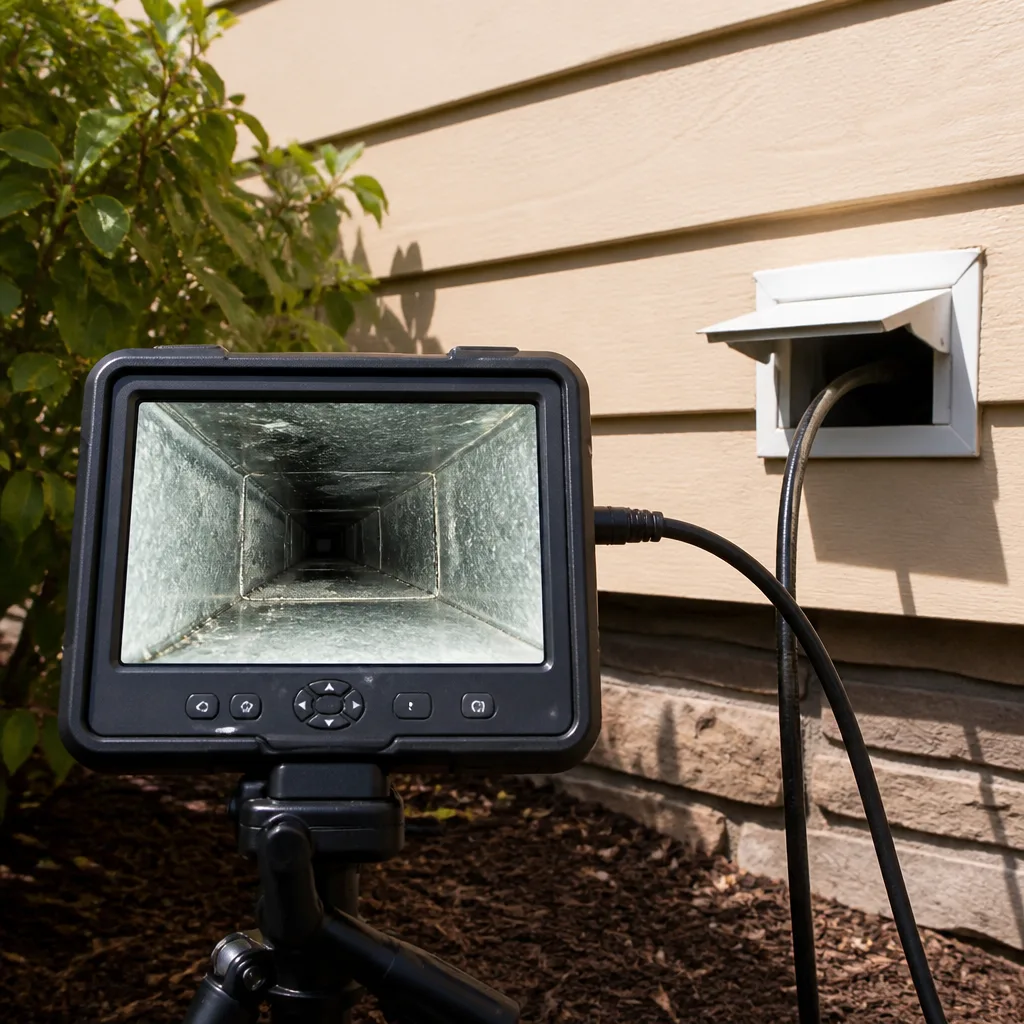 Camera inspection
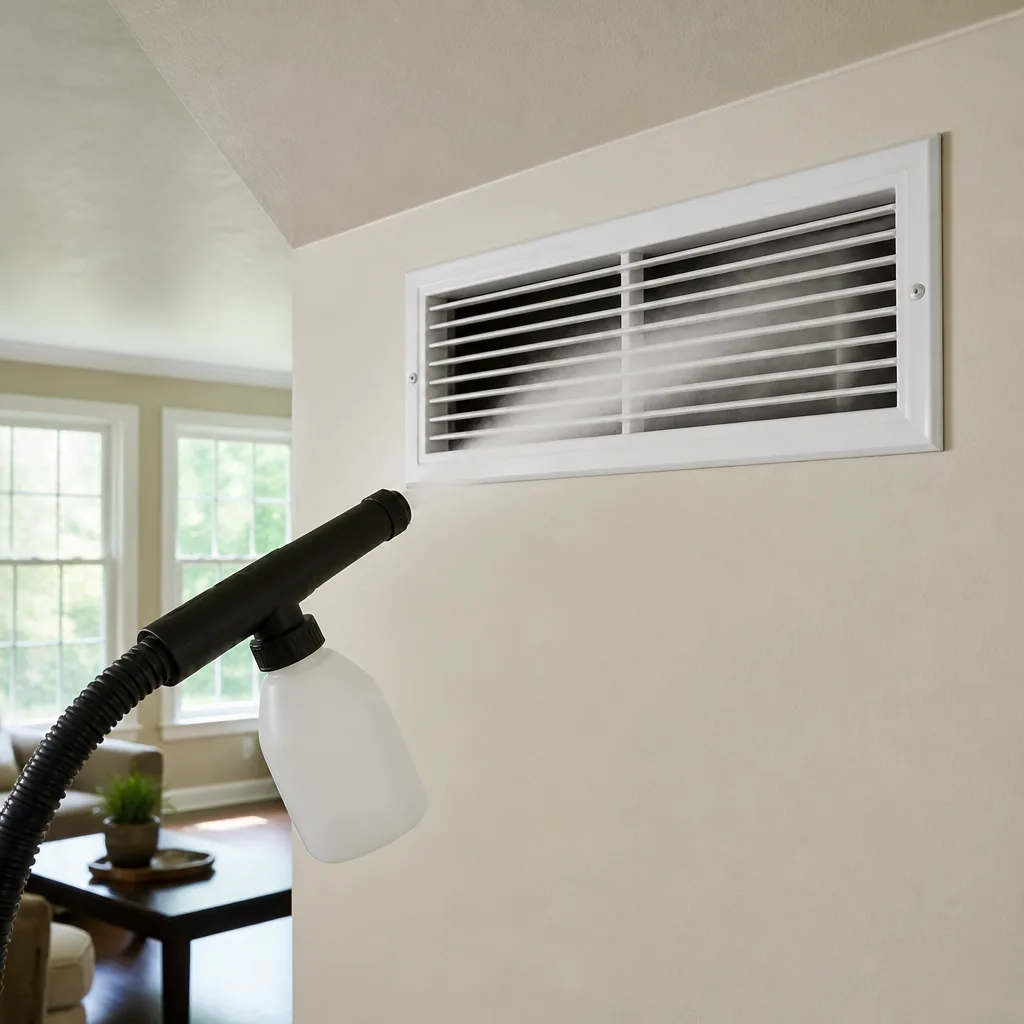 Sanitizing & deodorizing
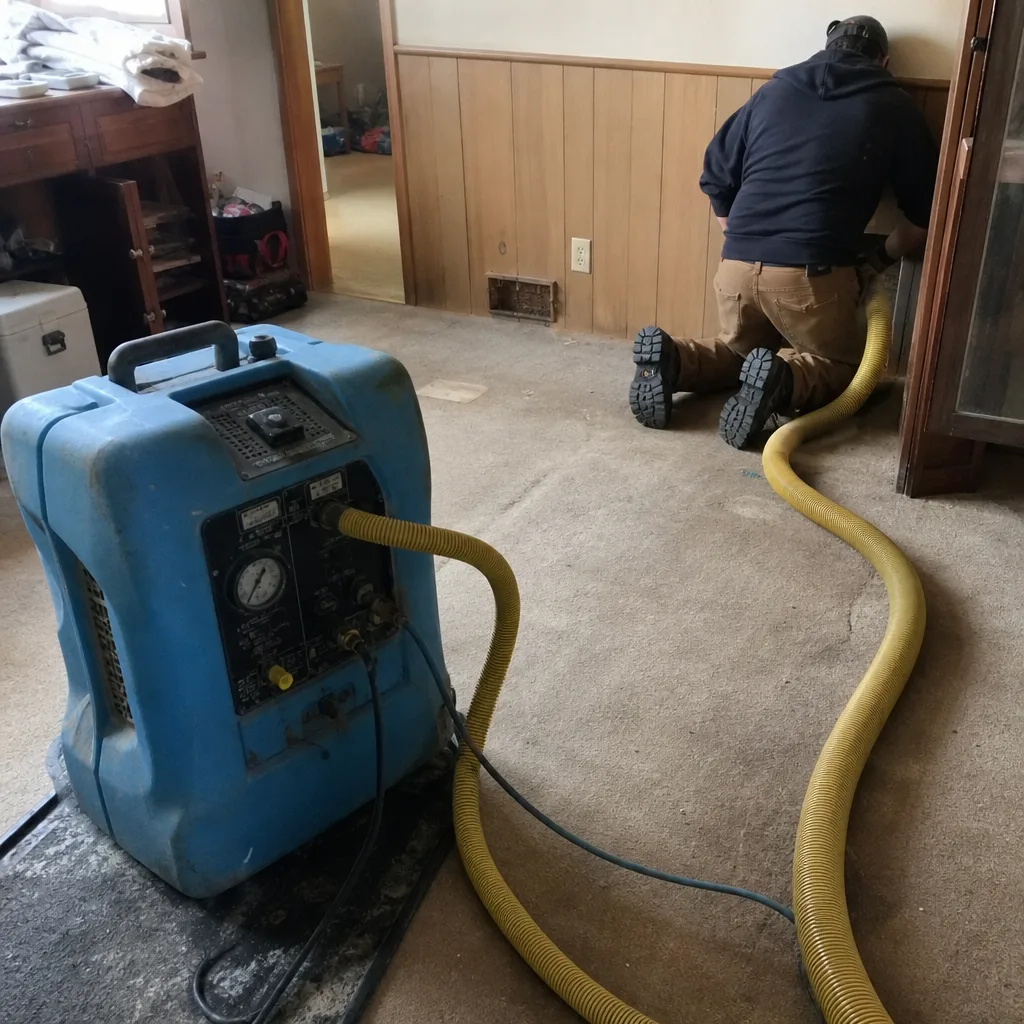
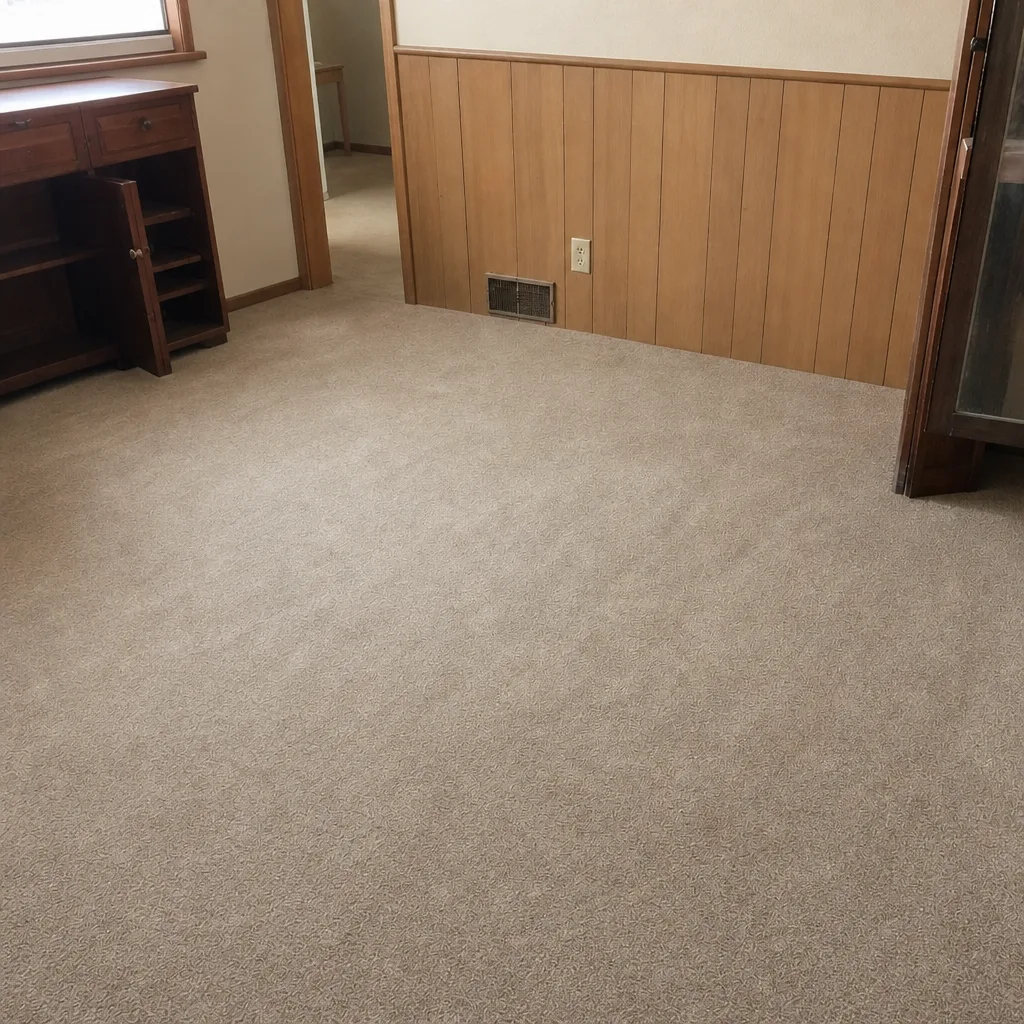
Whole-system duct and dryer vent check with before-and-after photos - you see exactly what came out of your vents
That "$99 whole-house special" is a bait ad - the real number appears once they are in your hallway, or the "clean" is a shop-vac at the register. We photograph the inside of your ducts before and after instead.
Air Duct Cleaning Troubleshooting in Tacoma: Common Problems and How to Fix Them
If your vents blow dust again two weeks after a cleaning, the dust was never the real problem. The problem is usually a breach somewhere in the duct system pulling particles out of unconditioned space and pushing them into your rooms. Cleaning removes what’s already there. It doesn’t close the gap that keeps refilling it. Most homeowners in Tacoma try to self-diagnose uneven airflow, musty smells, and returning dust as one vague “dirty ducts” issue, then book a cleaning that fixes nothing because the cause was mechanical all along. This guide maps the symptoms you’re seeing to the specific causes inside the system, so you can tell the difference between a cleaning problem, a system problem, and a repair problem before anyone shows up at your door.
Styles & brands we work with
- Whole-home duct cleaning
- Dryer vent cleaning
- Camera inspection
- Sanitizing & deodorizing
Quick Answer
Most duct problems in Tacoma come down to one of four causes: debris buildup restricting airflow, a breach or disconnected joint letting dust back in, condensation and moisture feeding musty odors, or a mechanical failure like collapsed flex duct or a failing blower. Generic cleaning only solves the first. Diagnosing which of the four you’re facing is what actually fixes the problem, and that diagnosis is why a specialist who also performs air duct cleaning and duct repair can solve in one visit what a clean-only operator can’t. If you can describe the symptom precisely, you’ve already narrowed it down.
Table of Contents
- Symptom-to-Cause Map: Reading What Your Ducts Are Telling You
- Why Some Rooms Never Get Warm (or Cool) Enough
- Musty Smells After Cleaning: What’s Actually Going On
- How Tacoma’s Wet Climate Breaks Duct Systems Differently
- Cleaning Failure vs. System Failure: How to Tell Them Apart
- When Troubleshooting Crosses Into Duct Repair
- Why Dust Comes Back Two Weeks After a Cleaning
- Dryer Vent Problems That Look Like Duct Problems
Symptom-to-Cause Map: Reading What Your Ducts Are Telling You
The useful thing about duct problems is that different failures produce different symptoms, and those symptoms are consistent enough to narrow the cause before anyone opens a panel. What follows is the mental map our technicians use on arrival. It’s not a diagnostic tool you should act on yourself, but it’s enough to tell you whether you’re likely dealing with debris, a breach, moisture, or a mechanical failure.
What each symptom usually points to:
- Dust returning within days or weeks: a breach in the return side or a disconnected joint pulling from attic or crawlspace air.
- Uneven room temperatures, one or two rooms always off: a blockage, a crushed or collapsed flex run, or a damper stuck closed, not necessarily dirt.
- Musty smell that gets worse when the system runs: moisture at the air handler, evaporator coil, or a condensate issue, often with mold growth outside the ducts themselves.
- Whistling or roaring at certain registers: pressure imbalance, undersized returns, or a partially blocked run.
- Visible debris blowing from supply registers: heavy buildup combined with an active breach downstream.
- Higher energy bills with no change in habits: restricted airflow forcing the blower to work against resistance.
Notice that only one of those six is really a “dirty ducts” problem. The rest are system problems that a cleaning pass won’t touch, and that’s the heart of why so many Tacoma homeowners feel like they paid for a cleaning that didn’t solve anything. The visit wasn’t wrong. The diagnosis was missing. If you can point to which symptom you’re seeing, you can skip straight to the likely cause and ask the right questions before booking.
One more thing worth stating plainly: airflow complaints in older Tacoma homes are frequently about duct design and condition, not dirt. A 1920s bungalow in the North End with a retrofit system added later often has flex runs that were never sized properly for the room. No amount of cleaning will fix that. Diagnosis first, then the correct fix.
Why Some Rooms Never Get Warm (or Cool) Enough
Uneven airflow is the single most misdiagnosed duct complaint we see, because homeowners reasonably assume restricted airflow means dirty ducts. Sometimes it does. More often it’s a mechanical cause hiding behind the same symptom. Before you call anyone, understanding the four common culprits will tell you what to ask about.
The four usual causes of uneven temperatures:
- Blockage from debris. Heavy accumulation in a branch run narrows the passage. This is the one case a proper cleaning genuinely solves, and it’s identifiable because the restriction appears gradually over months.
- Collapsed or crushed flex duct. Flexible ducting kinks, sags, or gets crushed by stored items or a poorly placed joist. A flattened section stops air completely. Common in crawlspaces and tight attics.
- Disconnected joint or separated seam. Conditioned air escapes into the attic or crawlspace before it ever reaches the register. This shows up as a room that’s always cold in winter, with dust settling on nearby surfaces.
- Blower or return-side issues. If the furnace blower is weak or the return is undersized, every room suffers. This is HVAC territory, but a duct specialist can often spot it during a system inspection.
The distinguishing test is consistency. A blockage tends to affect the furthest rooms on a run first. A collapsed flex run affects one specific room and leaves its neighbors fine. A return-side problem affects the whole house evenly. A disconnected joint often comes with dust settling near the affected register and a faint whistling sound at the gap.
Tacoma homes vary widely in duct condition by neighborhood. Craftsman-era houses near Sixth Avenue and in the Proctor district frequently have original metal trunk lines with later flex branch additions, and those additions are where crushed runs and pulled-apart joints concentrate. Newer construction out toward the South End tends to have better-sealed systems but can suffer from undersized returns when a room count was pushed. Walking a Tacoma home with these patterns in mind saves a lot of guesswork. If you’ve already tried adjusting dampers and replacing filters with no improvement, the cause is almost certainly in the ductwork itself, and a professional inspection is the next logical step.
Musty Smells After Cleaning: What’s Actually Going On
A musty smell that persists or worsens after a duct cleaning is one of the most frustrating outcomes for homeowners, and it points to a cause most cleaning-only operators can’t address. The mold is rarely inside the ducts. It’s at the air handler or the evaporator coil, and cleaning the ducts does nothing to remove it.
Here’s the sequence that produces this. Moisture collects in the air handler cabinet or on the evaporator coil, often from a slow condensate drain issue, an oversized system short-cycling so the coil never fully dries, or a return duct pulling humid air from a crawlspace. Mold and mildew establish on the coil fins or the cabinet lining. Every time the blower runs, it pushes air across that growth and the smell travels through the entire system. A homeowner smells musty air from the vents and books a duct cleaning, the ducts get cleaned, the smell returns within days because the source was never in the ducts. This is the most common mismatch between homeowner expectation and what cleaning can do.
What to check before assuming the ducts are the source:
- Look at the evaporator coil through the access panel. Visible buildup, biofilm, or a musty smell at the cabinet points to the coil.
- Check the condensate drain pan and line for standing water or clogs.
- Inspect the return duct path. If it runs through a damp crawlspace, it may be pulling humid air into the system.
- Run the fan alone (no heating or cooling) and smell at the supply registers. If the smell is strongest right at startup, the source is likely near the air handler.
Addressing this correctly means cleaning or treating the coil and cabinet, correcting the moisture source, and confirming the condensate drainage is working. Duct cleaning still matters, but it comes after the real source is handled. Honeywell and Aprilaire air quality components, including filters and humidity control, are worth discussing with a specialist once the moisture issue is resolved, because managing humidity is what keeps mold from returning. If you’re not sure whether the smell is duct-side or coil-side, a diagnostic visit answers that faster than trial-and-error cleaning.
How Tacoma’s Wet Climate Breaks Duct Systems Differently
Duct advice written for dry climates misses the failures we actually see in Tacoma, because the dominant problem here isn’t dust. It’s moisture. The Puget Sound region’s long wet season, cool temperatures, and high humidity create duct failure patterns that don’t appear in Phoenix or Denver guides, and homeowners comparing advice online end up looking for the wrong things.
Tacoma-specific duct failure patterns:
- Condensation on cold duct surfaces. In a conditioned home during a Tacoma fall or spring, warm humid outdoor air meeting cold flex duct in a crawlspace or attic creates condensation. Repeated wetting degrades the duct’s inner lining and the insulation jacket.
- Joint separation from thermal cycling. The wet season to dry season swing moves duct materials through expansion and contraction. taped joints and mechanical seams work loose over years. This is why breach problems are more common here than in stable climates.
- Rust on metal trunk lines. Galvanized trunk ducting in older Tacoma crawlspaces corrodes at seams when moisture is present. Rust scale flakes into the airstream and shows up as debris at the registers.
- Biological growth in the return path. Returns that draw from crawlspaces in Tacoma’s climate pull humid air through cooler ductwork, creating a condensation-friendly environment for mold growth.
- Pest entry through degraded flex jackets. Damp insulation is attractive to rodents and insects, and the resulting holes create both breaches and contamination.
What this means practically: in Tacoma, the question isn’t just “are the ducts dirty” but “are the ducts holding their integrity through a wet climate.” A thorough inspection looks at moisture, seam condition, and insulation integrity alongside debris. It also means cleaning needs to capture debris under negative pressure, not just loosen it. Our use of Abatement Technologies negative-air containment reflects that: dislodged debris is captured rather than recirculated into your rooms during the process, which matters more when the debris includes rust scale and degraded insulation.
Homeowners in Tacoma neighborhoods like Fircrest, University Place, and the West End, many with crawlspace-ducted systems and older homes, should expect a competent inspection to specifically examine the crawlspace runs for moisture damage and separation. Dry-climate troubleshooter lists won’t mention any of this. Ask the operator what they do about condensation and joint failures, and you’ll learn quickly whether they work in this climate or just copied a checklist from somewhere else.
Cleaning Failure vs. System Failure: How to Tell Them Apart
Two very different things produce the same “the ducts are still dirty” complaint: a cleaning that didn’t remove the debris (a cleaning failure), and a cleaning that removed the debris but the system is re-contaminating itself (a system failure). The distinction decides what to do next, and getting it wrong wastes money on repeat cleanings that never solve the underlying issue.
How to tell them apart:
- Timing of the symptom’s return. If dust is back within days, it’s a system failure pulling new material in. If it took a couple of weeks or months, it’s likely a cleaning that missed sections or used inadequate equipment.
- Location of the dust. Dust concentrated near one register points to a breach in that branch. Dust settling evenly across the whole house points to a return-side breach or a filtration issue.
- Whether anything was actually removed. A proper cleaning produces visible removed material. If you saw no before-and-after evidence of what came out of your ducts, you have no proof the work happened.
- Whether the return side was cleaned. Many quick cleanings only touch supply runs and skip returns entirely, leaving the primary dust reservoir untouched.
A cleaning failure often comes from equipment that loosens debris without capturing it, or equipment too weak to move the compacted material in the first place. Professional-grade agitation and HEPA-filtered collection, the kind built into Rotobrush and Nikro systems, is what separates a cleaning that removes the material from one that rearranges it. That’s not a marketing point. It’s the mechanical reason cleaning outcomes differ so widely.
A system failure means you have to fix the breach before further cleaning makes sense. Cleaning a compromised system just refills a bucket with a hole in it. If the dust return pattern looks like re-entry, the next step is inspection and repair of the breach, not another cleaning. A troubleshooting specialist who also performs duct repair will tell you directly which scenario you’re in, because honestly they have nothing to gain from selling you a cleaning that won’t work. Ask any operator you contact whether they’ll diagnose a system failure or just clean what’s there.
When Troubleshooting Crosses Into Duct Repair
Some duct problems are cleaning problems. Some are repair problems. The trick is recognizing when the second one applies, because a cleaning-only operator will either clean and leave the underlying fault in place or tell you there’s nothing more to do. Duct repair is a distinct service, and it’s the difference between solving the problem and repeating a cleaning.
Signs your issue is a repair problem, not a cleaning problem:
- You can see a gap, tear, or disconnected joint. In the attic, crawlspace, or basement, visible separation at a seam or a pulled-apart flex connection is a repair.
- The system has lost airflow gradually over years with no change in filter maintenance. This points to mechanical degradation, crushed runs, or a failing damper, all repair issues.
- Dust returns to a specific room faster than the rest of the house. A localized breach or a missing section of ducting is the cause.
- You can hear air escaping in the attic or crawlspace while the system runs. That’s conditioned air leaving through a gap. It’s a repair and an efficiency loss at the same time.
- Condensation or water staining on duct surfaces. The insulation and sealing need repair to stop the moisture cycle.
Common repairs include resealing and reconnecting separated joints, replacing crushed or torn flex runs, repairing metal trunk ducting, re-taping and mastic-sealing seams, and replacing damaged insulation jackets. The reason to work with an operator who does both cleaning and repair under one roof is diagnostic speed. A cleaning-only company often can’t inspect and fix the mechanical causes, so you end up calling a second tradesperson to re-inspect, and wiring up a follow-up visit nobody needed.
If you’re troubleshooting along with us, the practical filter is this: if the symptom persists after a verified cleaning with real evidence of removal, you’re in repair territory. Stop booking cleanings. Book an inspection that covers the system’s integrity. In Tacoma, with the wet-climate failure patterns above, a meaningful percentage of stubborn “dirty duct” complaints turn out to be repair issues, and getting there faster saves both money and time.
Why Dust Comes Back Two Weeks After a Cleaning
Dust returning quickly after a cleaning is almost always re-contamination through a breach or a return leak, not a damaged cleaning. The system is pulling air from unconditioned space, attic, crawlspace, garage, or a dirty return path, and pushing that debris into the conditioned rooms. Cleaning removed the original debris; the leak keeps delivering more.
Where the re-contamination usually comes from:
- Disconnected flex joints in the attic or crawlspace, often hidden above ceilings or under insulation.
- Torn flex duct jackets from rodent activity or physical interference (stored items, walkways, poor initial installation).
- Undersized or restricted return air paths drawing air from unintended places.
- Unsealed seams on metal trunk lines, especially in older Tacoma homes where the tape has dried and failed.
- Missing or improperly sealed duct boots at the register wall or floor penetrations.
This is why evidence matters. A cleaning with before-and-after photos of what came out of your own ducts gives you something to reference if the problem returns. You can look at the photos and confirm: the cleaning removed the debris, so the new dust is coming from somewhere. That starts the repair conversation immediately and honestly. Without that record, you’re stuck guessing whether the cleaning was inadequate or the system is re-contaminating. We photograph before and after specifically because it makes the next conversation factual instead of a debate.
If dust is back within two weeks, treat it as a system failure by default and get an inspection that specifically looks for breaches. Also worth ruling out: a filter that isn’t seated correctly, or a filter that’s too restrictive and bypassing. Those are homeowner-fixable. Anything involving duct joints, boots, or trunk seams is a professional repair job, and in this climate it’s the most common cause of the complaint. Call (888) 870-9539. We answer 24/7. Fast dispatch from 7am to 7pm, Sunday through Friday.
Dryer Vent Problems That Look Like Duct Problems
Some airflow complaints that homeowners assume are duct cleaning problems are actually dryer vent cleaning problems, and the distinction matters because the risk is different. A clogged dryer vent doesn’t just reduce drying efficiency. It removes a safety barrier, and blocked dryer vents are a leading cause of residential house fires. If your clothes take two cycles to dry, the dryer feels hot to the touch, or a lint smell lingers in the laundry area, treat it as a dryer vent issue, not a duct issue.
Dryer vents are a fundamentally different system from HVAC ducts. They’re shorter, they terminate outside the building, and they collect lint in a different pattern, usually accumulating at bends, at the transition from the dryer to the wall, and along the exterior run. Cleaning them involves specialized equipment that reaches the full length without pushing lint further in, and confirming the exhaust path is clear end-to-end. It’s a service worth knowing the difference between, because a homeowner who books an HVAC duct cleaning for a dryer vent problem pays for the wrong service.
Telling them apart is straightforward:
- Dryer vent problems: symptoms are localized to the laundry area and the dryer. Slow drying, hot dryer, lint smell, visible lint accumulation behind or under the dryer.
- HVAC duct problems: symptoms are distributed across the home. Uneven temperatures, dust at registers, airflow issues in living spaces.
Tacoma homes with long dryer vent runs, common in homes with laundry rooms that aren’t on an exterior wall, are more prone to lint accumulation at bends and at the roof or wall termination. If you haven’t had the dryer vent cleaned in a while, or you’re not sure when it was last done, that’s worth addressing separately from any HVAC duct cleaning you’re considering. It’s a straightforward safety service, and it’s a genuine concern rather than an upsell. The two services often get bundled in one visit in Tacoma simply because the same crew works both systems, but they’re distinct jobs with distinct outcomes. If you’re not sure which one you need, the symptom location is the fastest way to tell.
Common Mistakes to Avoid
Troubleshooting goes sideways most often through a handful of repeatable errors. These are the ones our technicians see most in Tacoma homes.
- Booking a cleaning to solve a symptom without diagnosing it. Uneven airflow, musty smells, and returning dust have different causes, and only some are solved by cleaning. Diagnose first, then book the right service.
- Accepting a price without a clear scope. A per-vent quote tells you nothing about whether returns will be cleaned, whether containment will be used, or whether you’ll see what came out of your ducts. Get scope and evidence in writing.
- Choosing the cheapest quote without checking equipment. A shop-vac and a wand isn’t the same operation as professional-grade agitation and HEPA-filtered collection. The equipment is the job.
- Ignoring a musty smell that returns after cleaning. That’s a moisture issue at the coil or air handler, not a duct issue. Cleaning the ducts won’t fix it, and the moisture will keep feeding the problem.
- Skipping the return side. Returns collect more dust than supply runs and are often skipped in quick cleanings. If your quote doesn’t mention returns, ask.
- Cleaning without fixing an obvious breach. In Tacoma’s wet climate, disconnected joints and torn flex jackets are the main cause of dust returning fast. Cleaning a breached system just refills it.
- Assuming a dryer vent problem is a duct problem. Slow drying and hot dryer symptoms are dryer vent issues and carry a fire-safety dimension. Wrong service, wrong fix.
When to Call a Professional
Call a professional when the symptom involves a mechanical cause rather than surface buildup. That includes dust returning within two weeks of a cleaning, a musty smell that persists or worsens after cleaning, visible gaps or disconnected joints you can see in the attic or crawlspace, a room that’s consistently colder or warmer than the rest of the house after damper adjustment, or airflow that’s degraded over months with regular filter changes. These are repair-signal problems, and a trained eye finds the cause faster than guesswork. Disconnected flex duct, torn insulation, and trunk-line seams are repair jobs. If you’ve never had the system inspected and your home predates the 1980s, an inspection is worth booking regardless of symptoms. We also recommend professional service for anything involving the air handler, coil, or electrical components. Those carry real safety risk and shouldn’t be opened up by a homeowner. Our technicians have up to 10 years of experience with duct systems specifically, and Duct Cleaning Tacoma offers free estimates in Tacoma. Call (888) 870-9539. We answer 24/7. Fast dispatch from 7am to 7pm, Sunday through Friday.
Frequently Asked Questions
We price per system, not per vent, and the written estimate sets the final price before any work starts. Whole-system pricing depends on the number of runs, whether returns are included, and the level of debris. Instead of a teaser per-vent rate that turns into a much larger invoice once a technician is on site, we quote the complete job upfront and photograph before and after so you can verify what was removed. Call (888) 870-9539 for an exact quote. Estimates are free.
Because the debris wasn’t from inside the ducts, it was re-entering through a breach, usually a disconnected flex joint or a torn jacket in the attic or crawlspace. Cleaning removed the original material; the leak kept refilling the system. The fix is inspection and repair of the breach, not another cleaning pass. Fast dispatch from 7am to 7pm, Sunday through Friday. Call (888) 870-9539 for an inspection.
You ask for before-and-after photos of your own ducts and the material removed. A proper cleaning produces visible evidence. A company that can’t or won’t show you what came out of your system shouldn’t get your business. Professional-grade equipment also leaves a different footprint: agitation and HEPA-filtered collection remove the material, not just loosen it. Call (888) 870-9539 and we’ll show you what came out of your system.
Cheap quotes typically mean a lower-scope job: supply runs only, no returns, consumer-grade equipment, and no containment, so debris gets recirculated rather than captured. The work is faster and cheaper to provide, and often it solves nothing, which is why homeowners end up paying twice. Per-system pricing with scope and evidence built in is the honest comparison. Call (888) 870-9539 for a comparison quote.
Usually not. Musty odors that return after cleaning point to moisture at the evaporator coil or the air handler cabinet, where mold grows, not to contamination inside the ducts. The fix is cleaning or treating the coil, resolving the moisture source, and confirming the condensate drain works. Duct cleaning is still useful but comes after the source is addressed. Call (888) 870-9539 for a diagnostic visit.
It depends on the system, the return path, whether pets live in the home, and whether the ducts are intact. There’s no fixed interval that fits every Tacoma home, and anyone quoting a blanket annual schedule is guessing. Inspect first, then clean when the evidence supports it, not on a calendar. If you’re unsure where you stand, book an inspection. Call (888) 870-9539. Estimates are free.
The Bottom Line
Most duct problems in Tacoma aren’t about dirt. They’re about what the symptoms say about the system’s integrity. Uneven airflow often means a collapsed run or stuck damper, not buildup. Musty smells usually mean moisture at the coil, not contamination in the ducts. Dust returning within weeks is a breach pulling new material in. Reading the symptom correctly is the whole job, and that’s why a specialist who does both cleaning and repair can solve in one visit what a cleaning-only operator can’t. Our technicians have up to 10 years of experience, and we use Rotobrush and Nikro systems with Abatement Technologies containment so the debris is captured, not recirculated. If the problems you’re seeing sound like any of the ones above, call (888) 870-9539. We answer 24/7. Fast dispatch from 7am to 7pm, Sunday through Friday, and we’re closed Saturday. Duct Cleaning Tacoma offers free estimates in Tacoma and the surrounding area, and we fix what we find.
Written by the team at Duct Cleaning Tacoma.
See the difference
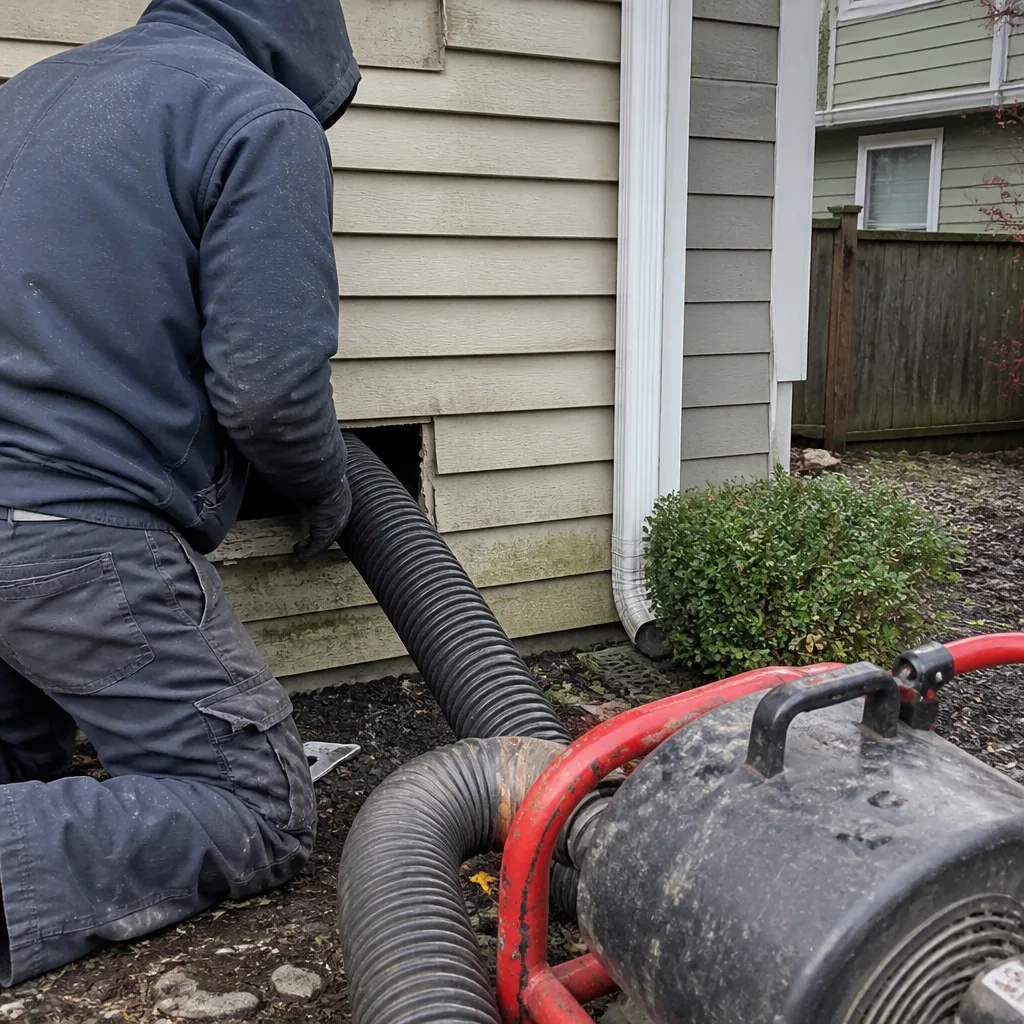 Before
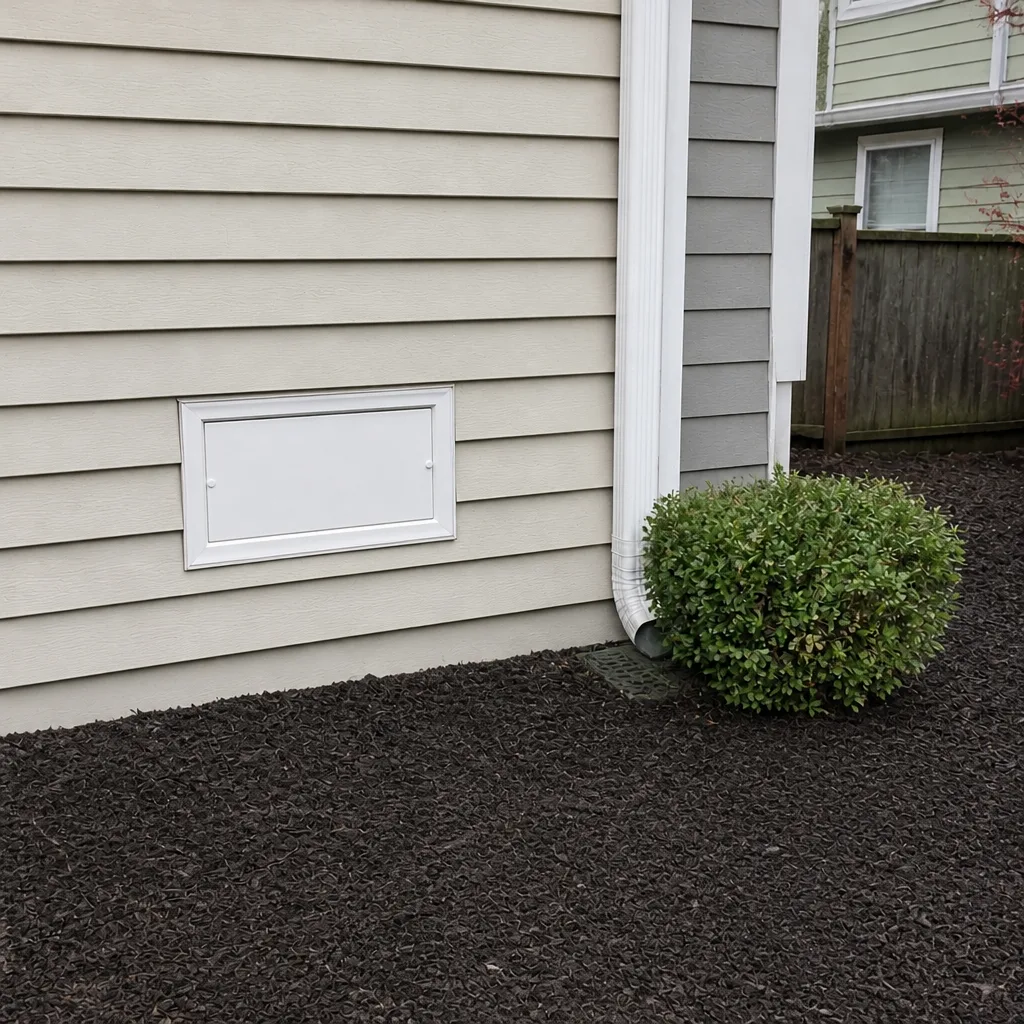 After
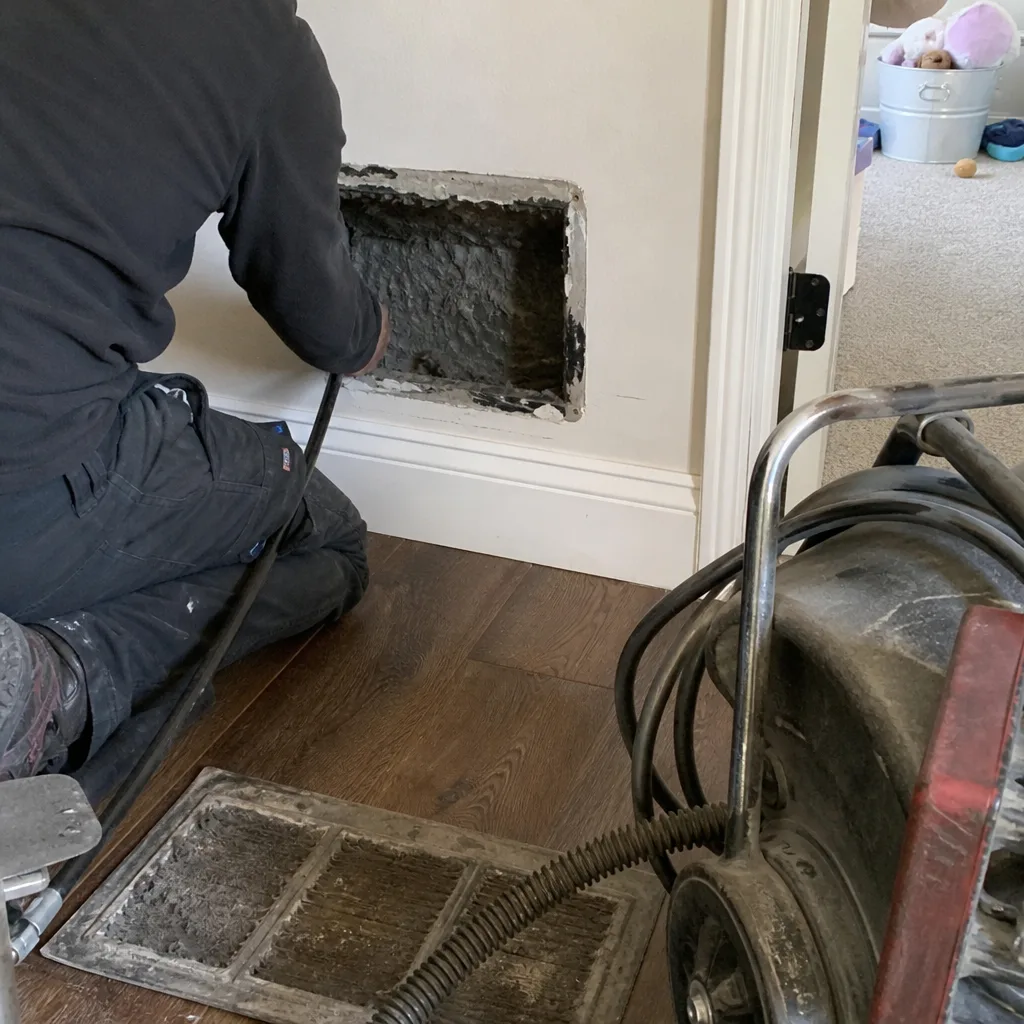 Before
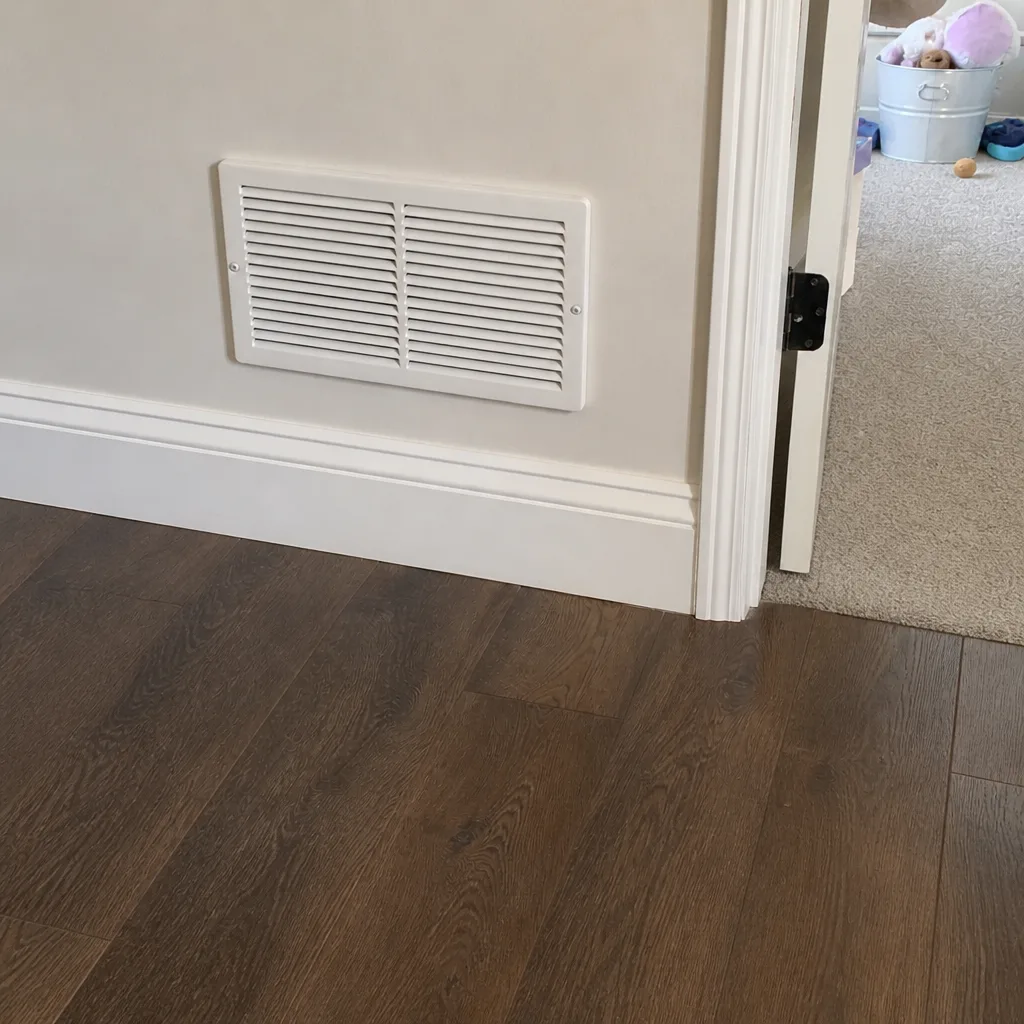 After
 Before
 After