
Last updated November 15, 2026
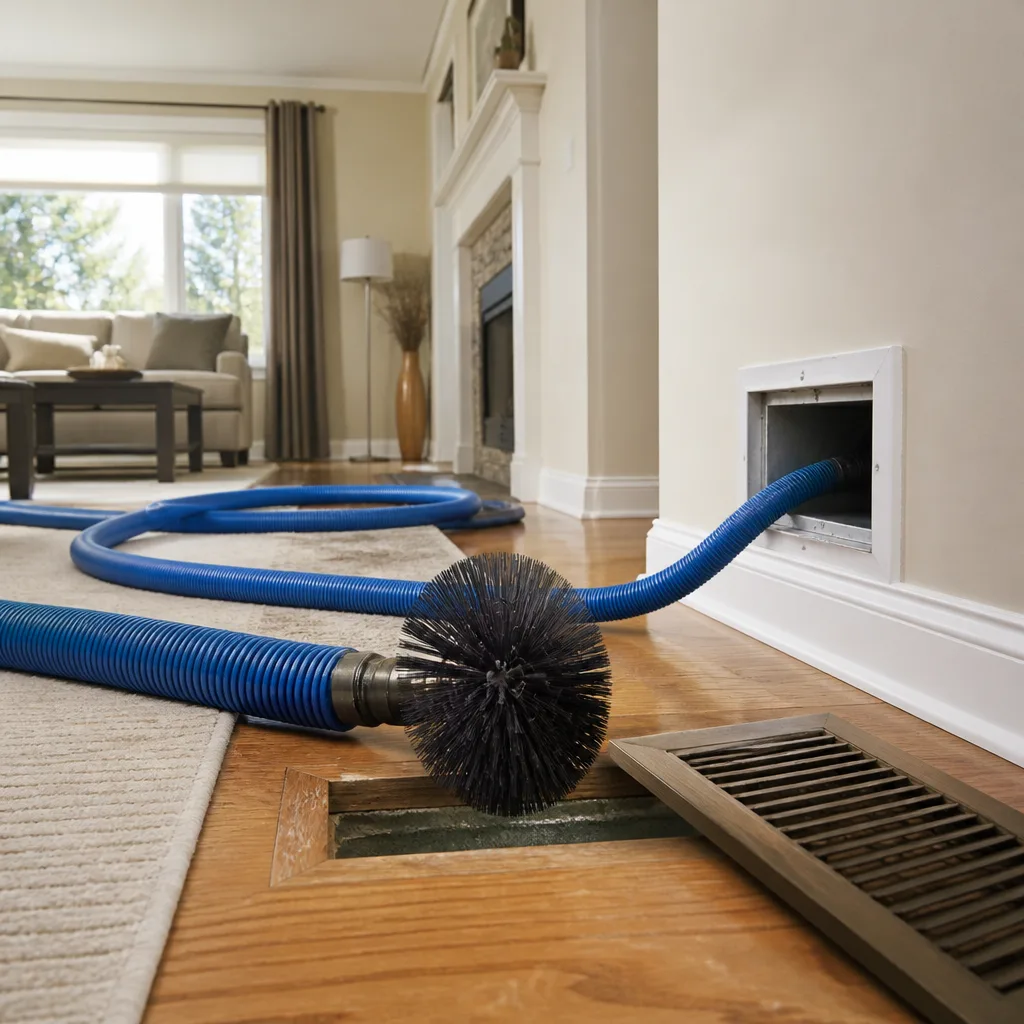 Whole-home duct cleaning
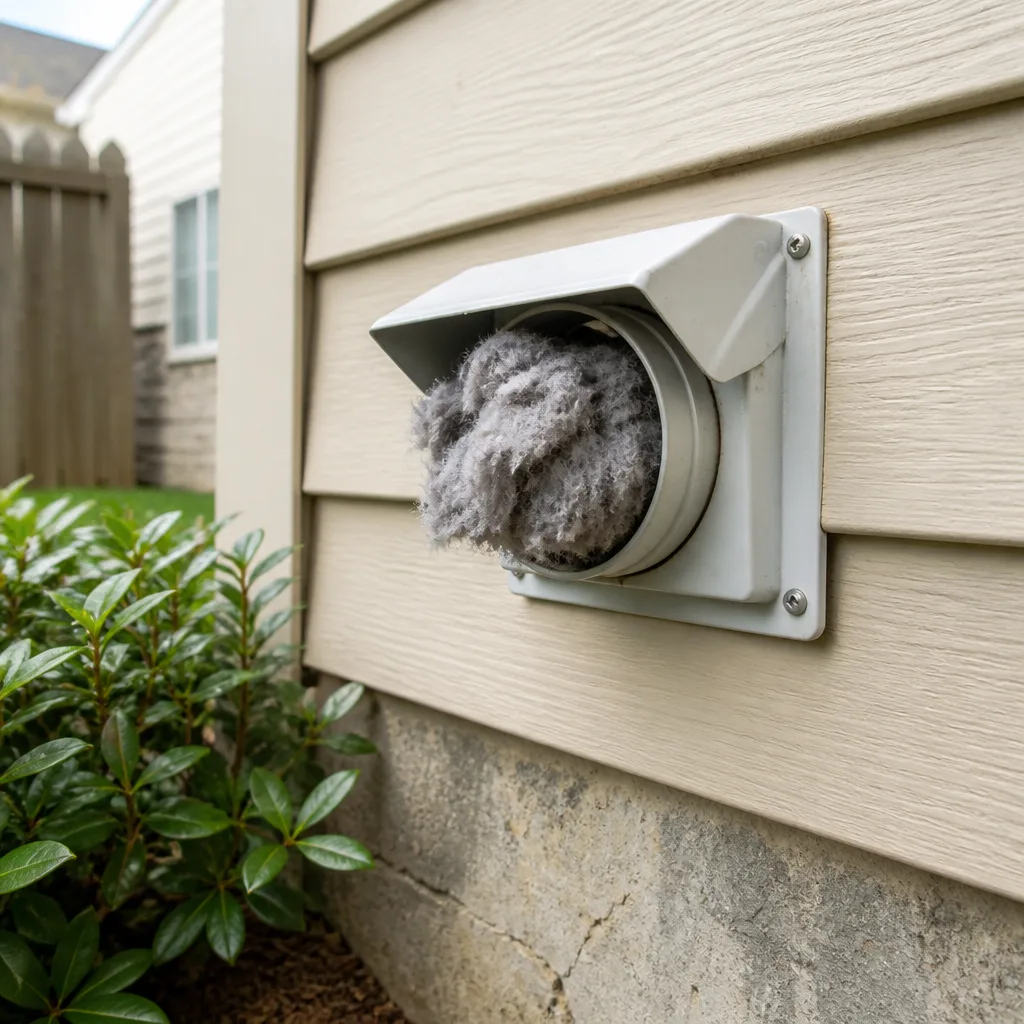 Dryer vent cleaning
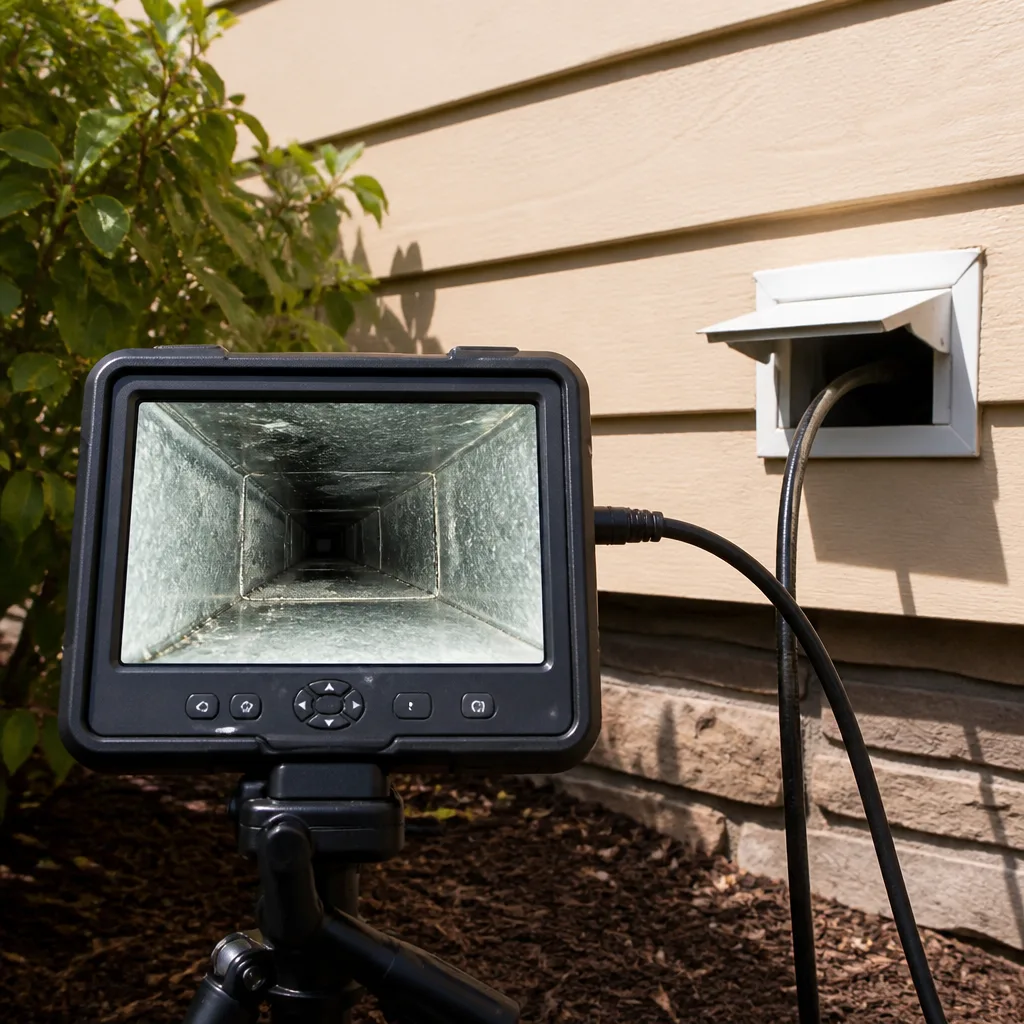 Camera inspection
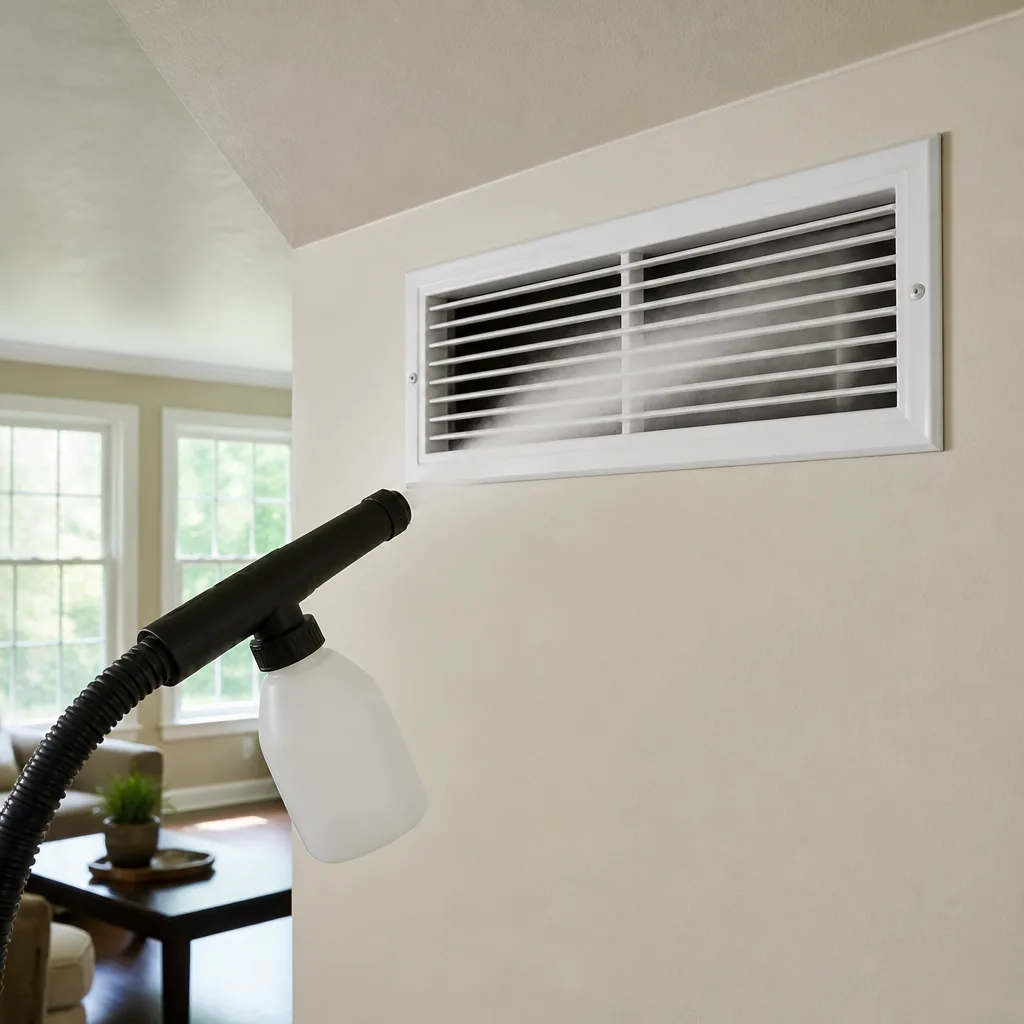 Sanitizing & deodorizing
Whole-system duct and dryer vent check with before-and-after photos - you see exactly what came out of your vents
That "$99 whole-house special" is a bait ad - the real number appears once they are in your hallway, or the "clean" is a shop-vac at the register. We photograph the inside of your ducts before and after instead.
Choosing the Right Air Duct Cleaning Brand: A Buyer’s Guide for Tacoma
Every duct cleaning company in Tacoma has a logo, a website, and a promise. Very few will tell you unprompted what vacuum unit they run, how much airflow it moves, or whether their agitation system works by brush or by air. That silence is the most useful thing you’ll encounter while shopping. The questions a contractor answers easily, and the ones they dodge, tell you more about capability than any testimonial. This guide is built around a simple idea: the brand that actually matters in duct cleaning isn’t the name on the van, it’s the machinery doing the work. We’ll translate equipment into plain language, show you how to ask about it, and explain why hardware alone doesn’t finish the job.
Quick Answer
The right air duct cleaning brand for your Tacoma home is the one that uses professional source-removal equipment (Rotobrush or Nikro-class machines), captures dislodged debris under negative pressure with HEPA filtration rather than blowing it back into your rooms, and can explain its process in equipment terms instead of adjectives. Ask what vacuum, what agitation tool, and what containment they use. A specialist answers in specifics. A generalist guesses, or changes the subject.
Styles & brands we work with
- Whole-home duct cleaning
- Dryer vent cleaning
- Camera inspection
- Sanitizing & deodorizing
Table of Contents
- Why the Equipment Is the Brand
- What Rotobrush Does Mechanically
- Nikro, Negative Pressure, and What “Source Removal” Actually Means
- Abatement Technologies and Containment When Mold Is Involved
- How to Interview a Tacoma Contractor About Equipment
- Why Equipment Alone Isn’t the Whole Picture
- What Tacoma Homes Do to Their Own Ducts
- Common Mistakes to Avoid
Why the Equipment Is the Brand
Duct cleaning is one of the few home services where the result is almost entirely determined by the machine and the person running it. A painter’s skill shows on the wall. A duct cleaner’s work happens behind sheet metal, out of sight, which is exactly why the equipment list is worth more than the sales pitch. When you hire a brand, you’re really hiring whatever vacuum and agitation tools that brand owns.
There are broadly three equipment tiers in this trade, and they produce three different outcomes:
- Consumer-grade vacuums and shop vacs. These remove loose surface dust near the register. They don’t move enough air volume to pull debris from the full run of ductwork, and they have no containment system worth the name.
- Truck-mounted or portable units without proper containment. More power, but if the collection is inadequate, dislodged debris can be pushed into living spaces or settle into other parts of the system.
- Professional source-removal systems with HEPA filtration. This is the equipment tier used by commercial and industrial contractors. It combines mechanical agitation with strong negative pressure and captures what comes loose rather than recirculating it.
Most duct cleaning offers you see advertised around Tacoma fall into the first two tiers. That’s not a moral failing, it’s just what the price point buys. The honest question to ask any company isn’t “are you good” but “what’s your machine, and what does it capture?” If you want a baseline on how the cleaning itself should work before you start comparing brands, our air duct cleaning page walks through the process step by step.
What Rotobrush Does Mechanically
Rotobrush is the name most associated with mechanical duct cleaning, and the reason is the design: it combines a rotating brush with a vacuum in a single tool. The brush agitates the duct surface while the vacuum pulls material away at the same moment. That simultaneity sounds like a minor detail. It isn’t.
Consider how ductwork is actually built. A lot of homes, Tacoma included, have runs lined with duct board, a rigid fibrous material with a foil or coated face. Scrub that surface with a separate brush and then vacuum afterward, and you’ve loosened material that has time to settle back before the vacuum reaches it. On older or somewhat degraded duct board, aggressive separate-brush agitation can also fray the lining. A simultaneous brush-and-vacuum tool is gentler on the surface and captures what it lifts while it’s still airborne.
Here’s how the mechanical sequence works in a properly run job:
- The technician opens access points at the plenum and along the main trunk, then photographs the interior before touching anything.
- The Rotobrush hose is fed through each run while the rotating brush contacts the duct walls and the vacuum collects dislodged debris.
- Contact with the register boots and branch connections is checked and cleaned separately, since those fittings collect the most.
- The blower compartment and coil area are inspected and, where accessible, cleaned.
- The technician photographs each run again and shows you the before-and-after while the containment is still set up.
The “captured, not recirculated” principle matters more than any brand name. Rotobrush is the industry standard for mechanical agitation, but its value depends entirely on whether the vacuum end of the tool is running properly and the collection container is sealed. Ask about that. A company that owns good equipment but runs it carelessly is no better than one that owns cheap equipment.
Nikro, Negative Pressure, and What “Source Removal” Actually Means
The term “source removal” gets used loosely. In the cleaning trade it means something specific: contaminants are removed from the source and contained, not merely disturbed. The alternative standard, contact vacuuming, cleans only what the tool can touch, and the material it dislodges has to go somewhere. In an enclosed duct system, “somewhere” is often back into the rooms you were trying to protect.
Nikro’s HEPA-filtered collection units are built for source removal. A HEPA filter traps fine particles that would otherwise pass through a standard filter and out into the air. Combined with a sealed collection container, the whole system works like this:
- The vacuum creates negative pressure inside the duct network.
- The agitation tool loosens material from the duct walls.
- The loosened material is drawn toward the collection unit rather than into the home.
- The HEPA filter captures fine particles at the exhaust end, so what leaves the machine is cleaner than what entered it.
If a Tacoma contractor can’t tell you whether their vacuum is HEPA-filtered, that’s a signal. HEPA filtration is the baseline for any cleaning that claims to protect indoor air quality, and it’s the minimum you should expect from a company advertising duct cleaning around Tacoma. Our duct cleaning service is built around that standard, with Nikro-class collection units running the whole time.
Abatement Technologies and Containment When Mold Is Involved
Duct cleaning becomes remediation the moment mold is part of the picture. It’s a different category of job, and the equipment list changes accordingly. Ordinary cleaning doesn’t need heavy containment. Mold-involved work does, because disturbed spores travel, and once they’re airborne in a home, they land wherever the air goes.
This is where Abatement Technologies equipment earns its place. Negative-air machines pull the working area into lower pressure than surrounding spaces, so air flows toward the machine rather than out of the work zone. HEPA containment captures what the negative-air machine pulls in. When a duct system is the affected area, the setup means the technician is cleaning inside a contained pressure zone, and the room around it stays clean.
A few practical notes for Tacoma homeowners who suspect mold:
- Confirm whether the company’s containment is HEPA-rated. Anything less isn’t containment in a meaningful sense.
- Ask who does the mold assessment. Duct cleaning companies clean; they don’t diagnose mold problems in the broader building envelope. If a company tells you the whole house has mold based on one look in a register, slow down.
- Ask what changes about the job if mold is found during cleaning. The answer should involve containment being set up before work continues, not afterward.
The climate here matters. Tacoma’s damp stretches and cool, wet winters keep indoor humidity elevated for months. That’s a general reason to keep an eye on the system, not a diagnosis. If you notice musty odors from registers or see visible growth near a duct opening, treat it as a reason to get an inspection, not as proof you need a full remediation.
How to Interview a Tacoma Contractor About Equipment
The interview is short. The trick is asking in a way that doesn’t telegraph the answer you want. Here’s a sequence that works, and what to listen for:
- “What vacuum and agitation equipment do you use?” A specialist says “Rotobrush” or “Nikro” and can explain what each does. A generalist says “the best in the business” or names a brand that doesn’t make duct cleaning equipment.
- “Is your collection HEPA-filtered, and can I see the unit when you arrive?” A company that owns real containment is happy to show you. A company that runs a truck-mounted unit without HEPA is evasive, or claims HEPA when they mean a high-efficiency filter that isn’t actually HEPA-rated.
- “How do you handle duct board?” Specialists know the difference between brush-simultaneous-vacuum and separate agitation, and they know duct board is delicate. Generalists will look confused.
- “Will you photograph before and after?” This is the question that lets you verify the work happened. A legitimate operator takes photos of the interior of each run, and shows them to you before the containment comes down. A company that won’t is asking you to trust them on nothing but the invoice.
- “What happens if you find something structural?” This is where the narrow-focus specialists separate. A cleaning-only company will tell you to call someone else. A company that also does duct repair can fix what it finds before resealing, instead of leaving it and moving on.
Evasive answers in this trade don’t usually mean malice. Most of the time it’s a generalist HVAC crew that does duct cleaning as a side offering on a vacuum the shop already owned. But for a buyer in Tacoma, that distinction matters. You’re paying specialist money for a specialist job, and you should know which you’re getting before anyone opens a register.
Why Equipment Alone Isn’t the Whole Picture
A Rotobrush sitting in a van doesn’t clean anything. What separates a good job from a shoddy one is the three things around the equipment: technician training, access strategy, and verification.
Training here means the technician understands duct anatomy. Different homes have different layouts: a bungalow off Sixth Avenue has a different duct configuration from a newer build out toward the Proctor district. A good technician maps the system before starting, knows where to cut access openings, and knows which runs need extra attention based on how the house is laid out. Our technicians have up to 10 years of experience, and that experience shows up in how they read a system before they touch it.
Access strategy is the unglamorous part. To clean a run properly, you have to get into it, which means cutting access points along the trunk and at the plenum, then resealing them cleanly when the job is done. A crew that skips access points and works only from the registers is going to miss most of the ductwork by volume, no matter what machine they brought.
Verification is where the buyer gets their proof. The before-and-after photos should be a standard part of the service, not a favor. Combined with HEPA containment and the right equipment, they turn the process into something you can actually see. If your interest is in the drying side of the system as well, our dryer vent cleaning service uses the same verification approach, and the fire-safety angle there is a genuinely separate reason to book.
What Tacoma Homes Do to Their Own Ducts
Tacoma’s climate does specific things to a duct system. Cool wet winters mean the heating system runs more months than in a warmer climate, so more air moves through the ducts over a year. Older housing stock, which is common in neighborhoods like Hilltop and the North End, often has duct layouts that predate modern filtration and were never designed for airtight indoor air. And the area’s damp stretches can leave a musty smell in a system even when the ducts are structurally fine, because the register boots stay cool and collect condensation cycles.
None of that alone justifies a cleaning. But put it together with the ordinary dust load of a family, a pet, or a home renovation, and you have a system that accumulates more than most owners expect. A general rule of thumb:
- If you’ve never had the ducts cleaned and you’ve lived in the home for years, an inspection is reasonable.
- If you’ve just finished a remodel, sheetrock dust goes everywhere, and the ductwork is not an exception.
- If someone in the household has persistent respiratory irritation that gets worse inside the house, that’s a reason to investigate, though it’s a conversation to have with a doctor first.
- If you see visible debris puffing from a register when the heat kicks on, the system is loaded.
Homeowners and property managers around Tacoma usually ask about frequency. Honest answer: most homes don’t need annual cleaning. Every few years, or after a big source event, is closer to right. Anyone selling you a strict annual schedule without asking about your home is selling a calendar, not a service.
Common Mistakes to Avoid
- Choosing on price alone. A quote that’s dramatically lower than the field is usually lower because the equipment is cheaper and the access work is skipped. Look at the machine before you look at the invoice.
- Accepting “we clean from the registers.” A real cleaning opens access along the trunk and plenum. Working only from registers leaves most of the system untouched, and any brand claiming otherwise doesn’t understand duct anatomy.
- Believing a “HEPA” claim without asking to see the unit. HEPA is a rating, not a marketing word. Ask to see the filter housing when the technician arrives, or ask for the model number of the unit.
- Skipping the before-and-after photos. If the company won’t photograph the interior of what they cleaned, you have no way to know the work happened. Make the photos a condition of the job before booking.
- Letting an HVAC generalist handle mold-involved work. Mold remediation inside a duct system needs containment. A crew without Abatement-class negative-air equipment isn’t set up for it, no matter how experienced they are with furnaces.
- Forgetting the dryer vent. Lint accumulation in a dryer vent is a real fire risk and it’s a separate service from air duct cleaning. Many Tacoma homeowners don’t think to book both at once, and end up paying for a second visit months later.
- Hiring a cleaning-only company when the duct system needs repair. If the technician finds a disconnected run or crushed flex duct, cleaning alone leaves the system broken. Ask up front whether the company repairs what it finds.
See the difference
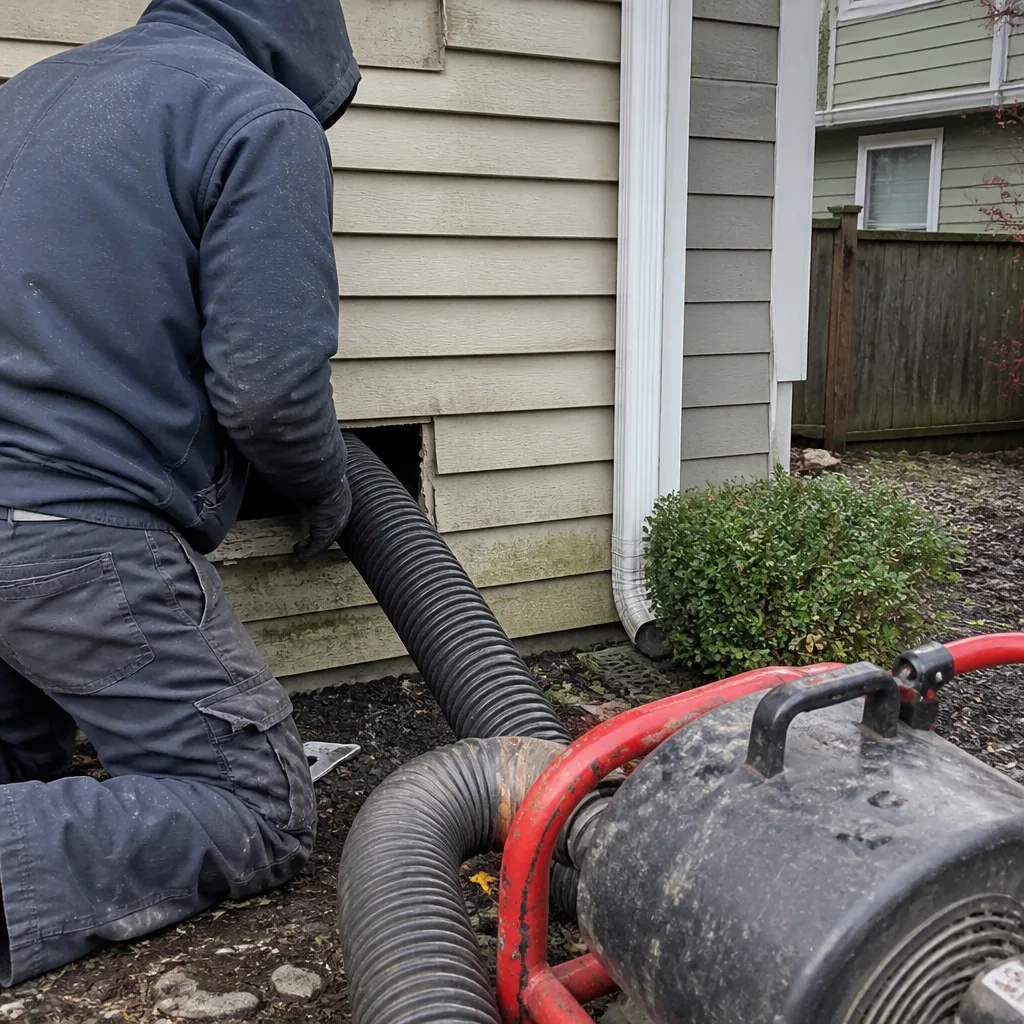 Before
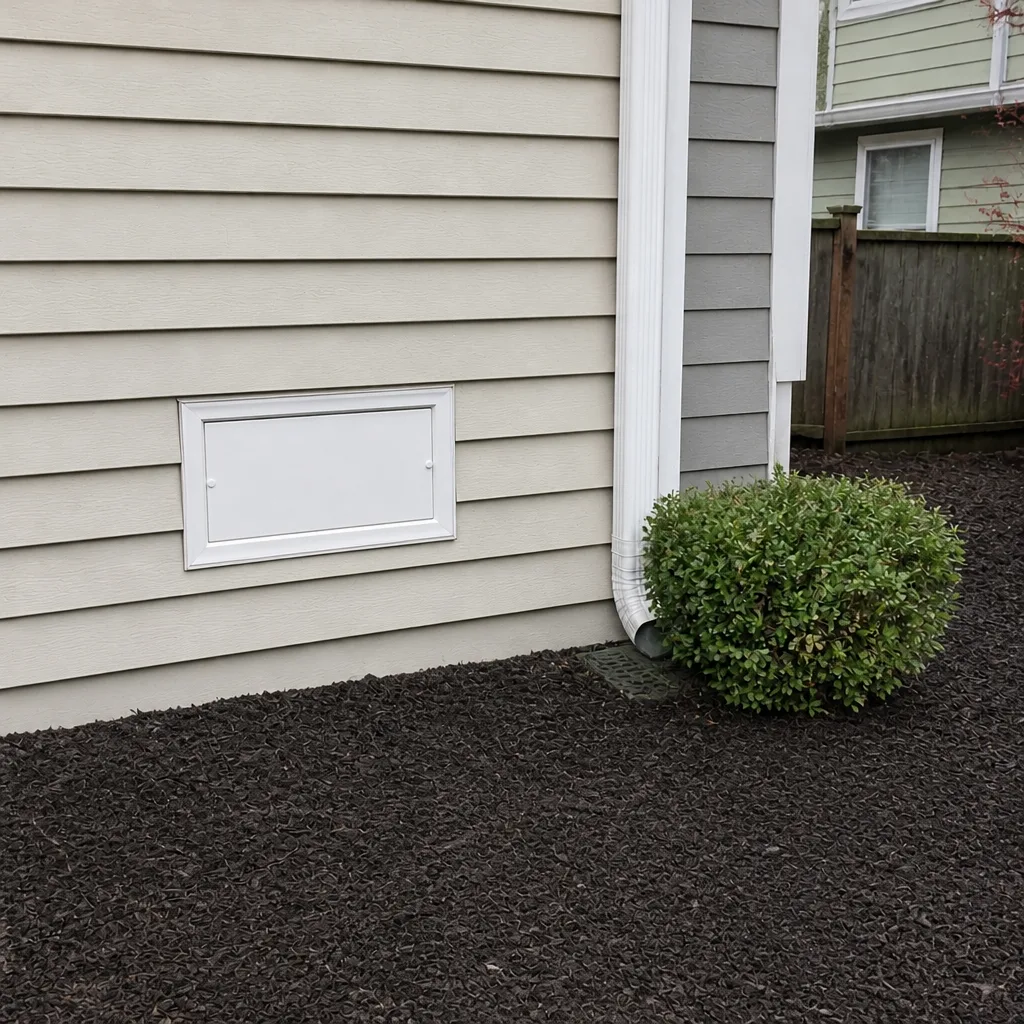 After
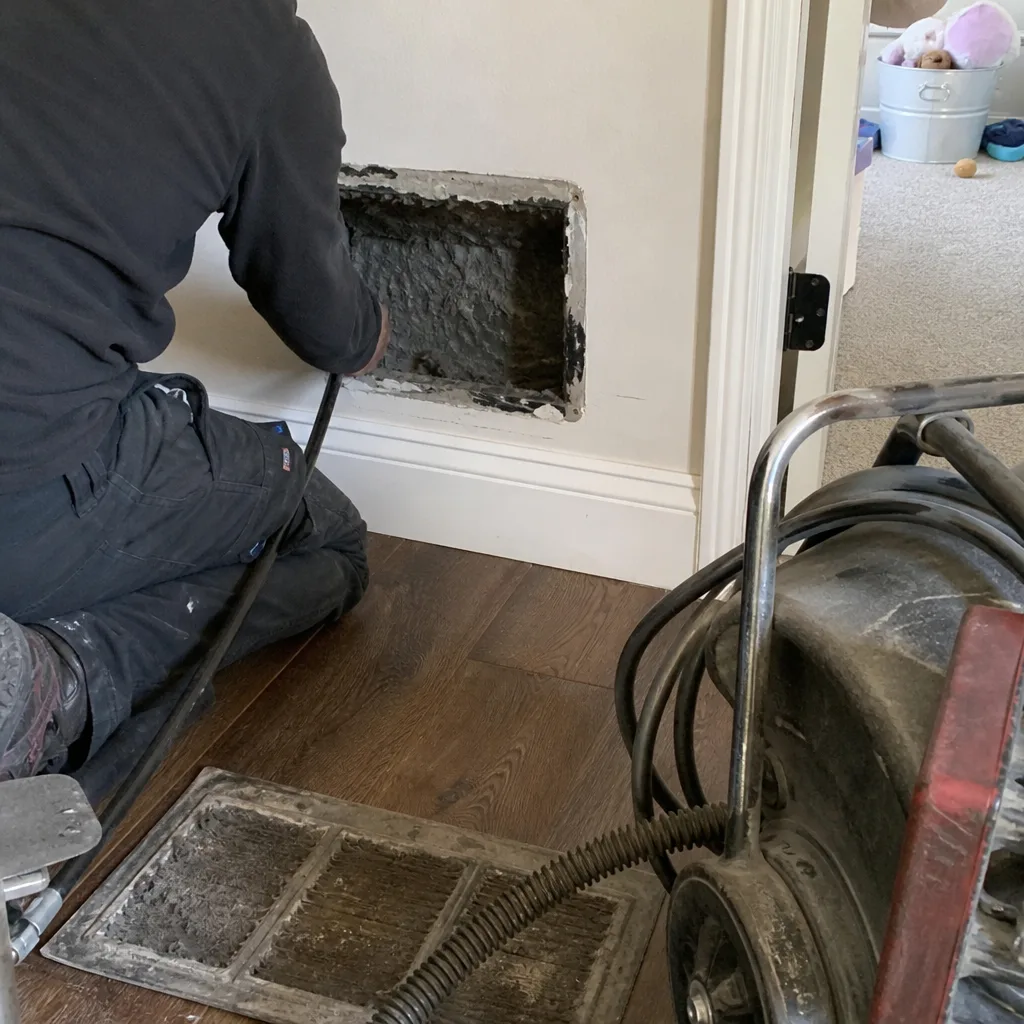 Before
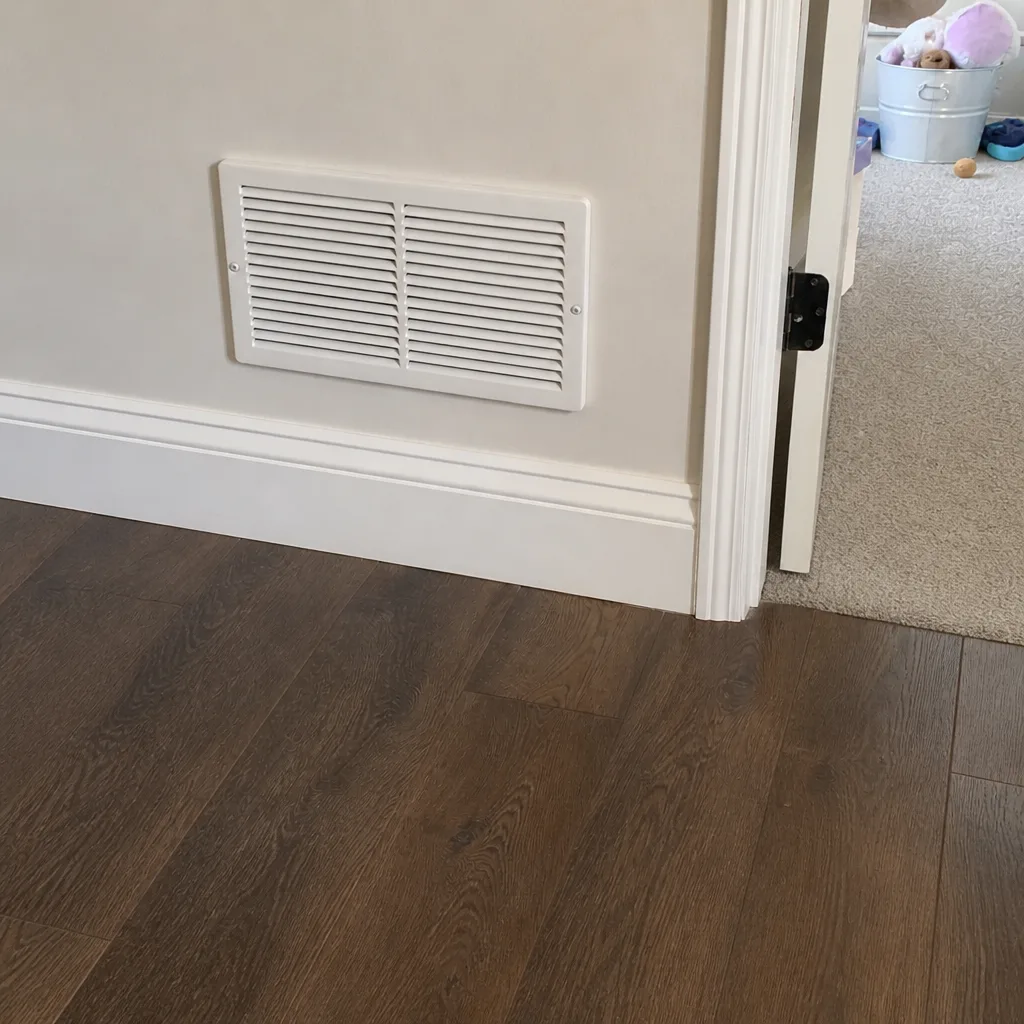 After
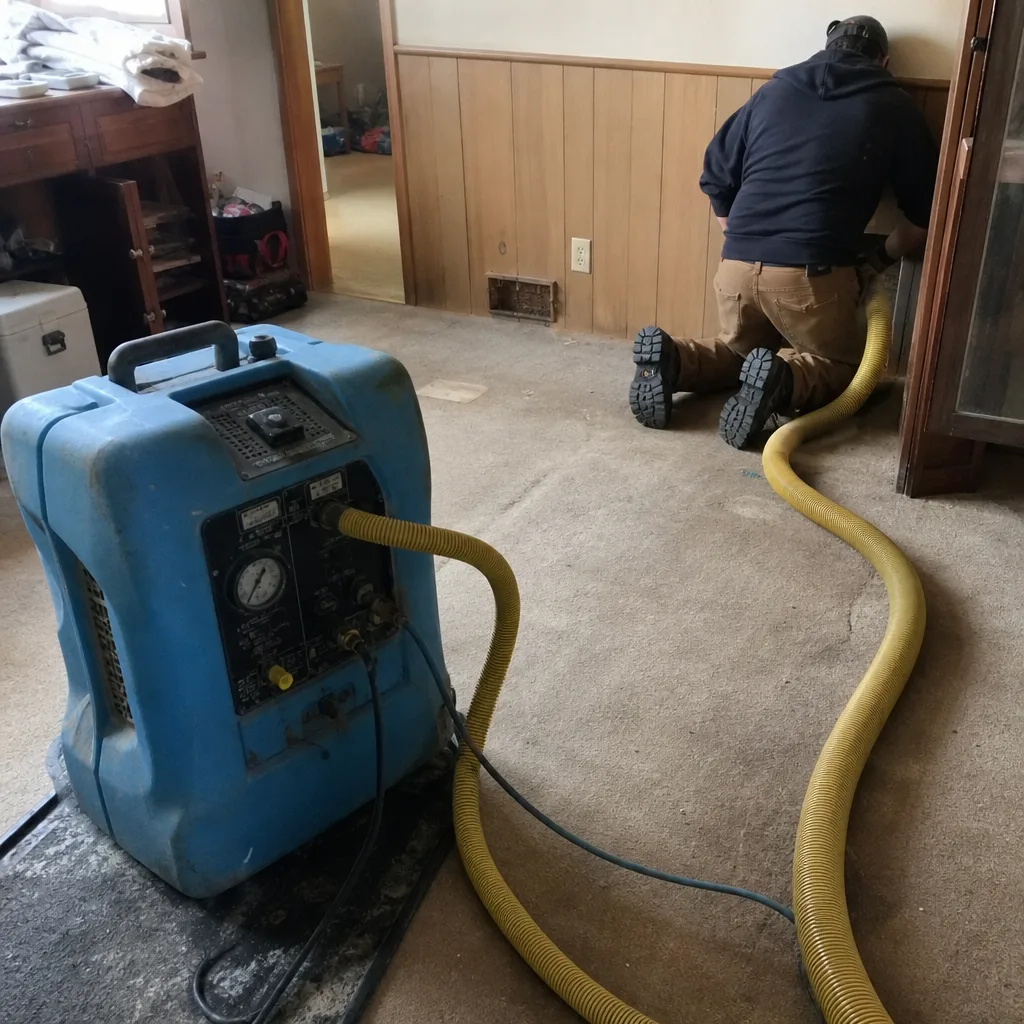 Before
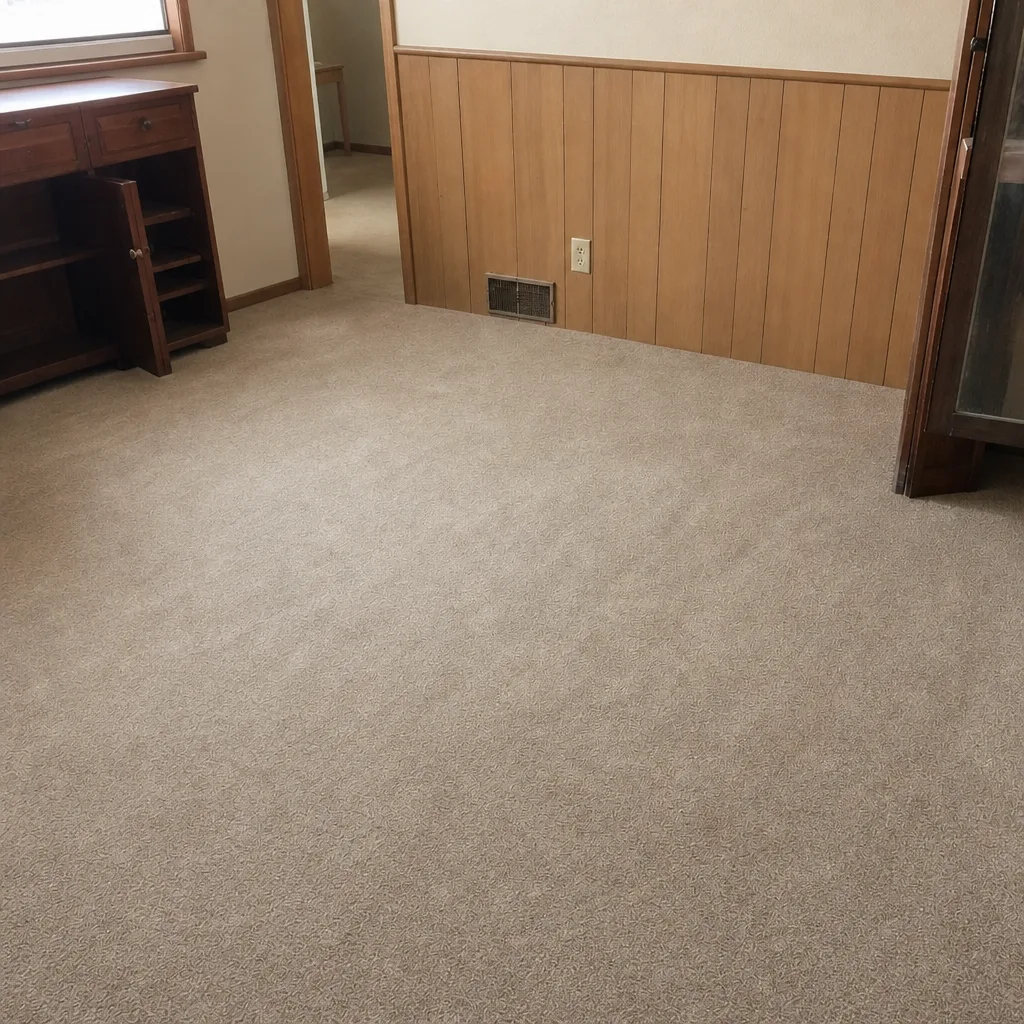 After
When to Call a Professional
Some symptoms are clear signals to bring in a specialist. Visible debris blowing from registers when the system starts. Persistent musty odor that doesn’t clear after a general home cleaning. A renovation that generated significant dust. A dryer that takes noticeably longer to dry a load, which often points to vent restriction rather than a failing appliance. A duct system that’s never been opened and inspected in a home you’ve owned for years. If any of those match your situation, a professional evaluation is the right next step, and our air duct cleaning visit starts with that evaluation before any work is quoted. Duct Cleaning Tacoma offers free estimates in Tacoma – call (888) 870-9539. We answer 24/7. Fast dispatch from 7am to 7pm, Sunday through Friday.
Frequently Asked Questions
Rotobrush combines a rotating brush and a vacuum in one tool, so it agitates the duct wall and captures debris at the same time. A shop vac has neither the airflow to reach through a duct run nor the containment to keep what it pulls out of your home. A shop vac removes what’s within reach of the register; a Rotobrush-class system cleans the run. If a company advertises “professional duct cleaning” and shows up with a vacuum designed for a garage, you know what tier you’re dealing with.
Yes, if the company is claiming to protect your indoor air. Standard filtration lets fine particles pass through and return to the room. HEPA filter material traps those particles so what leaves the machine is cleaner than what entered it. If you’re paying for indoor air quality improvement, HEPA-rated containment is the baseline. Any company willing to clean without it is asking you to trust that the debris stopped somewhere else.
A specialist can answer equipment questions without hesitation and offers duct-specific services like repair alongside cleaning. A generalist offers duct cleaning as an add-on and often runs whatever vacuum the shop already had. In Tacoma, the practical test is the question sequence in this guide: what vacuum, what containment, what access strategy, what verification. A specialist gives specifics. A generalist gives adjectives.
Source removal means contaminants are taken out of the system and captured, not just disturbed. It’s the standard the cleaning trade works to, and it’s the difference between a cleaning and a dusting. In practice it requires three things working together: mechanical agitation to lift material from the duct walls, negative pressure to pull it toward the collection unit, and HEPA filtration to capture it. Miss any of the three and you’re moving the problem around, not removing it.
Usually yes. Sheetrock dust, sawdust, and construction debris travel through the return air stream and settle into the ductwork, and the dust from one renovation can load a system more than years of ordinary use. A post-renovation cleaning is one of the clearest reasons to call a specialist. It’s also worth a look at whether the return runs need resealing, since construction sometimes disturbs duct connections.
Most quotes you’ll see for a full-home job land somewhere in the low hundreds to a few hundred dollars, and the ones at the very bottom of that range are usually lower for a reason: cheaper equipment, fewer access points, no real containment. The honest way to compare brands isn’t the headline number, it’s the equipment and process behind it. Ask what’s included, and expect a written estimate before work starts. Call (888) 870-9539 for an exact quote – estimates are free.
The Bottom Line
The brand you hire for air duct cleaning in Tacoma matters, but not because of the logo. It matters because of the machines the brand owns and how its technicians use them. Rotobrush agitation, Nikro HEPA collection, and Abatement-class containment are the equipment tier that makes a cleaning a genuine source-removal job rather than a surface pass. Add a narrow specialty focus, before-and-after photos, and repair capability for what the cleaning uncovers, and you have a standard you can hold any contractor to. Ask the questions in this guide. The answer you get tells you everything you need to know.
If you’d like a straight conversation about your home’s duct system and what it actually needs, call Duct Cleaning Tacoma at (888) 870-9539 for a free estimate. We answer 24/7. Fast dispatch from 7am to 7pm, Sunday through Friday.
Written by the team at Duct Cleaning Tacoma.