
Last updated November 15, 2026
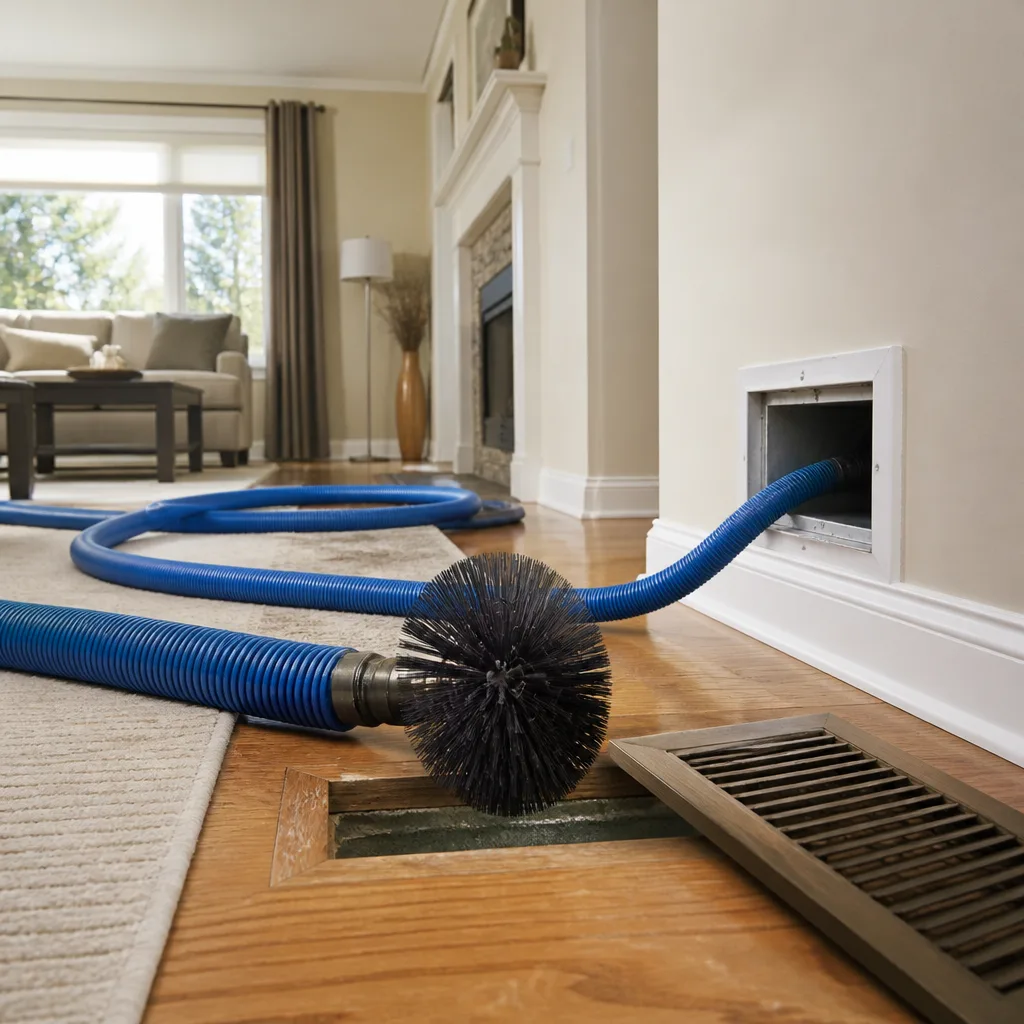 Whole-home duct cleaning
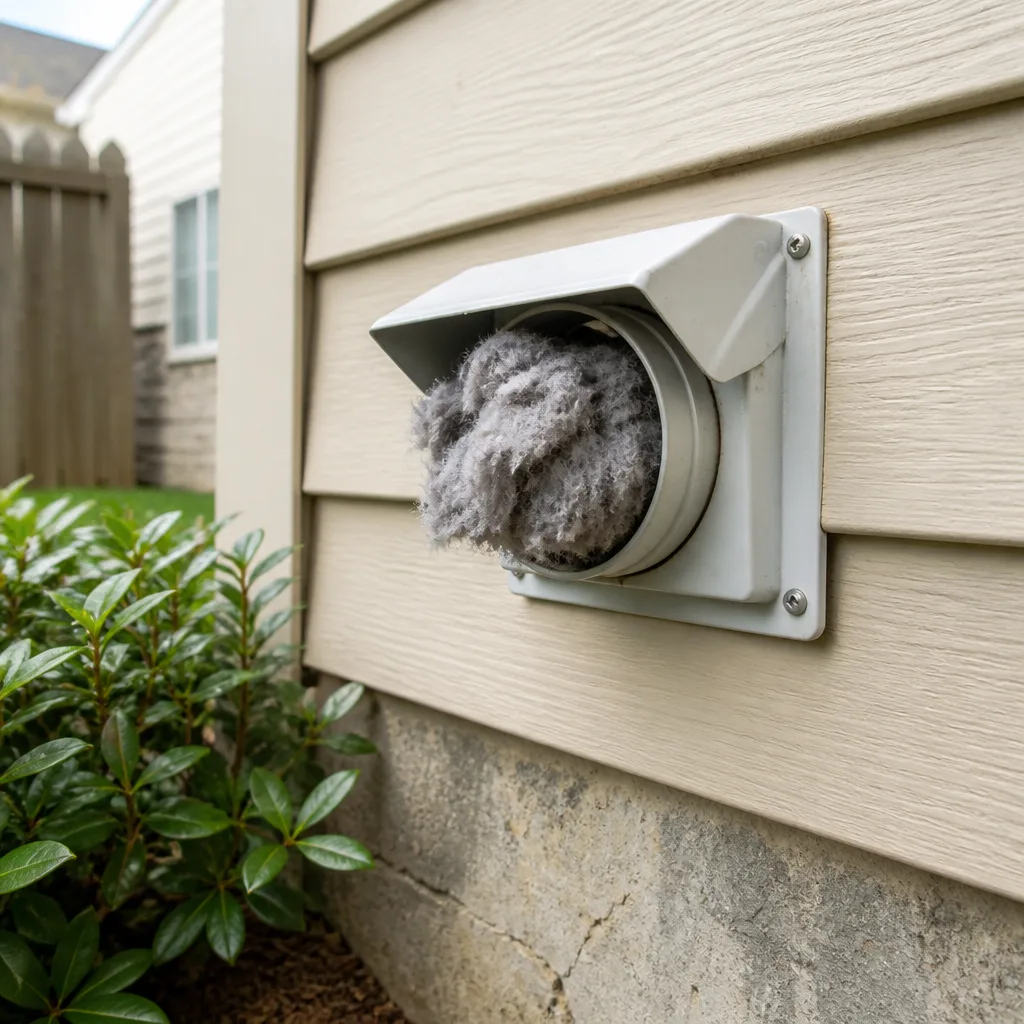 Dryer vent cleaning
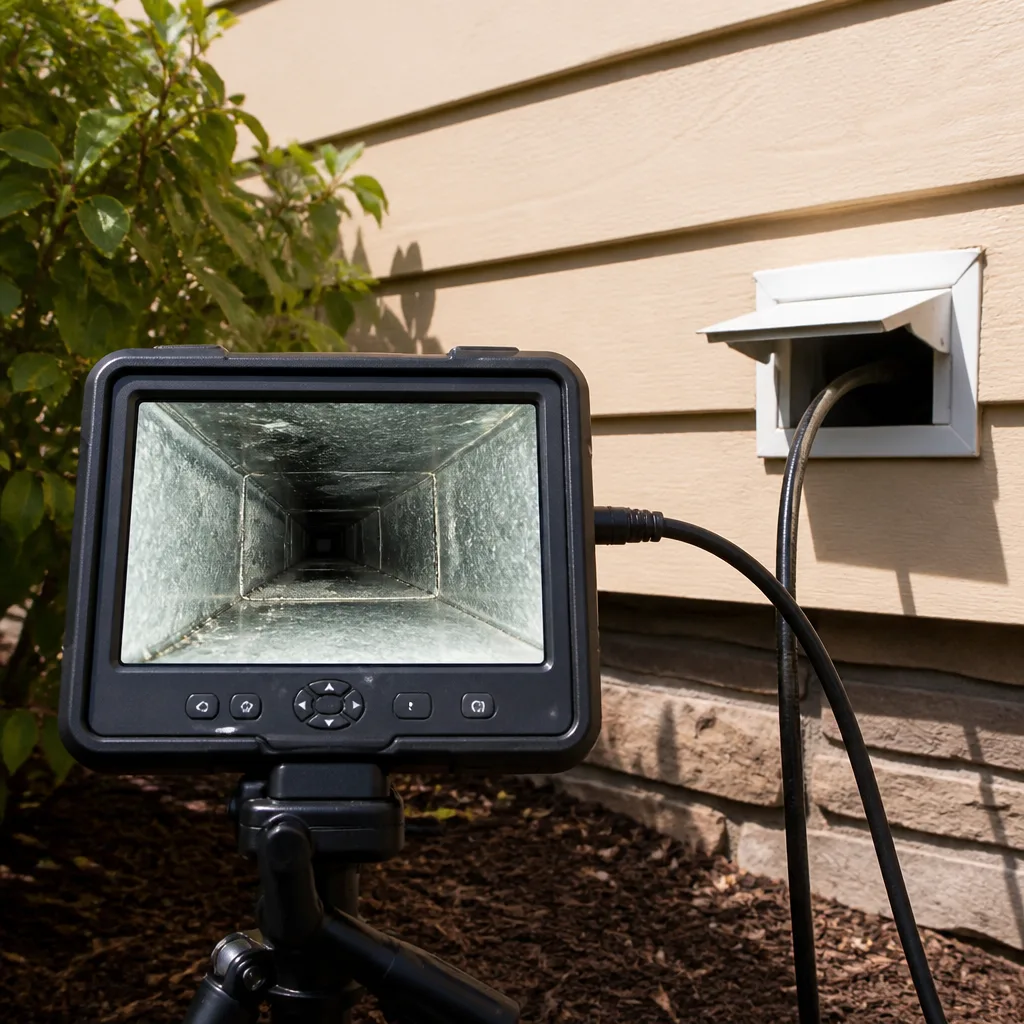 Camera inspection
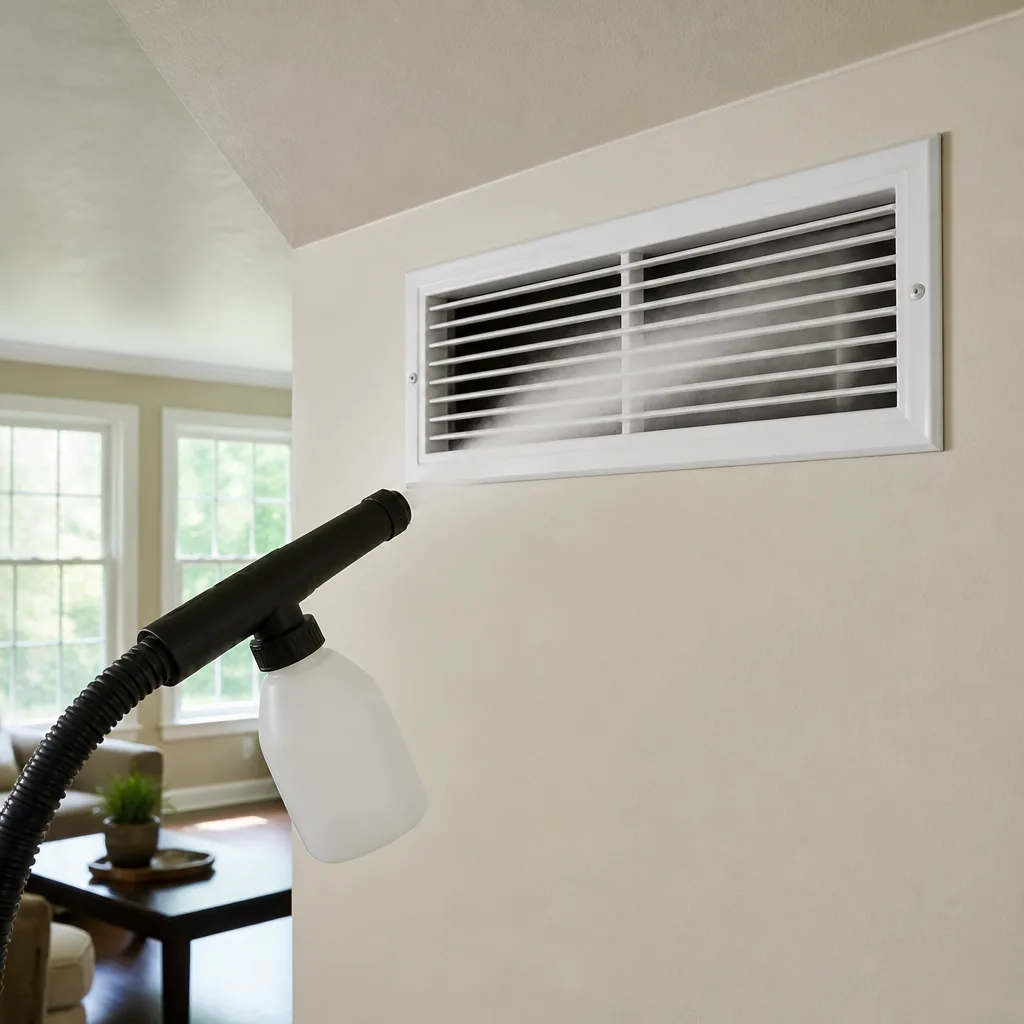 Sanitizing & deodorizing
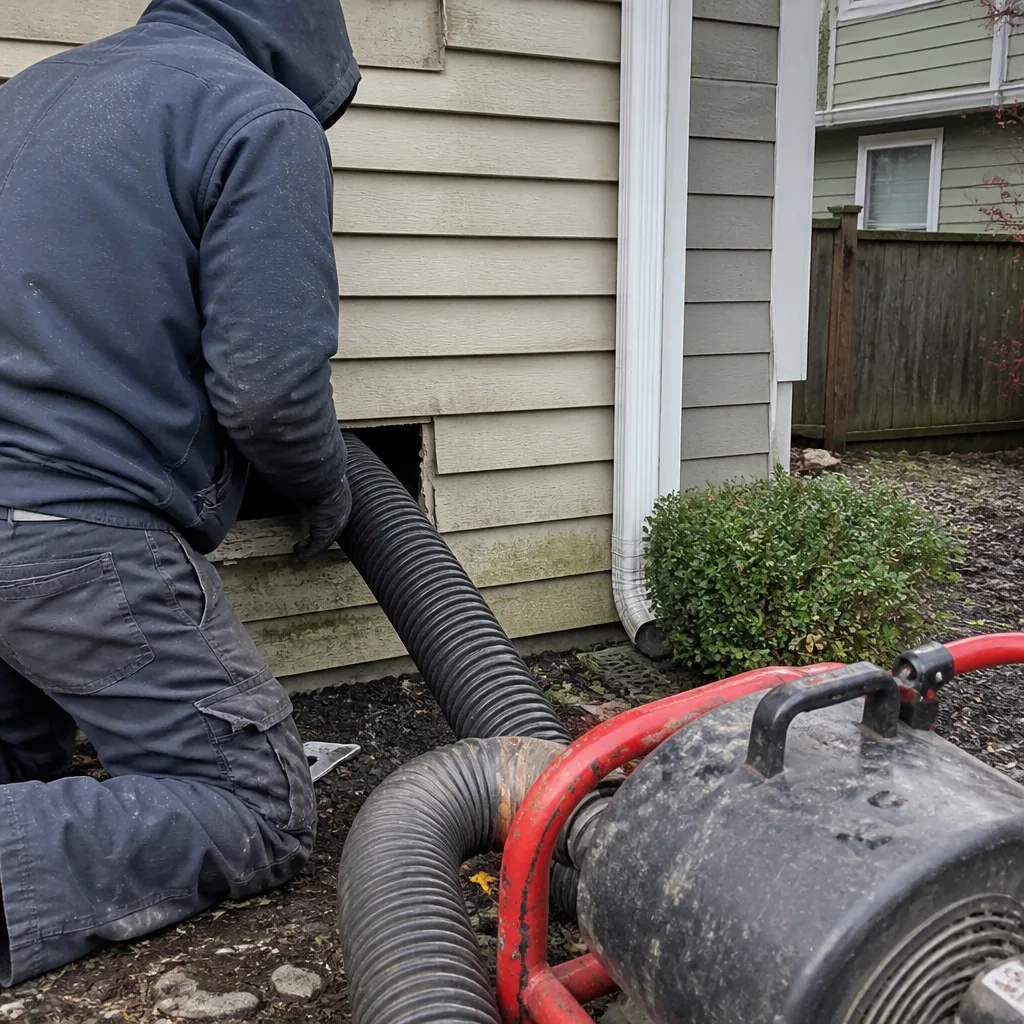
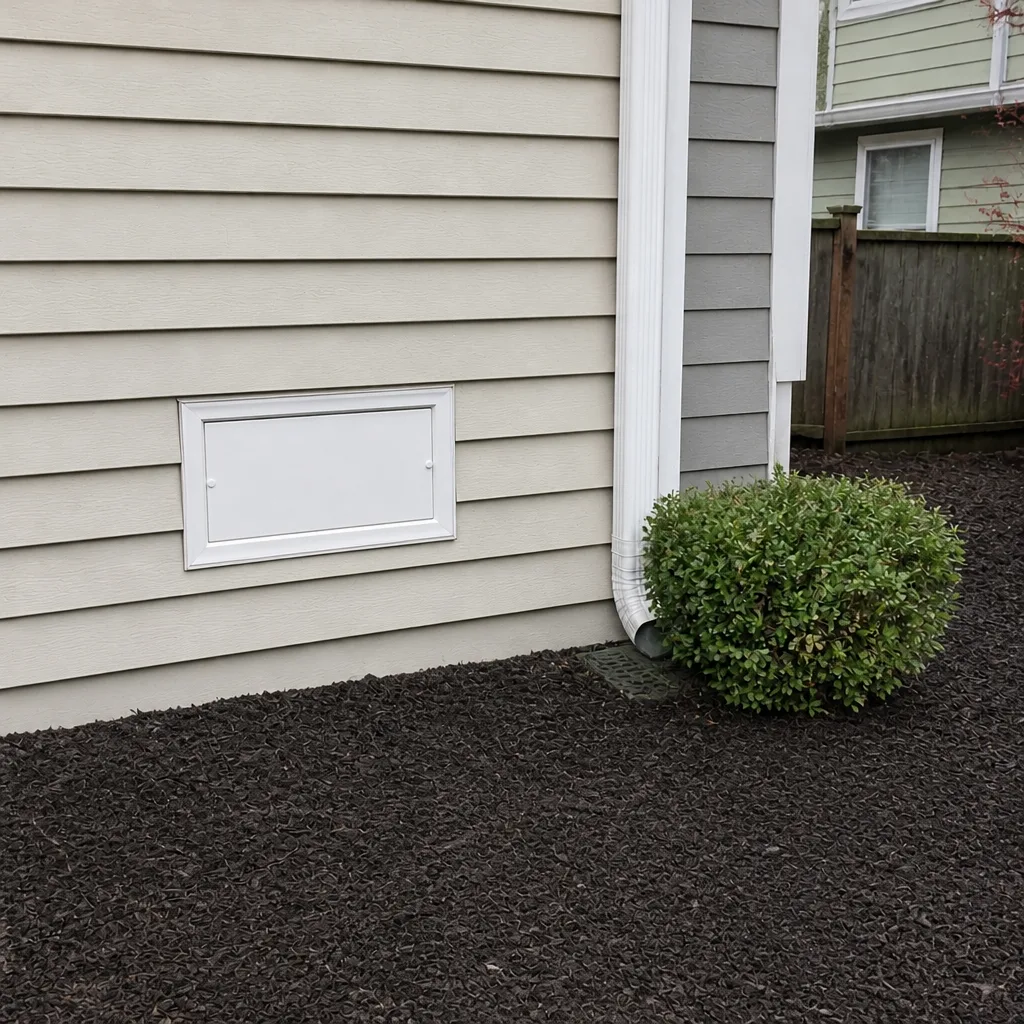
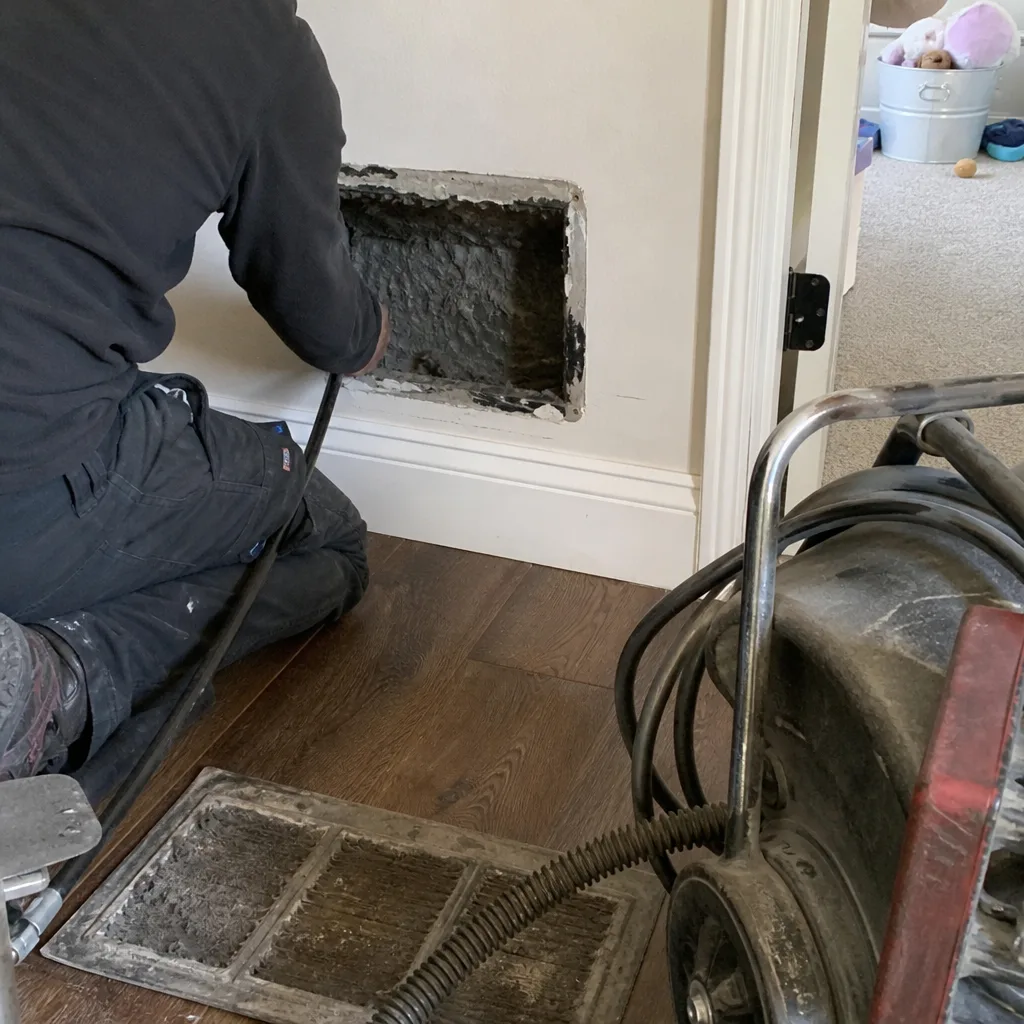
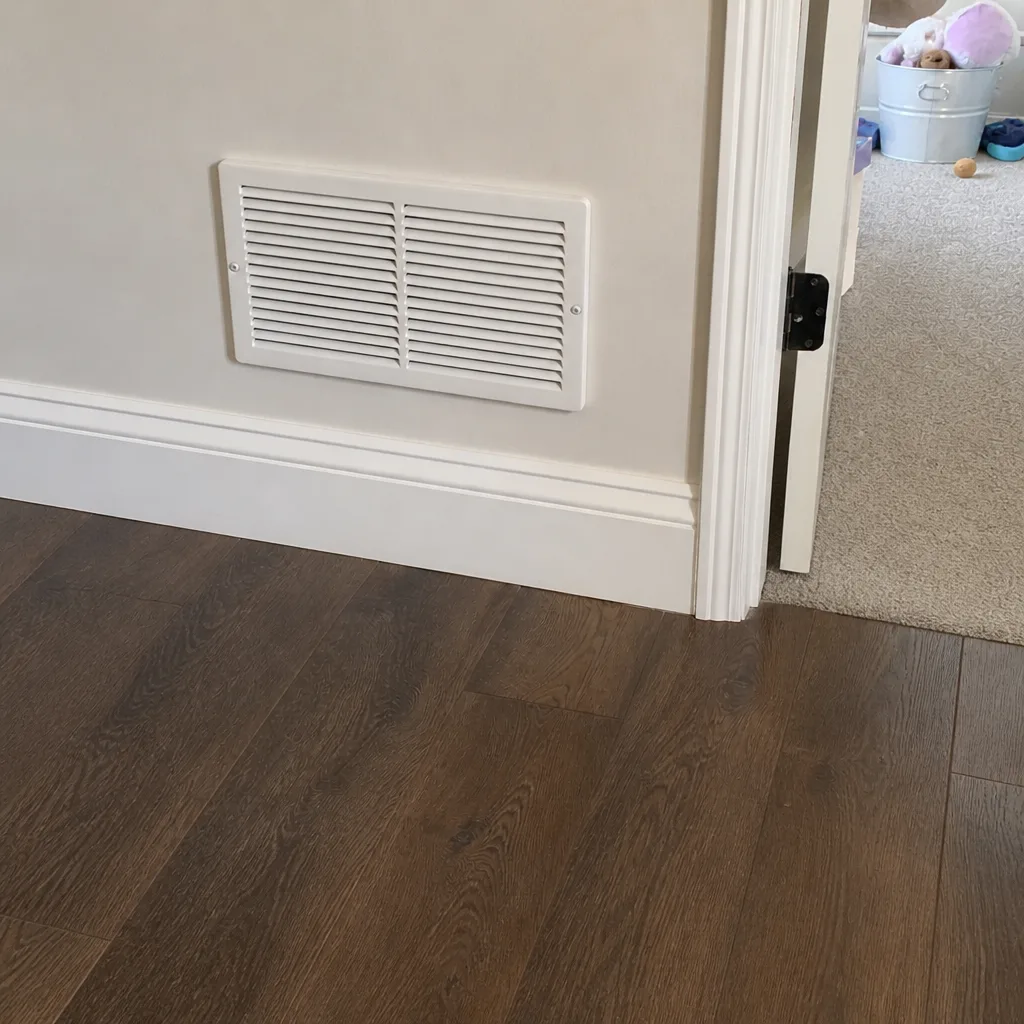
Whole-system duct and dryer vent check with before-and-after photos - you see exactly what came out of your vents
That "$99 whole-house special" is a bait ad - the real number appears once they are in your hallway, or the "clean" is a shop-vac at the register. We photograph the inside of your ducts before and after instead.
Air Duct Cleaning Warning Signs: A Tacoma Homeowner’s Reference Guide
Most duct problems don’t announce themselves. They arrive as a small pattern you get used to: the bedroom over the garage that never quite warms up, a faint smell the first time the furnace kicks on in fall, a dust ring on the ceiling around a register you’ve stopped seeing. That’s the trap. The signs that matter most in a Tacoma home are quiet, gradual, and easy to fold into “how the house has always been.” This guide treats those patterns as what they really are: diagnostic signals with specific causes you can narrow down before anyone cuts into a wall. You’ll learn how to read uneven temperatures, odors, dust discharge, and pest clues, and when they point to a job for a specialist.
Quick Answer
The main air duct cleaning warning signs are uneven room temperatures, musty odors on startup, visible dust blowing from registers, allergy symptoms that track with your HVAC cycles, and pest debris near vents. Any one of these can mean a restriction, disconnection, or buildup inside the duct system. In Tacoma’s damp, mild climate, crawlspace-foundation homes add pest and moisture clues that are easy to miss.
Styles & brands we work with
- Whole-home duct cleaning
- Dryer vent cleaning
- Camera inspection
- Sanitizing & deodorizing
Table of Contents
- Uneven Room Temperatures: Mapping the Cause
- Musty Odor on First Heat or Cool Startup
- Visible Dust Discharge vs. Normal Air Particulate
- Allergy and Respiratory Symptoms That Track With HVAC
- Pest Activity in Duct Systems
- When Cleaning Isn’t Enough: Duct Repair Signs
- How to Inspect Your Own Home Without Opening Walls
- What a Proper Professional Assessment Looks Like
Uneven Room Temperatures: Mapping the Cause
Start with the most common and most misread signal. If one room runs consistently several degrees off the thermostat while the rest of the house is comfortable, you’re usually looking at an airflow problem, not an equipment-sizing problem. A system that’s too small would leave the whole house short. One bad room points to something in the path between the air handler and that register. The trick is telling the four likely causes apart without tearing into walls.
- Restriction. A run that’s crushed, kinked, or choked with debris delivers less air than it should. The register feels weak even when other rooms are strong. This is the most common cause and often the easiest to correct.
- Disconnection. A duct joint has pulled apart, so conditioned air dumps into a crawlspace or wall cavity instead of the room. That room stays cold while your energy bill climbs. Disconnections are frequent where flexible duct meets a rigid takeoff.
- Collapse. Flexible duct that’s been stepped on, pinched, or sagging under its own weight flattens shut. The register may be silent. Collapse tends to show up on long runs or where ductwork was routed carelessly.
- Damper failure. A balancing damper in the branch may be closed or stuck. Sometimes it’s as simple as a damper nobody reopened after a past adjustment. A stuck damper and a restriction feel identical at the register.
Here’s how to tell them apart at the surface. Feel the airflow at the register with your hand: weak flow suggests restriction or a closed damper, near-zero flow suggests collapse or full disconnection. If the room is cold but air is moving well, check whether the run passes through an unconditioned space. In our experience across Tacoma’s older neighborhoods, a single cold room over a crawlspace or above a garage is a classic disconnection signature. None of this requires a wall to come down. A technician with a camera and airflow readings can confirm which of the four it is in minutes.
Musty Odor on First Heat or Cool Startup
That smell the first time the furnace runs in the fall, or the AC in summer, freaks a lot of homeowners out because the word “mold” jumps to mind. Not so fast. The odor you notice at seasonal startup is often something more ordinary. When a system sits idle for weeks, dust settles on the heat exchanger, the evaporator coil, and the interior duct surfaces. The first time it heats up, that dust bakes off, and you smell it. It’s a startup odor, not necessarily a colony of anything.
What makes it worth attention is the chemistry behind it. Musty, earthy smells come from microbial volatile compounds, and those can come from any damp organic surface: a dusty duct liner, a wet coil, backed-up condensate, or condensation that never dried out. Tacoma’s damp fall and winter give moisture more chances to linger in a crawlspace or around a coil pan than a dry-climate house ever sees. So the smell itself doesn’t prove mold.
Use these to judge whether it’s worth a closer look:
- A smell that fades within minutes of startup and never returns until the next long idle period points to settled dust baking off. Cleaning the system usually ends it.
- A smell that persists all season, or shows up mid-cycle, points to an active moisture source: a wet coil, condensation, or a leak. This is when you want someone to look at the coil and the drain pan, not just the ducts.
- A smell that’s sour or like dirty socks rather than dry and dusty suggests biological growth on a damp surface. That’s a moisture-fix job first, cleaning second.
If the odor shows up only in one zone, focus there. If it’s house-wide, look at the air handler and coil. Either way, an odor that won’t clear on its own is your cue to have the system assessed. In Tacoma, we treat a persistent musty smell as a moisture investigation before we treat it as a cleaning job.
Visible Dust Discharge vs. Normal Air Particulate
Every forced-air system moves some dust. What separates normal from a warning sign is behavior, not the existence of dust. Normal air movement carries fine, almost invisible particulate. A duct problem pushes visible dust out in puffs, tends to concentrate at one or two registers, and leaves a pattern. Learning to read that pattern tells you a lot about duct condition.
Distinguish the two like this:
- Where it shows up. Normal dust is fairly even room to room. Discharge from a specific register means the problem is in that run.
- When it shows up. A puff of dust when the blower starts is a classic seal or pressure issue. Steady visible dust the whole time the fan runs suggests a breach in that run.
- What forms around the register. A dark ring or streaking on the wall or ceiling paint near a vent means air is escaping around the boot rather than through the grille. That’s a seal-and-boot problem.
- What collects on surfaces. A fresh film on furniture within days of dusting, concentrated in one room, points to that room’s supply run.
The “puff at startup” is worth explaining, because a lot of people notice it. When the blower kicks on, pressure jumps in the duct system. Any loose joint, unsealed boot, or gap at a register lets that pressure push dust out into the room. It’s not that your ducts suddenly got dirty. It’s that a small leak is letting air escape where it shouldn’t. In Tacoma’s mix of older homes and newer builds, register boots that were never sealed are one of the most common causes we look for. A visual inspection of a few registers and the boots behind them usually reveals whether you’re seeing a discharge problem.
Allergy and Respiratory Symptoms That Track With HVAC
This is the signal people dismiss most often, and it deserves more respect than it gets. The pattern to watch for is a symptom rhythm: your allergies, congestion, or throat irritation flare on the same schedule as your heating or cooling cycles. If you feel better on mild days when the system sits off and worse on days it runs hard, that’s a correlation worth noting, especially if you’ve ruled out seasonal triggers. It doesn’t prove the ducts are dirty. It’s the kind of pattern that says the airflow path is worth assessing.
What living things inside a duct system respond to is organic material: dust, skin cells, pet dander, and moisture. A duct system with buildup and a bit of damp feeds dust mites and gives mold a foothold. When air moves through that, fine particulate carries into the room. A person with sensitive airways feels it before anyone sees dust.
Two things worth doing with this signal:
- Track it for a couple of weeks. Note which days the system runs heavily and whether your symptoms track with them. That simple log is a useful, honest piece of evidence that turns “I think it might be the ducts” into something a technician can work with.
- Pair it with the other signs. Symptoms plus a musty startup odor plus one cold room tell a much stronger story than any one alone. A single symptom could be seasonal allergies. Three that line up point at the system.
We’re careful here: duct cleaning isn’t a medical treatment, and we don’t promise health outcomes. But the correlation between airflow quality and how a sensitive person feels is real enough that it belongs on this list. If your symptoms consistently track your HVAC, it’s a reasonable reason to have the system looked at. And while we’re in there, we check the air quality components, including air duct cleaning systems and any filtration and humidity equipment from makers like Honeywell or Aprilaire, because filtration and moisture are often the real fix.
Pest Activity in Duct Systems
This sign is underreported, and it’s the one we want Tacoma homeowners to take seriously. The reason is structural. Much of the housing in Tacoma and the wider South Puget Sound sits on crawlspace foundations, and crawlspaces here stay cool and damp for much of the year. That environment is appealing to rodents and insects, and the duct system runs right through it. Ducts are warm, sheltered, and often only loosely sealed. When a pest finds a gap, it can get inside.
How pest activity shows up as a duct warning sign:
- Droppings or nesting material near the foundation vents, in the crawlspace, or on top of duct runs. That tells you animals are in the space where your ducts live.
- Scratching, skittering, or thumping inside walls or the crawlspace, especially at night. A duct run can carry that sound into a room.
- Chewed or missing duct insulation or holes in flexible duct. Rodents gnaw insulation and flex duct, which opens a path for both pests and air loss.
- A persistent, sharp, musky odor that isn’t quite dust and isn’t quite mold. That’s a different smell from the startup-dust odor and worth tracking to its source.
- Pet interest in a register. An animal that keeps returning to one vent is picking up on something.
When pests get into a duct system, cleaning alone isn’t the answer. You have to seal the entry and fix the damaged section, or you’ll be back at the same problem. That’s where duct repair joins the conversation. We’ve seen enough crawlspace-foundation homes in Tacoma to know that a pest clue near a duct is worth acting on early, before insulation damage turns into a bigger opening. One more safety note: dead animals, droppings, and nests in ductwork are a contamination concern, and handling that isn’t a homeowner cleaning project. It’s a job for a professional with containment equipment.
When Cleaning Isn’t Enough: Duct Repair Signs
Most duct cleaning operators clean. Fewer will fix what’s structurally wrong. The signs that you’re facing a repair, not just a cleaning, are usually the same signs people put off because they don’t know they can be fixed. Disconnections, crushed runs, sagging flex duct, torn insulation, and unsealed joints are repair work, and cleaning a leaky duct system without sealing it leaves the problem in place.
Here’s what points to repair:
- Conditioned air escaping into a crawlspace or attic. You can’t see it, but you can feel the effect on your energy bill and on room comfort.
- Visibly torn or sagging flexible duct where you can see it at the air handler or in an open crawlspace.
- Registers that are loose, unsealed, or pulling away from the wall or floor. That boot leak lets air bypass the room.
- Consistently cold or hot rooms that survive a cleaning. If airflow is still wrong after a proper clean, something structural is limiting the flow.
- Pest damage to insulation or flex duct. Chewed material has to be replaced, not cleaned.
This is where you want a specialist rather than a generalist. A company that only cleans can’t fix a crush or a disconnection, so it will clean and leave. A specialist will find the structural problem and repair it. We treat air duct repair as a standalone service for exactly this reason: fixing the duct system’s integrity is sometimes the whole job. In a Tacoma home with a crawlspace foundation, that often means reconnecting a flex run that pulled loose and sealing the boots that were never sealed right.
How to Inspect Your Own Home Without Opening Walls
You can build a solid picture of your duct system’s health with tools you already have and no demolition. The goal isn’t to fix anything; it’s to gather specific, honest clues to hand a technician. Work through these steps in order.
- Map your registers. Walk the house and note the airflow at every supply register, on a normal run cycle. Rank them from strongest to weakest. The weakest room is your starting point.
- Feel for the puff. Hold a hand or a tissue near a register as the blower starts. A noticeable puff or dust release points to a seal or pressure issue in that run.
- Check the boots. Look at the edge where each register meets the wall or floor. Dark rings, gaps, or loose grilles mean air is escaping around the boot.
- Listen at idle. On a quiet evening, listen near walls and the crawlspace access for scratching or skittering. Note any spots that seem active.
- Inspect the crawlspace (safely). From the access point with a flashlight, look for droppings, torn insulation, or duct runs that sag or rest on the ground. Don’t climb into tight or unsafe spaces.
- Smell each zone. Note whether the musty or dusty odor is house-wide or concentrated in one room, and whether it fades after startup.
- Log the pattern. Write down which rooms are cold, which vents puff dust, and whether symptoms or odors track with the system. That written pattern is more useful to a technician than any one symptom.
Keep it observational. You’re not sealing or cleaning anything yourself, and on this list, that’s the right call. Crawlspaces here can hold standing moisture, poor air, and pests, so treat that step as a look from a safe distance. What you’re building is evidence.
What a Proper Professional Assessment Looks Like
Given how much distrust hangs over this trade, knowing what a real assessment looks like protects you as much as any inspection step. A specialist comes in, looks at your whole system, and shows you what’s happening rather than telling you. The equipment is the tell. If you see a shop-vac and a sales pitch, that’s not a duct cleaning operation. Professional duct service uses mechanical agitation systems like the Rotobrush, with HEPA-filtered collection units like Nikro, and negative-air containment equipment from Abatement Technologies, so the debris knocked loose is captured rather than pumped back into your rooms.
A proper assessment covers:
- The whole system, including supply and return runs, the air handler, the coil, and the boots, not just the registers you can see.
- Containment before cleaning, so the work doesn’t spread dust through the house.
- Camera and airflow readings to confirm a restriction, disconnection, or collapse before anyone touches a wall.
- Before-and-after photos of your own ducts, so you see the work rather than take it on faith.
- A clear distinction between cleaning and repair, so a structural problem gets fixed instead of cleaned around.
In our experience, the difference between a duct specialist and a general HVAC company shows up here. A generalist who adds duct cleaning to a list of services treats it as an add-on. A focused operation lives inside duct systems and can repair what a cleaning-only outfit can’t. That narrow focus, on air duct cleaning, dryer vent cleaning, and air duct repair, is the reason we built the business the way we did. And dryer vent cleaning earns a place on these pages because a clogged dryer vent is a real fire-safety risk, not just a drying-time complaint. If you want a sense of how the work runs, start with an honest look at your whole system rather than one vent.
Common Mistakes to Avoid
- Assuming one cold room is an HVAC sizing problem. A single bad room usually points to a restriction, disconnection, collapse, or stuck damper in that run. Replacing equipment won’t fix a duct that’s disconnected.
- Treating a seasonal startup smell as mold. Dust baking off a heat exchanger is a different thing from active growth. Chase the moisture source before you assume the worst, and don’t let a persistent smell go uninvestigated either.
- Cleaning a duct system that has a structural problem. If a run is disconnected or crushed, cleaning it doesn’t restore the room. Fix the integrity first, then clean.
- Ignoring pest clues in a crawlspace. In Tacoma’s crawlspace-foundation homes, droppings or chewed flex duct are early warnings. Waiting lets insulation damage turn into a bigger opening.
- Accepting a per-vent quote with a low headline number. The per-vent model punishes you at the technician’s discretion. Ask for a flat price per system, agreed before work starts, with before-and-after photos of your own ducts.
- Checking the registers but skipping the boots. A dark ring or streaking at a register means air is escaping around the boot. That’s a seal problem the room notices even when the main duct is fine.
- Hiring a generalist for a duct-specific question. A company that cleans but can’t repair will clean what it can and leave the structural cause in place.
See the difference
 Before
 After
 Before
 After
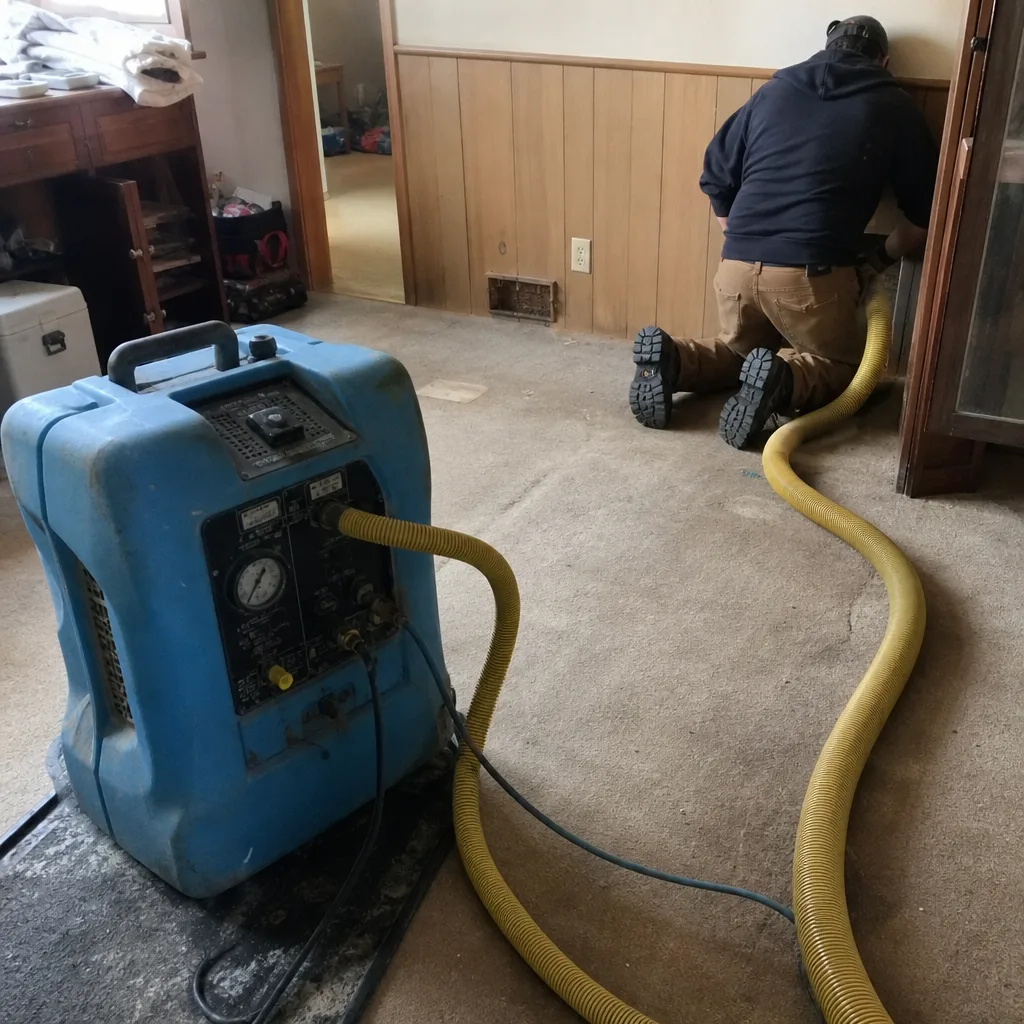 Before
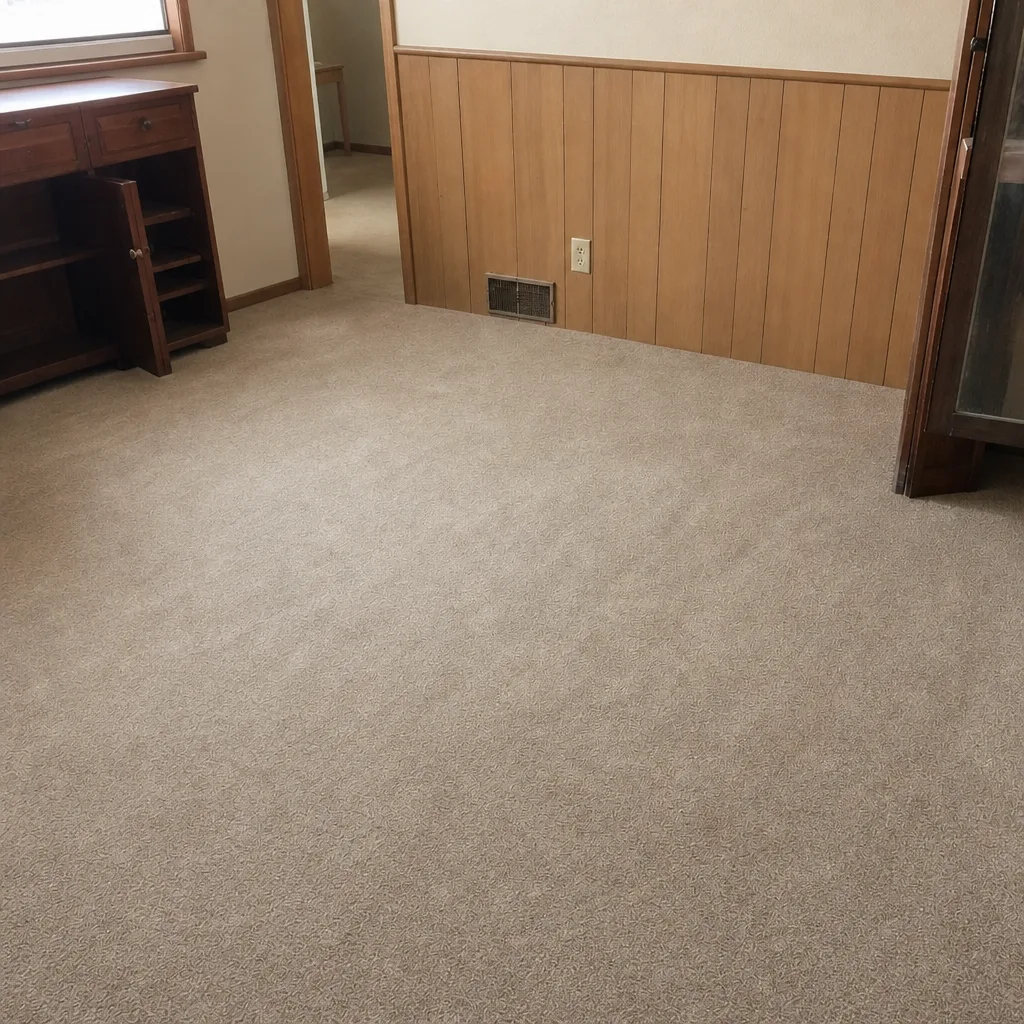 After
When to Call a Professional
Some signs you can watch for a couple of weeks with a tracking log. Others deserve a call sooner. Reach out if any room stays consistently several degrees off the thermostat no matter what you try; if a musty or sour odor persists through the season rather than fading after startup; if you see puffs of dust or a dark ring at the boots; if allergy symptoms track your HVAC cycles for more than a couple of weeks; or if you find droppings, chewed insulation, or torn flex duct in the crawlspace. Those are the signals that say the system is asking for a professional assessment, not another round of dusting. Duct Cleaning Tacoma offers free estimates in Tacoma, and our technicians have up to 10 years of experience reading exactly these patterns. Call (888) 870-9539. We answer 24/7. Fast dispatch from 7am to 7pm, Sunday through Friday.
Frequently Asked Questions
The most common are uneven room temperatures, musty odors on first heat or cool startup, visible dust discharge from a specific register, and allergy symptoms that track with HVAC cycles. In crawlspace-foundation homes, pest debris near ducts is a fifth signal that’s easy to miss. Any one of these is worth noting; two or three together point strongly at the duct system. Call (888) 870-9539 for a free assessment.
If one room is consistently off while the rest of the house is comfortable, it’s usually a duct problem (restriction, disconnection, collapse, or a stuck damper), not undersized equipment. An undersized system leaves the whole house short, not one room. Check the airflow at that room’s register: weak flow means restriction or a damper, near-zero flow means collapse or disconnection. Call (888) 870-9539 for an exact diagnosis.
No. A musty smell at the first heat or cool startup is often dust baking off the heat exchanger and coil after a long idle period, not mold. A smell that persists all season or comes on mid-cycle points to an active moisture source worth investigating. Sour or dirty-socks odors suggest biological growth on a damp surface, so fix the moisture first. Call (888) 870-9539 to have the coil and ducts checked.
Cheap quotes usually reflect a per-vent model with a low headline number, consumer-grade equipment, and no containment, which is how a small quote becomes a large invoice once the technician is on site. An honest whole-system estimate uses professional equipment and holds the price. Look for a flat price per system agreed before work starts and before-and-after photos. Call (888) 870-9539 for a free, no-surprise estimate.
Ask for before-and-after photos of your own ducts, and confirm the crew used HEPA-filtered collection with negative-air containment so debris was captured rather than recirculated. Professional equipment like a Rotobrush agitation system and Nikro collection units are the visible proof that the work is real. A shop-vac and a sales pitch isn’t an inspection. Call (888) 870-9539 to see how we document the work.
Yes, and it’s underreported. Much of Tacoma and the South Puget Sound sits on crawlspace foundations that stay cool and damp, which appeals to rodents and insects, and duct runs pass right through those spaces. Droppings, chewed insulation, or thumping in the walls are real warnings. If a pest has opened a duct, cleaning alone won’t fix it; the entry and the damaged section have to be repaired. Call (888) 870-9539 for an assessment.
The Bottom Line
The duct warning signs that matter most in a Tacoma home are quiet ones: a room that never warms, an odor that won’t clear, dust that puffs from one register, symptoms that track your HVAC. They’re diagnostic signals, not vague discomforts to tolerate. Treat them early, before a small restriction or disconnection becomes a bigger repair, and lean on the crawlspace-specific pest clues that show up in South Puget Sound. When the pattern points at the system, get it assessed with professional equipment, a flat price per system, and photos of your own ducts. Duct Cleaning Tacoma is here when you’re ready to look under the hood of your home’s airflow. Call (888) 870-9539. We answer 24/7. Fast dispatch from 7am to 7pm, Sunday through Friday.
Ready to check your ducts? Duct Cleaning Tacoma offers free estimates to homeowners across Tacoma. For air quality components tied to your system, we work with trusted brands like Honeywell and Aprilaire.
Written by the team at Duct Cleaning Tacoma.