
Last updated November 15, 2026
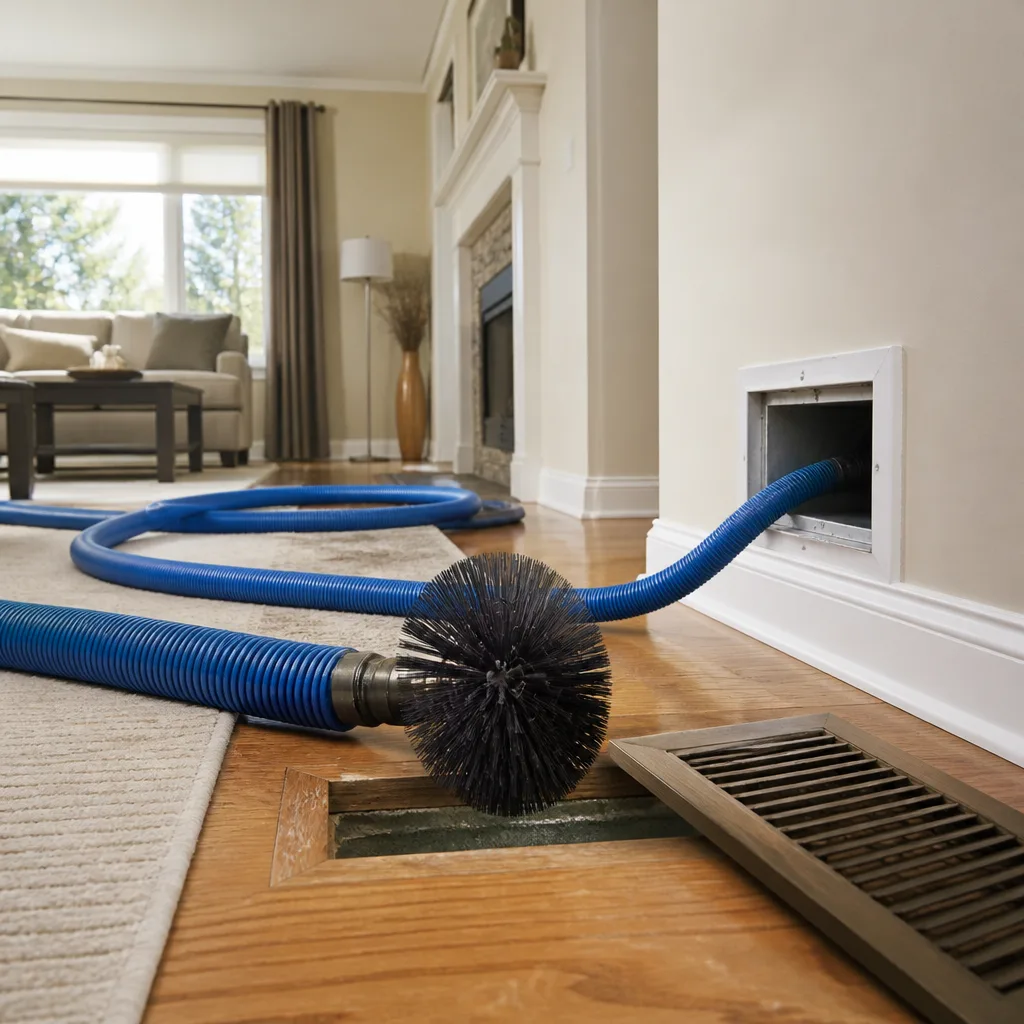 Whole-home duct cleaning
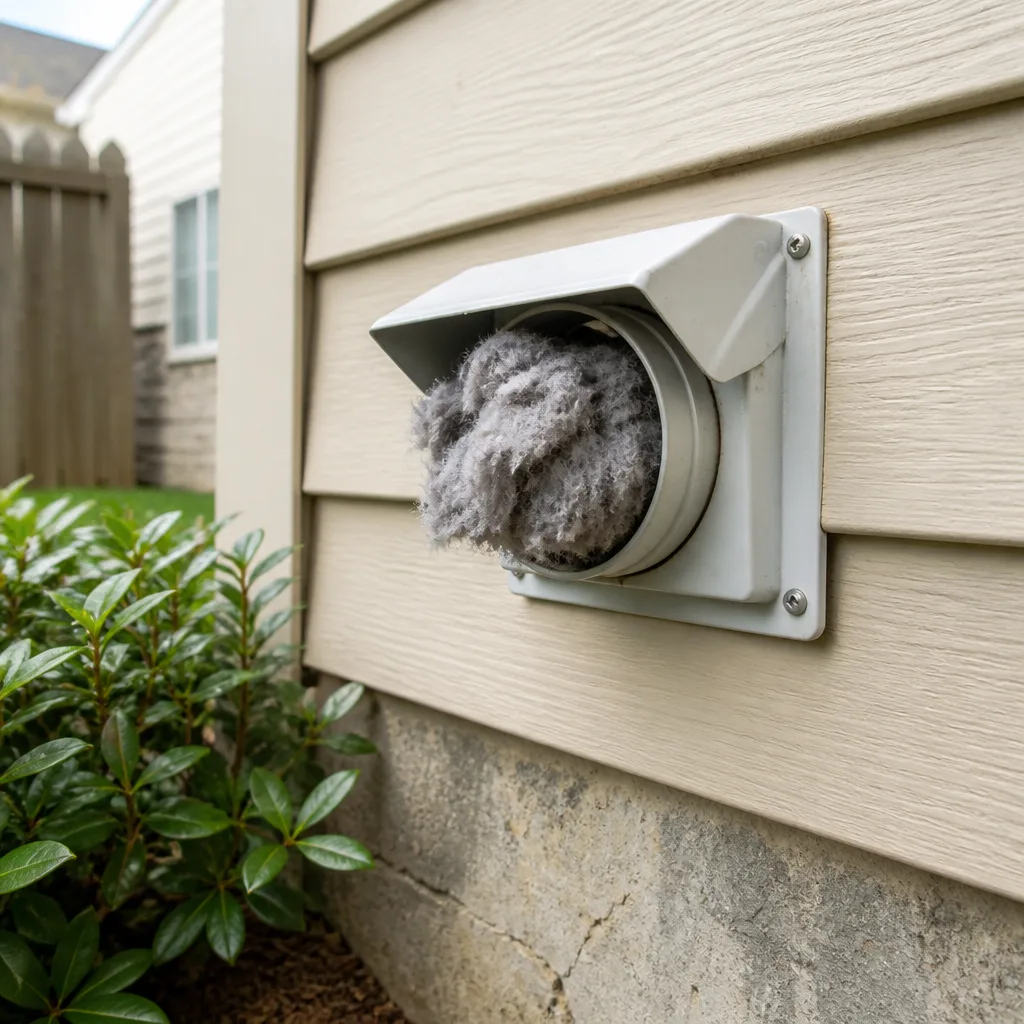 Dryer vent cleaning
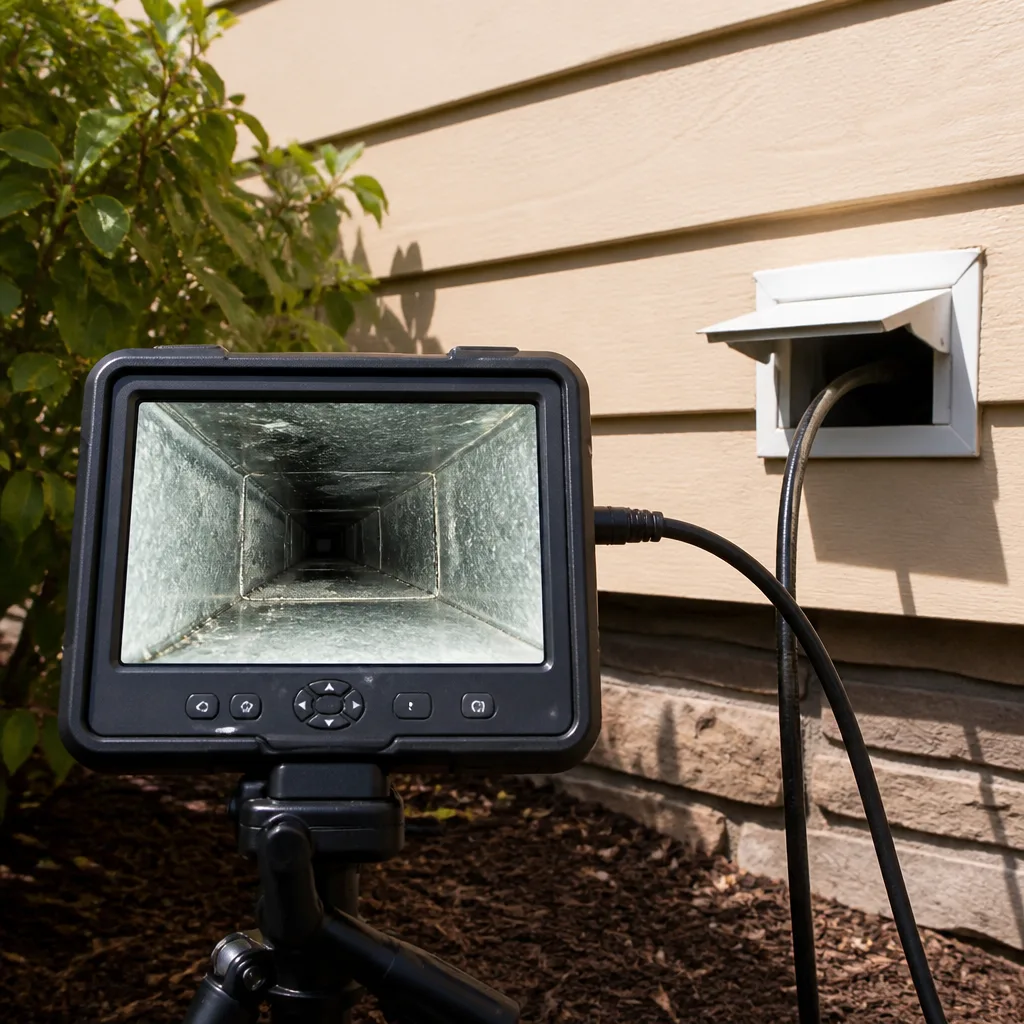 Camera inspection
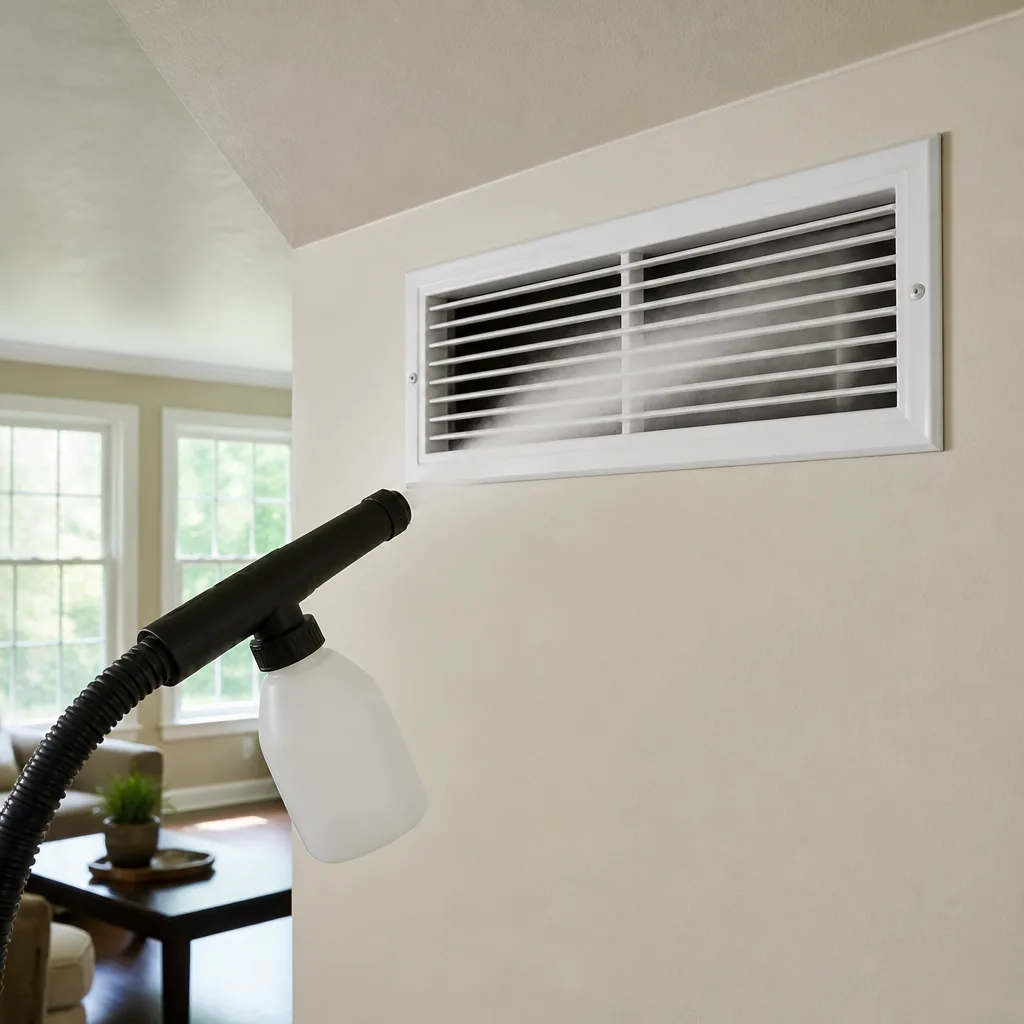 Sanitizing & deodorizing
Whole-system duct and dryer vent check with before-and-after photos - you see exactly what came out of your vents
That "$99 whole-house special" is a bait ad - the real number appears once they are in your hallway, or the "clean" is a shop-vac at the register. We photograph the inside of your ducts before and after instead.
Air Duct Cleaning Maintenance Schedule: What to Do and When
Most homeowners in Tacoma search for a duct cleaning interval and get handed the same answer: every three to five years. That number exists because it’s easy to say, not because it’s true for your house. A single default schedule ignores the things that actually fill a duct system with debris, which are pets, renovation dust, where the ducts are routed, and how hard your HVAC system runs through a Tacoma year. This guide shows you how to build a maintenance schedule around your home’s real conditions instead of a calendar. You’ll learn what to inspect yourself, what needs equipment to assess, and when the schedule should reset entirely.
Quick Answer
There is no universal duct cleaning interval. A Tacoma home with no pets, no recent renovations and clean filters may go five to seven years between cleanings, while a home with two shedding pets, a recent remodel or ducts routed through a damp crawlspace may need attention every two to three years. The reliable method is to track filter degradation, inspect accessible components once a year, and reset your schedule after any major event like a finished basement or a pest intrusion.
Styles & brands we work with
- Whole-home duct cleaning
- Dryer vent cleaning
- Camera inspection
- Sanitizing & deodorizing
Table of Contents
- Why the “Every 3 – 5 Years” Rule Falls Short in Tacoma
- The Variables That Shorten Your Interval
- Build Your Own Interval: A Simple Calculator
- What to Inspect Yourself Every Year
- Dryer Vent Cleaning Runs on Its Own Schedule
- Why Filter Degradation Is Your Best Early Warning
- Events That Reset the Whole Schedule
- What Tacoma Climate and Housing Add to the Equation
Why the “Every 3 – 5 Years” Rule Falls Short in Tacoma
The Environmental Protection Agency suggests cleaning ducts “as needed” rather than on a fixed clock, and that guidance was written without a schedule attached for a reason. The interval depends on what’s happening inside your specific duct system, and that changes from house to house. A family of two with hardwood floors and no pets is running an entirely different system than a household with two dogs, a cat, wall-to-wall carpet and an open bag of potting soil in the hall closet.
In Tacoma, the variables get more complicated than the national average. The climate runs damp for most of the year, which means the HVAC system moves air through cooler, moister duct runs in crawlspaces and basements. That environment encourages debris to clump and stick to duct walls rather than blow through. Older housing stock in neighborhoods across the city often includes flexible duct that sags or detaches at joints over time, creating low spots where dust settles permanently.
What does that mean for scheduling? It means three to five years is a reasonable starting point for a low-variable Tacoma home, and completely wrong for a high-variable one. Adopting the default without checking your own conditions is how people end up with a cleaning that looks unnecessary at the two-year mark or one that’s three years overdue.
We build our maintenance recommendations around the variables, not the calendar. That’s why our air duct cleaning assessments start with questions about pets, renovations and duct routing before we quote an interval.
The Variables That Shorten Your Interval
Four factors do most of the work in shortening a duct cleaning interval. Understanding them lets you estimate where your home falls on the spectrum before anyone inspects a single register.
Pets
Pet dander and hair are tiny, adhesive and shed continuously. A single medium-sized dog can meaningfully shorten the interval; two or more long-haired pets can cut it roughly in half. Hair sticks to duct walls, then acts as a trap for dust the way a furnace filter does, which means accumulation accelerates over time. If your pets spend time indoors most of the day, assume you’re on the faster side of any range.
Smoking Indoors
Indoor smoking leaves tar and fine particulate on duct surfaces, and that residue doesn’t blow through the way dry dust does. It coats. Even occasional indoor smoking shifts the schedule faster. Homes where smoking happens mostly outdoors fall closer to baseline.
Renovation Debris
Any renovation that opens walls, disturbs insulation or generates drywall dust pushes a huge load into the return air system. Drywall dust is fine, powdery and settles deeply into duct runs. A kitchen remodel or bathroom gut typically means a cleaning within a few months of the work finishing, not years later.
Crawlspace and Basement Duct Routing
Tacoma has a lot of homes with ducts running through crawlspaces or unheated basements. Those runs sit in cooler, often damp air, and debris tends to accumulate faster on cool duct surfaces than it does on ducts running through conditioned space. Flexible duct in those runs is more prone to sagging and moisture exposure too, which creates low points where debris collects.
If two or more of these variables apply to your home, your realistic interval is shorter than the default. If none apply, the default or longer is fine.
Build Your Own Interval: A Simple Calculator
Here’s a practical way to turn those variables into a working number. Start with a baseline interval and adjust it downward for each condition that applies. This isn’t a formula handed down from a code book; it’s a scheduling heuristic we use when talking through intervals with homeowners around Tacoma.
- Start with a baseline of five years for a home with no pets, no smoking, no recent renovation and ducts in conditioned space.
- Subtract one year per indoor pet (long-haired or high-shedding pets count double if you want a conservative number).
- Subtract two years if anyone smokes indoors, even occasionally.
- Reset entirely to a cleaning shortly after any renovation that opened walls, disturbed insulation or generated significant drywall dust.
- Subtract one year if ducts run primarily through a crawlspace or unheated basement rather than conditioned space.
- Subtract one year if you notice visible dust around registers within days of cleaning them, or if rooms feel dustier than the rest of the house.
- Cap your result at no less than two years unless a reset event has happened. Cleaning more often than every two years in a residential system rarely adds much.
Run the numbers once and you’ll have your personal baseline. Then use the filter and inspection checks below to adjust it as conditions change. A pet added to the home or a new bedroom finished above a garage can shift your number meaningfully, so it’s worth recalculating once a year.
What to Inspect Yourself Every Year
You can catch most developing problems without special equipment by checking the same handful of spots once a year. Do this at the same time each year so you actually remember to do it. Late fall is a sensible choice in Tacoma because it’s before the heating season pushes the system into heavier use.
Accessible Register Covers
Pop off a couple of accessible supply and return register covers with a screwdriver. Look inside with a flashlight. A thin uniform layer of dust is normal. Visible clumping, debris larger than dust, or a fuzzy mat of fibers on the duct wall means the accumulation has gone past the normal range.
Visible Flexible Duct Condition
Flex duct is common in Tacoma homes. Look at any sections visible in the crawlspace, basement or attic. What you’re checking for is sagging, pinching (where the duct is bent too sharply and airflow is restricted), disconnected sections, or tears in the outer jacket. A sagging duct collects debris at the lowest point and never clears itself.
Return Filter Bypass Gaps
Check where your filter sits in its housing. Air should flow through the filter, not around it. If you can see gaps between the filter edge and the housing, unfiltered air is bypassing the filter entirely, and that unfiltered air is carrying dust straight into your ducts and blower. A bypass gap is one of the most common reasons a duct system accumulates debris faster than expected, and it’s usually a matter of adjusting or replacing the filter frame.
What Needs Equipment
Interior surfaces of flexible duct beyond the first few inches, joints in the middle of runs, and the inside of the air handler require a camera and mechanical agitation to assess properly. That’s where professional equipment like the Rotobrush agitation systems we use earns its keep. If your annual walk-through turns up anything you can’t identify, that’s the moment to bring in a specialist, not before.
Dryer Vent Cleaning Runs on Its Own Schedule
Bundling dryer vent cleaning into your duct cleaning visit seems efficient, and it’s how one of the two jobs ends up neglected. The two services protect different systems and follow different intervals. dryer vent cleaning is a fire-safety service first, airflow second, and it has its own lead indicators.
The U.S. Fire Administration ties thousands of residential fires each year to dryer vents, and most of those come down to lint accumulation in the vent run. Lint compresses over time into a dense, flammable mat. The vent run is short, hot and designed for fast airflow, so a partial blockage escalates quickly.
Signs your dryer vent needs attention on its own schedule, independent of duct cleaning:
- Clothes take noticeably longer to dry than they used to
- The dryer or the wall behind it feels hot to the touch
- The exterior vent flap doesn’t open fully when the dryer runs
- You find lint accumulating around the dryer or behind the vent hood
- You have a long, flexible or corrugated vent run (these clog faster than smooth metal runs)
For most households, dryer vent cleaning on a yearly schedule is a sound starting point, with more frequent cleaning for high-use homes or longer vent runs. That schedule runs on its own track, so don’t let a duct cleaning visit three years out become your dryer vent’s only check-in. We treat these as separate services for exactly this reason.
Why Filter Degradation Is Your Best Early Warning
Your furnace filter is the single most useful diagnostic you have, and most people change it without thinking about what it’s telling them. If a filter that normally lasts three months is loaded and gray at eight weeks, your system is pulling in substantially more particulate than before. That’s a leading indicator that your ducts are loading up faster than your schedule assumed.
How to use it:
- Note how long your current filter lasts at baseline. Write it down. A filter change date written on the filter itself is a simple reminder.
- Watch for a shortening trend. If your filter is dirty at eight weeks when it used to go twelve, something in your home or duct system has changed.
- Investigate the likely source. A new pet, a renovation, a window left open more often, or a duct leak pulling crawlspace air into the return are the common culprits.
- Recalculate your interval. A shortening filter trend usually means moving your next duct cleaning forward by a year or more, not sticking to the original plan.
This is where a proper filter upgrade pays off. Most homes on the duct systems we service use standard 1-inch filters, but upgrading to a thicker media cabinet with a good filter from Honeywell or Aprilaire improves the baseline. If you’re considering a filter upgrade, that’s a good time to have the ducts cleaned first, so the new filter isn’t loaded with old debris on day one.
Events That Reset the Whole Schedule
Sometimes a scheduled maintenance interval doesn’t matter because something has changed the system’s baseline. When any of these happen, ignore your existing plan and treat the ducts as due now, regardless of when they were last cleaned.
- A finished basement or major renovation. Any project that opened walls, disturbed insulation or produced large amounts of drywall dust pushes debris into the return system throughout the project. Cleaning shortly after the work finishes is the correct reset.
- Pest intrusion. Rodents, squirrels, birds and occasionally larger pests get into duct runs through crawlspace and attic openings. Once that happens, droppings, nesting material and contamination enter the ducts, and that’s a health concern that requires cleaning and often duct repair, not just a wait-and-see.
- Water event near the air handler. A sump overflow, burst pipe, or basement leak that wets duct insulation or the air handler cabinet creates conditions for mold growth inside the system. Cleaning, disinfection and often repair to the wet sections is necessary right away, not at the next scheduled interval.
- A new pet. Adding a shedding pet to the household can cut your interval by a year or more. If you’re already two years past a cleaning when the pet arrives, treat the arrival as the trigger.
Each of these events changes the conditions your duct system is operating under. Resetting the plan means the next cleaning is scheduled based on what the system actually needs now, not what it would have needed under the old assumptions.
What Tacoma Climate and Housing Add to the Equation
The Pacific Northwest climate gives duct systems a specific set of stresses that a national default schedule doesn’t account for. The rainy season runs long, and the cooler air inside crawlspace and basement duct runs interacts with moisture in ways that accelerate debris adhesion. Dust that would blow dryly through a duct in a drier climate tends to clump against cool surfaces here.
Tacoma’s housing stock adds another layer. A significant share of homes have ducts routed through crawlspaces, and a lot of those systems have been through one or more major renovations over the decades. Duct systems in the older neighborhoods around the city frequently contain a mix of aging flexible duct, occasionally with connecting joints that have loosened over time. Loose joints leak air, and leaky joints pull debris from the surrounding cavity into the duct stream.
Radiant heat in some older homes simplifies things, but if your home also has a heat pump or forced-air system, you’re back to the standard variables. If you work in property management around Tacoma, the sensible approach across a portfolio is to assess each building’s duct routing and renovation history separately rather than applying a portfolio-wide interval.
In our experience running equipment in homes across Tacoma, crawlspace-routed duct systems typically need attention noticeably sooner than systems running entirely through conditioned space, even when the household itself is low-variable. That’s not universal, but it’s the pattern we see most.
How to Choose a Duct Cleaning Company When It’s Time
When your schedule finally says “due,” the choice of company matters as much as the timing. The dominant risk in this industry is the low-price bait offer: a coupon figure so low that no legitimate operator could do the work properly, followed by an inflated invoice once the technician is on site. The way to sidestep that is to know what a real service looks like before anyone knocks on your door.
A legitimate duct cleaning involves mechanical agitation of the duct surfaces plus negative-air containment so dislodged debris is captured, not recirculated into your home. Ask what equipment the company uses. If the answer is a shop-vac and a brush, walk away. If the answer includes agitation systems like the Rotobrush, HEPA-filtered collection units from Nikro, and negative-air equipment like Abatement Technologies, you’re dealing with a company that takes the work seriously.
Ask how the company prices. A legitimate duct cleaning company quotes a flat price per system, agreed before work starts, with no per-vent pricing and no surprise add-ons. Ask to see before-and-after photos of the ducts in the home being cleaned. That’s the visual proof a skeptic needs, and any company confident in its work should be able to provide it without hesitation.
If duct repair turns out to be needed (a common finding when ducts have been ignored for years), the best choice is a specialist who does repair as a standalone service rather than a cleaning-only operator who has to refer the repair to someone else. Duct Cleaning Tacoma handles cleaning, repair and dryer vent work under one focused operation, using the same professional-grade equipment across all three services.
See the difference
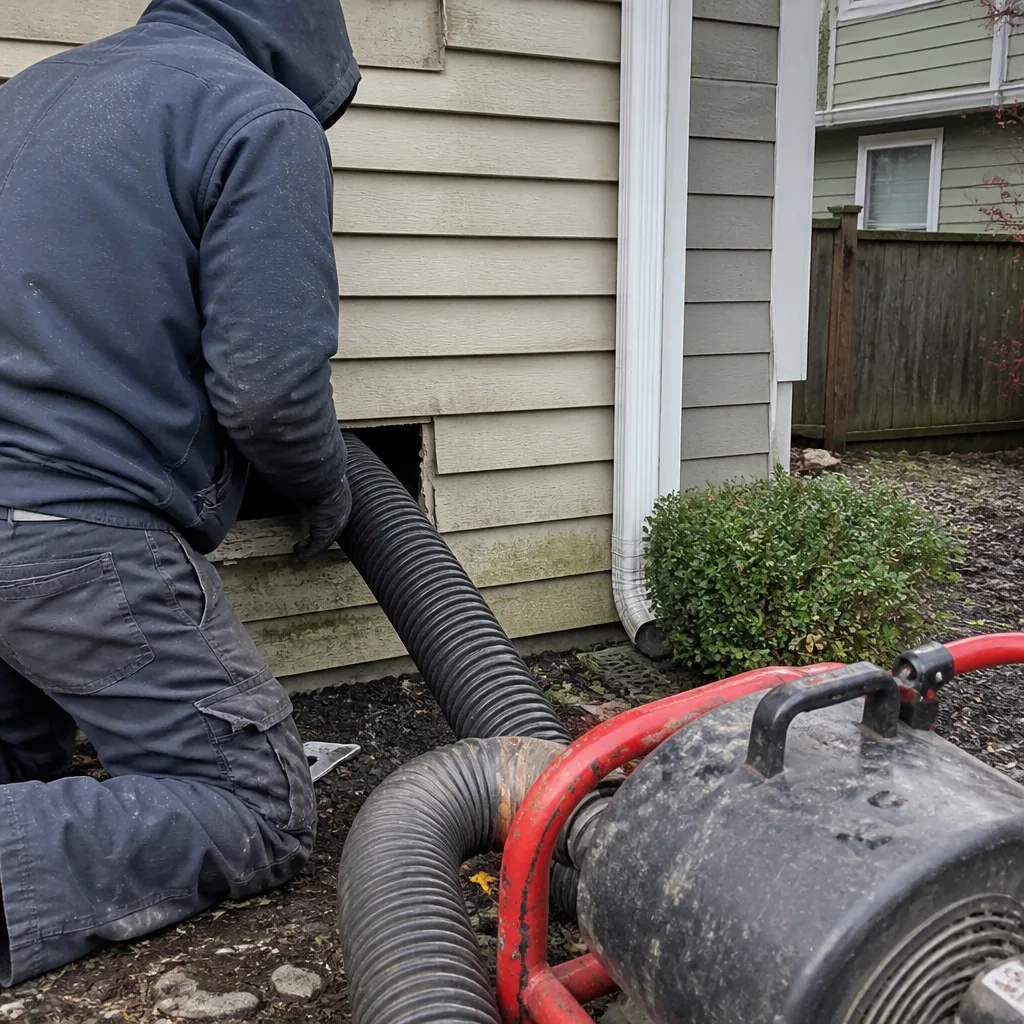 Before
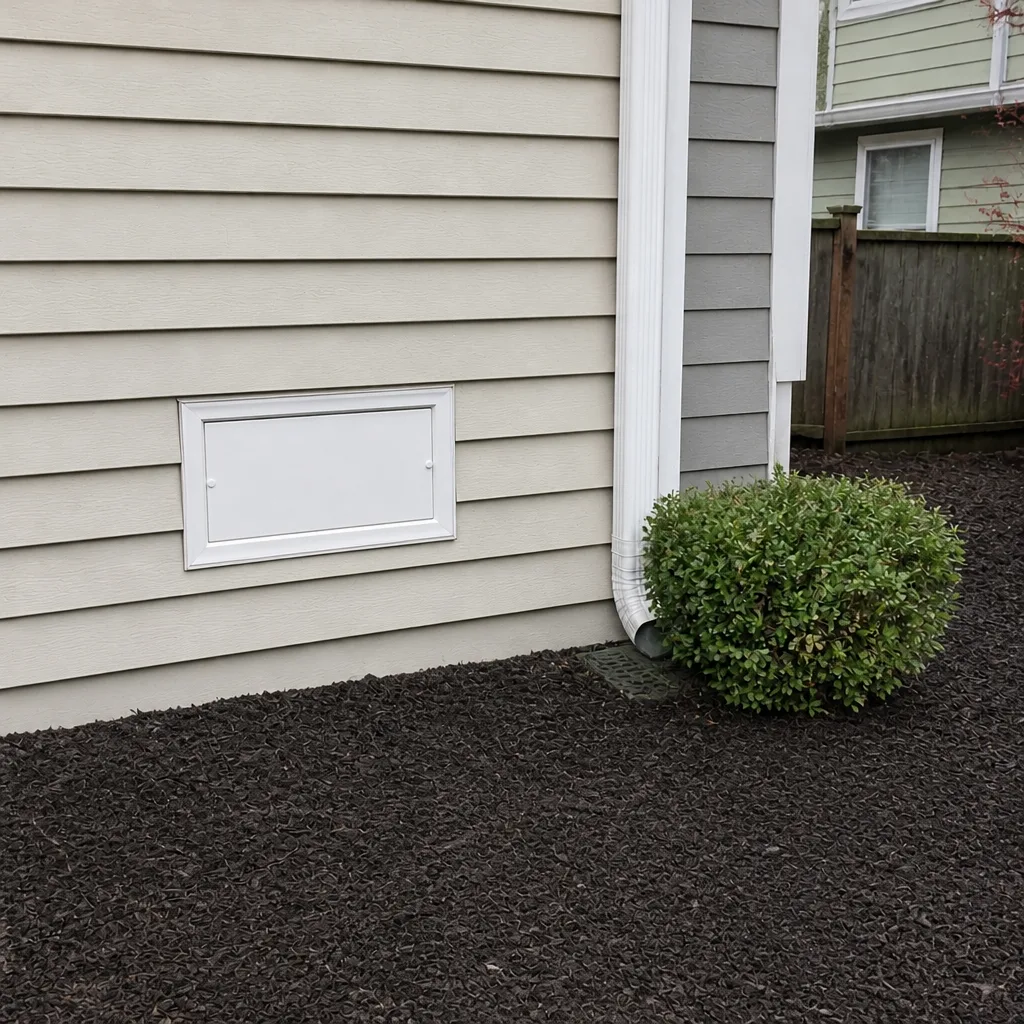 After
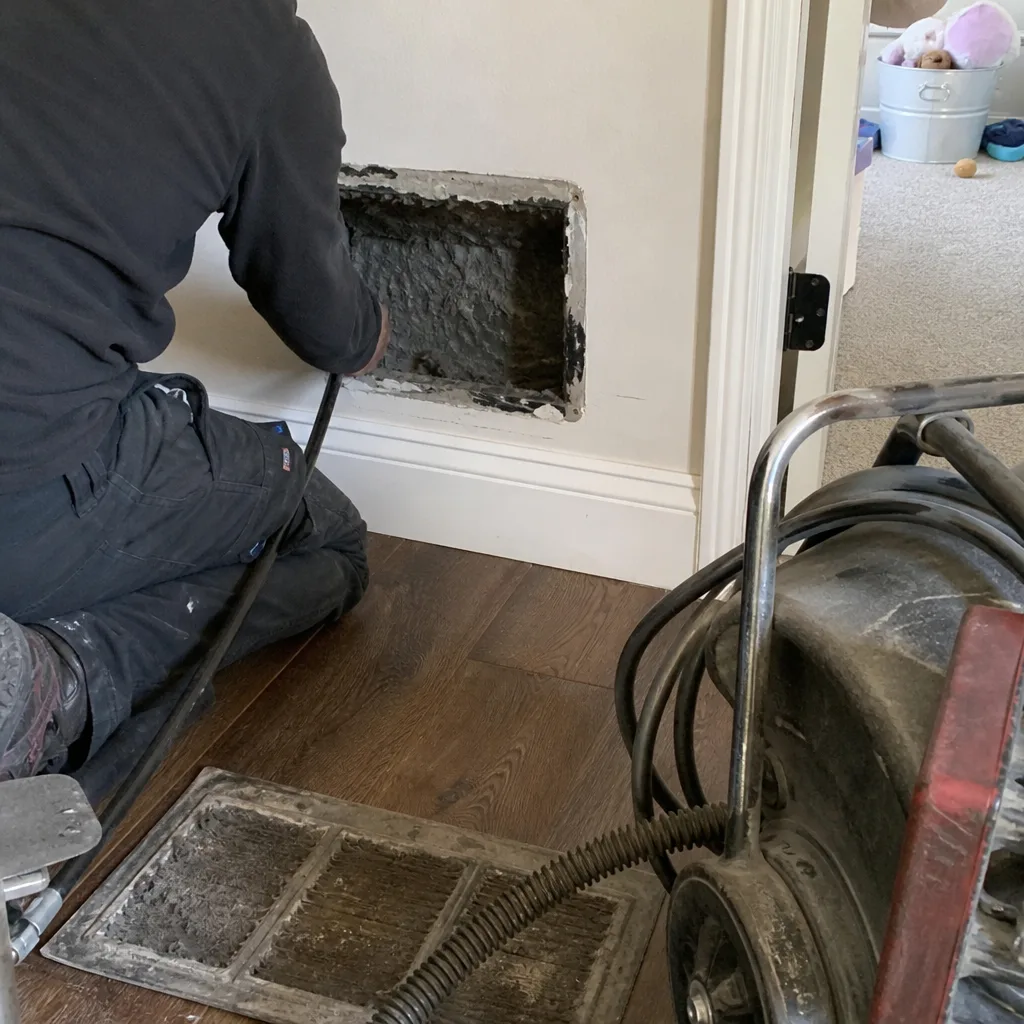 Before
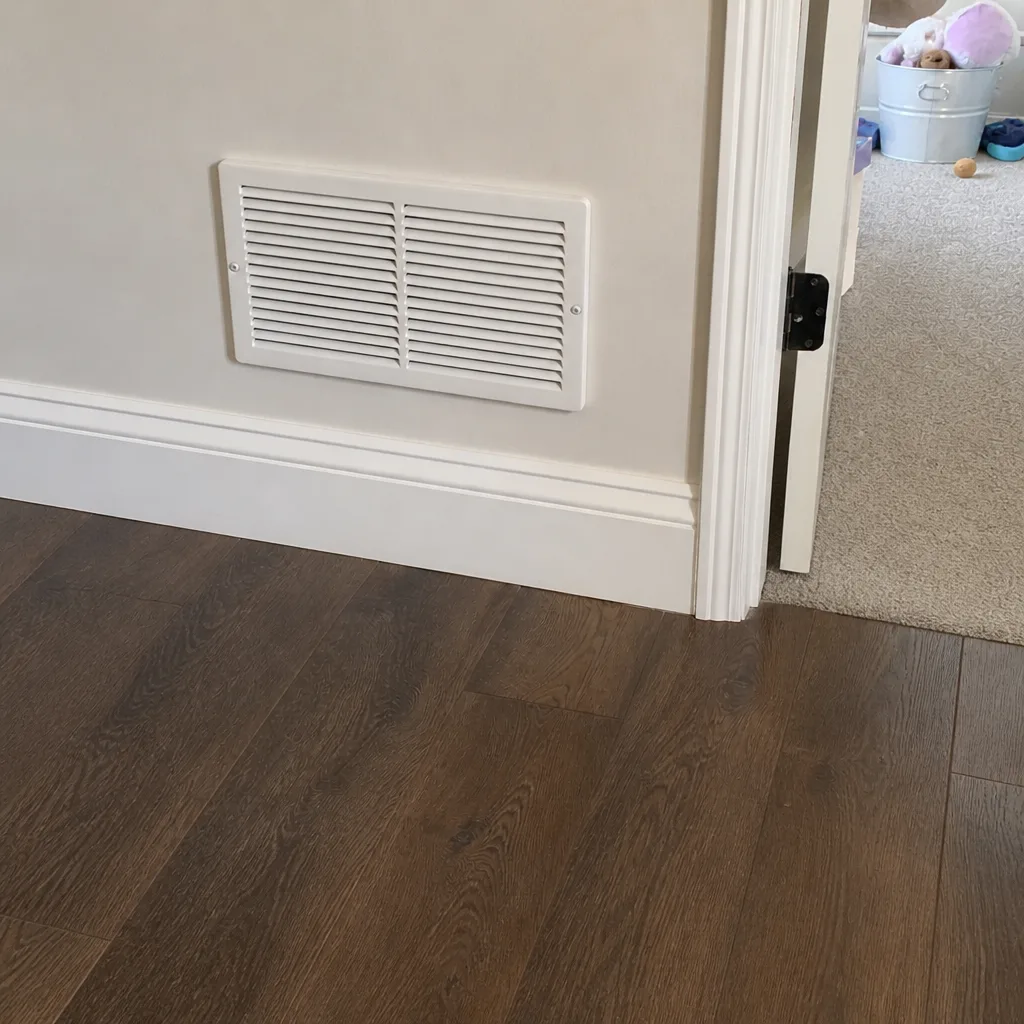 After
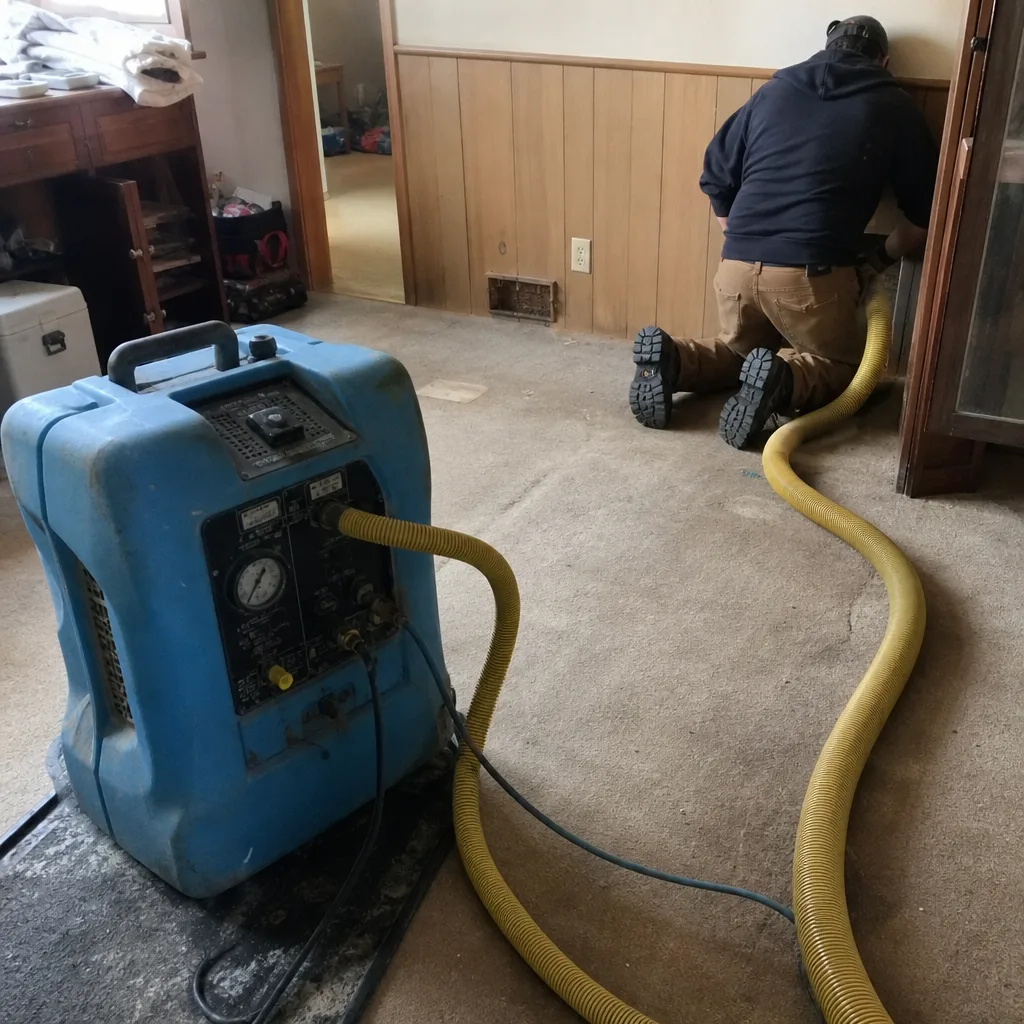 Before
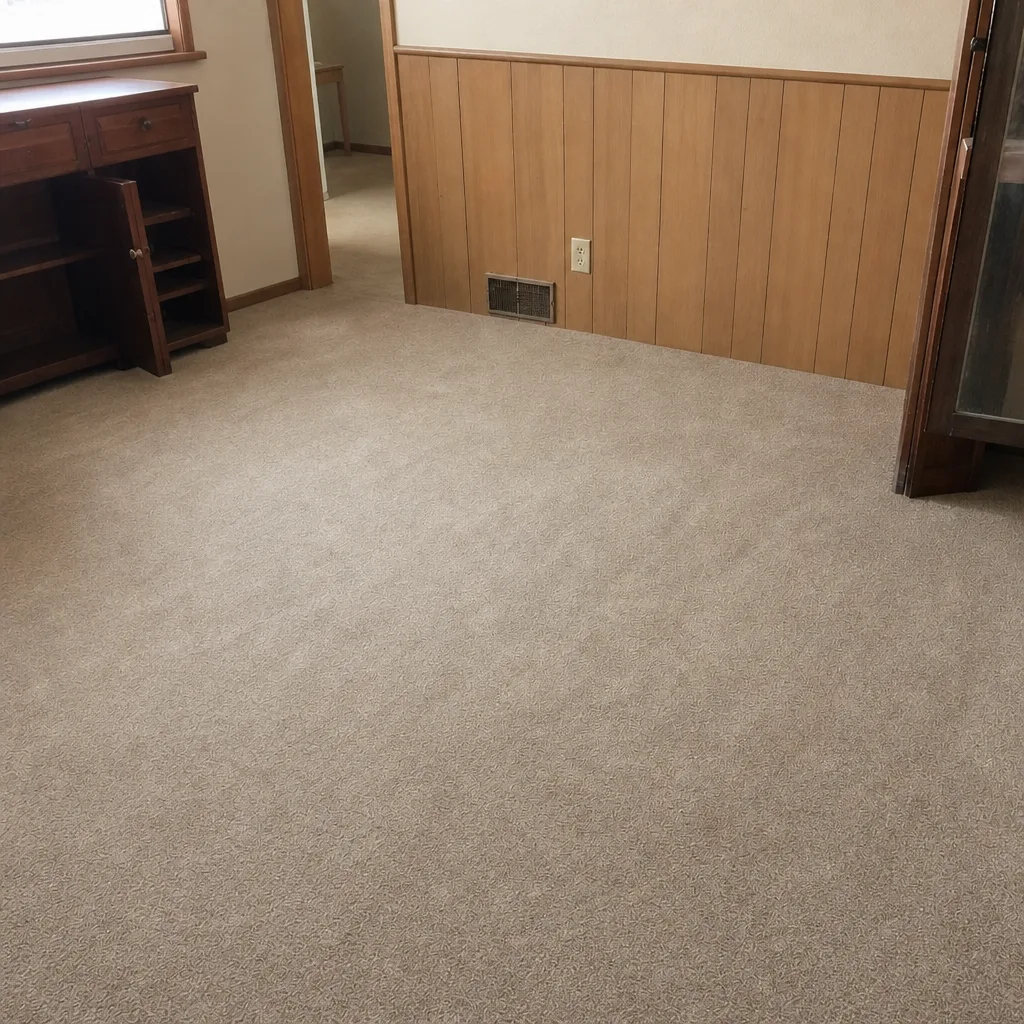 After
Common Mistakes to Avoid
- Following the 3 – 5 year rule without checking your own variables. It’s a starting point, not a schedule. Recalculate once a year based on pets, renovations and duct routing.
- Bundling dryer vent cleaning into the duct cleaning visit and calling it done. The two services protect different systems and follow different intervals. Dryer vent cleaning typically needs to happen more often than the ducts.
- Ignoring filter degradation trends. A filter that used to last twelve weeks and now lasts eight is telling you something changed. Treat it as your leading indicator.
- Assuming a newer home doesn’t need inspection. New construction sees plenty of building dust, drywall particulate and sometimes loose flex duct from rushed installs. Inspect the same way you would in an older home around Tacoma.
- Hiring whoever offers the lowest coupon price. A bait-and-switch price is the industry’s most common problem. A fair flat price per system, agreed in writing, is the right comparison.
- Skipping the post-renovation reset. Any remodel that opened walls or generated drywall dust pushes debris into the return system. Cleaning shortly after the project is right, and no scheduled interval replaces it.
- Treating visible register dust as the only signal. Dust around registers is normal within days of cleaning. The real signs are filter trends, duct condition in the crawlspace and room-specific dustiness.
When to Call a Professional
Call a professional at the point where your own inspection turns up something you can’t assess with a flashlight, at the point any reset event has happened, or when your calculated interval comes due. Specific triggers worth treating as a call: visible debris or clumping inside ducts you can access; sagging, torn or disconnected flex duct; evidence of pest intrusion; a water event that wetted any part of the system; a furnace filter trend that has shortened noticeably; or a dryer vent that’s showing any of the warning signs above. Duct Cleaning Tacoma offers free estimates in Tacoma. Call (888) 870-9539. We answer 24/7. Fast dispatch from 7am to 7pm, Sunday through Friday.
Frequently Asked Questions
There’s no single answer that applies to every home in Tacoma. A low-variable home with no pets, no recent renovations and ducts in conditioned space may go five years or more, while a home with pets, a recent remodel or crawlspace-routed ducts may need attention every two to three years. Calculate your interval based on your home’s specific variables rather than a default rule. Call (888) 870-9539 for an exact quote; estimates are free.
Pricing depends on the size of the system, the number of returns, accessibility of the duct runs and whether dryer vent cleaning or repair work is added. We price per system, not per vent, and the flat price is agreed before work starts. Expect the written estimate to set the final total, and compare that against any coupon price carefully – a figure far below the market usually means the work is being done with inadequate equipment or the price will grow once a technician is on site. Call (888) 870-9539 for an exact quote; estimates are free.
Because the work isn’t the same. A shop-vac and a brush is a $200 job on paper and no real cleaning in practice. A legitimate service uses mechanical agitation plus HEPA-filtered collection and negative-air containment, which means the equipment cost and labor time are higher. Before you book, ask what equipment the company uses and how pricing is structured. A flat price per system from a specialist is worth more than a coupon from a generalist. Call (888) 870-9539 for an exact quote; estimates are free.
Ask for before-and-after photos of your own ducts, taken during the service. Any legitimate cleaning company should be able to provide them without hesitation. Also check whether the company uses containment equipment (Abatement Technologies negative-air is one example), because that’s what prevents debris from being recirculated with the equipment running. If the answer doesn’t include both, the job isn’t finished even if the invoice says it is. Call (888) 870-9539 for an exact quote; estimates are free.
Yes, and it’s a fire-safety service, not a comfort upgrade. Lint accumulation in a dryer vent is a leading cause of residential house fires. Yearly cleaning is a sound starting point for most households, more often for high-use households or long vent runs. Don’t let it be absorbed into a duct cleaning visit three years out; treat it as its own scheduled service. Call (888) 870-9539 for an exact quote; estimates are free.
Your furnace filter. Filter degradation rate is the single best leading indicator that your ducts are loading faster than your schedule assumed. If a filter that used to last twelve weeks is now dirty at eight, that’s your signal to reassess the interval. Combine it with an annual walk-through of accessible register covers, visible flex duct and filter bypass gaps around the housing. Call (888) 870-9539 for an exact quote; estimates are free.
The Bottom Line
The right duct cleaning interval for your Tacoma home is the one built from your own variables, not a national default. Start with a five-year baseline, adjust for pets, smoking, renovation history and crawlspace duct routing, then confirm it with an annual walk-through and your filter-change trends. Dryer vent cleaning runs on its own schedule and shouldn’t be bundled into the duct cleaning visit. Any reset event (renovation, pest intrusion, water near the air handler, new pet) overrides your plan and makes cleaning due immediately. When your schedule says it’s time, prioritize a specialist who can prove the work with equipment, process and photos. For a free estimate on duct cleaning, dryer vent cleaning or duct repair, call Duct Cleaning Tacoma at (888) 870-9539. We answer 24/7. Fast dispatch from 7am to 7pm, Sunday through Friday.
Written by the team at Duct Cleaning Tacoma.