
Last updated November 15, 2026
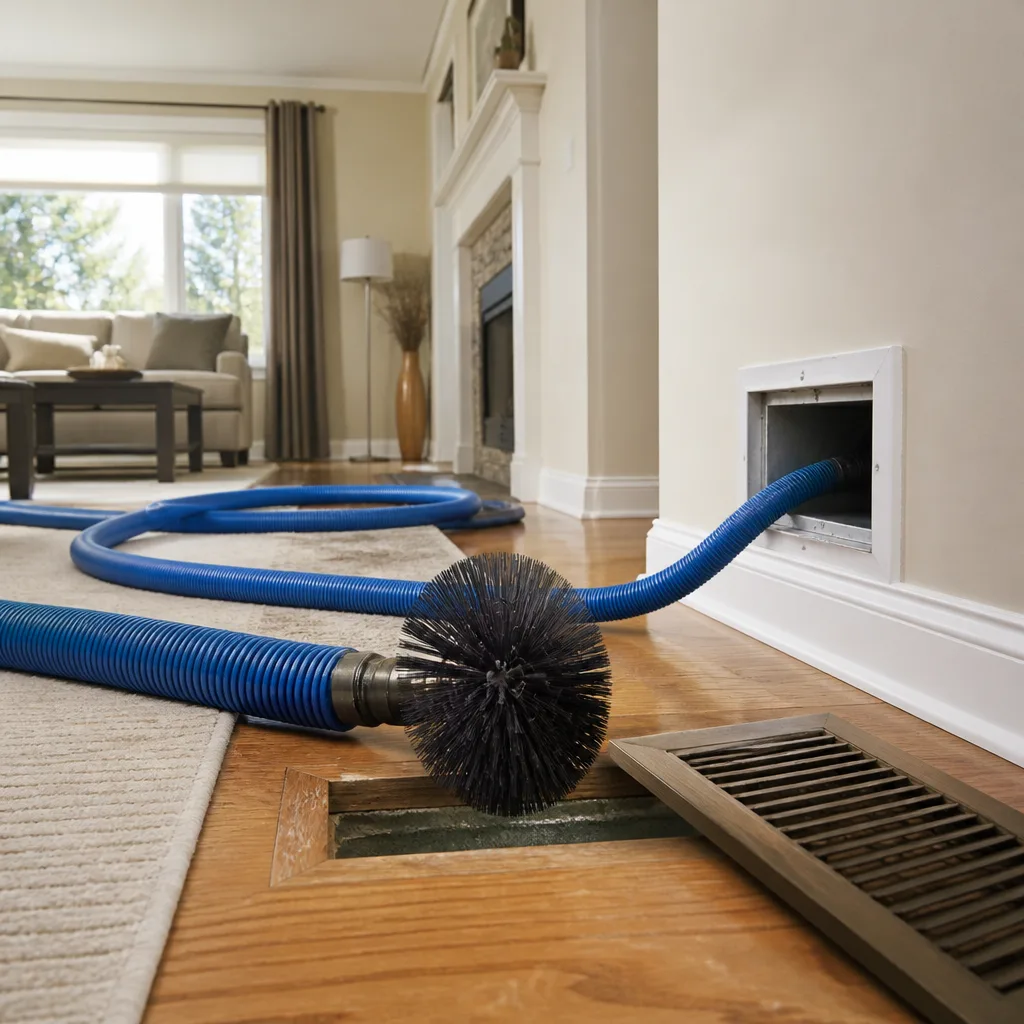 Whole-home duct cleaning
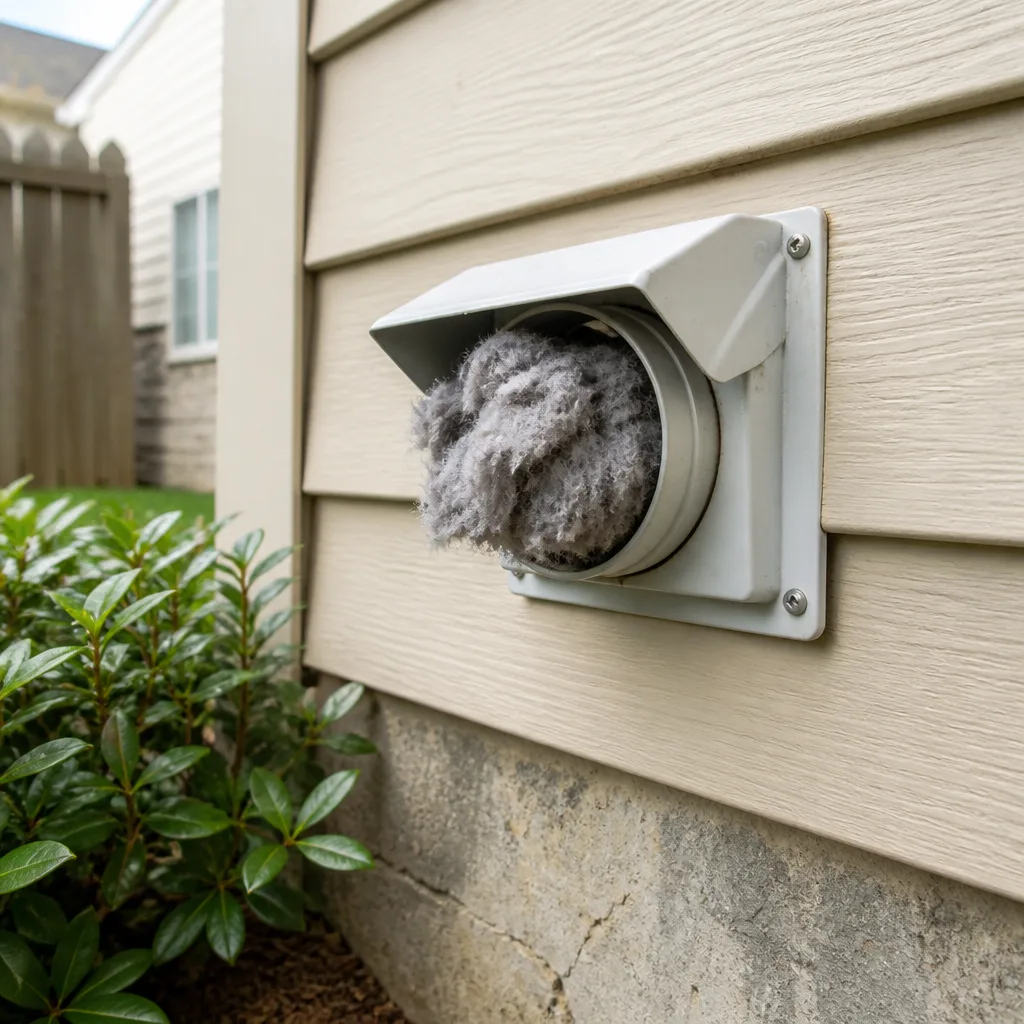 Dryer vent cleaning
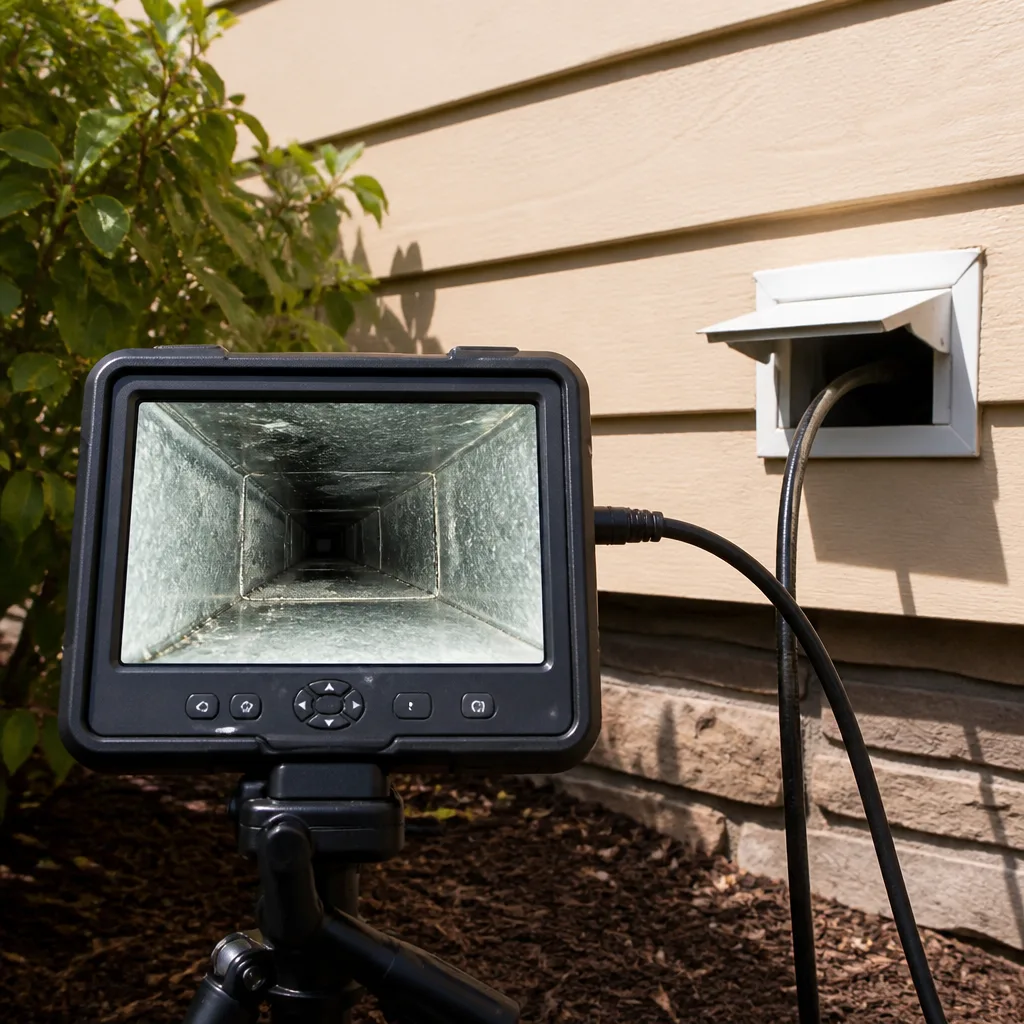 Camera inspection
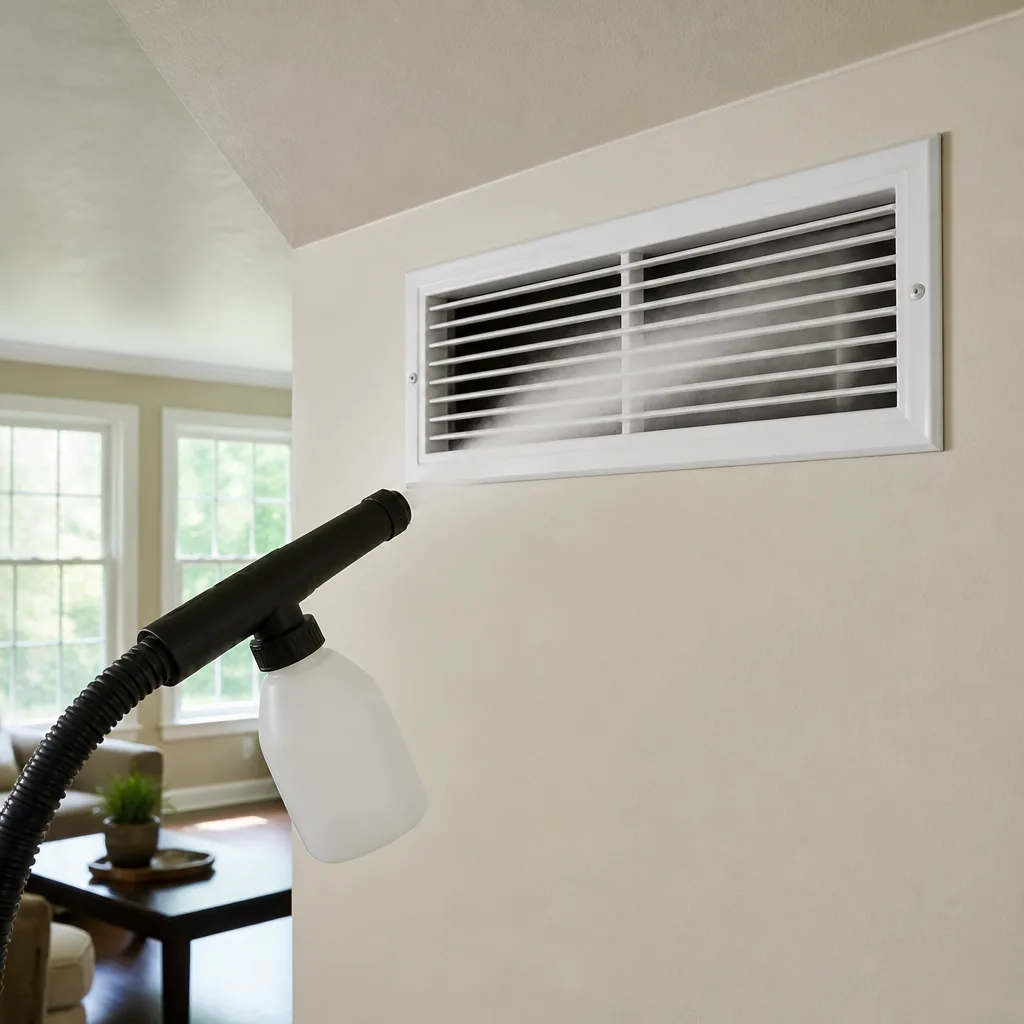 Sanitizing & deodorizing
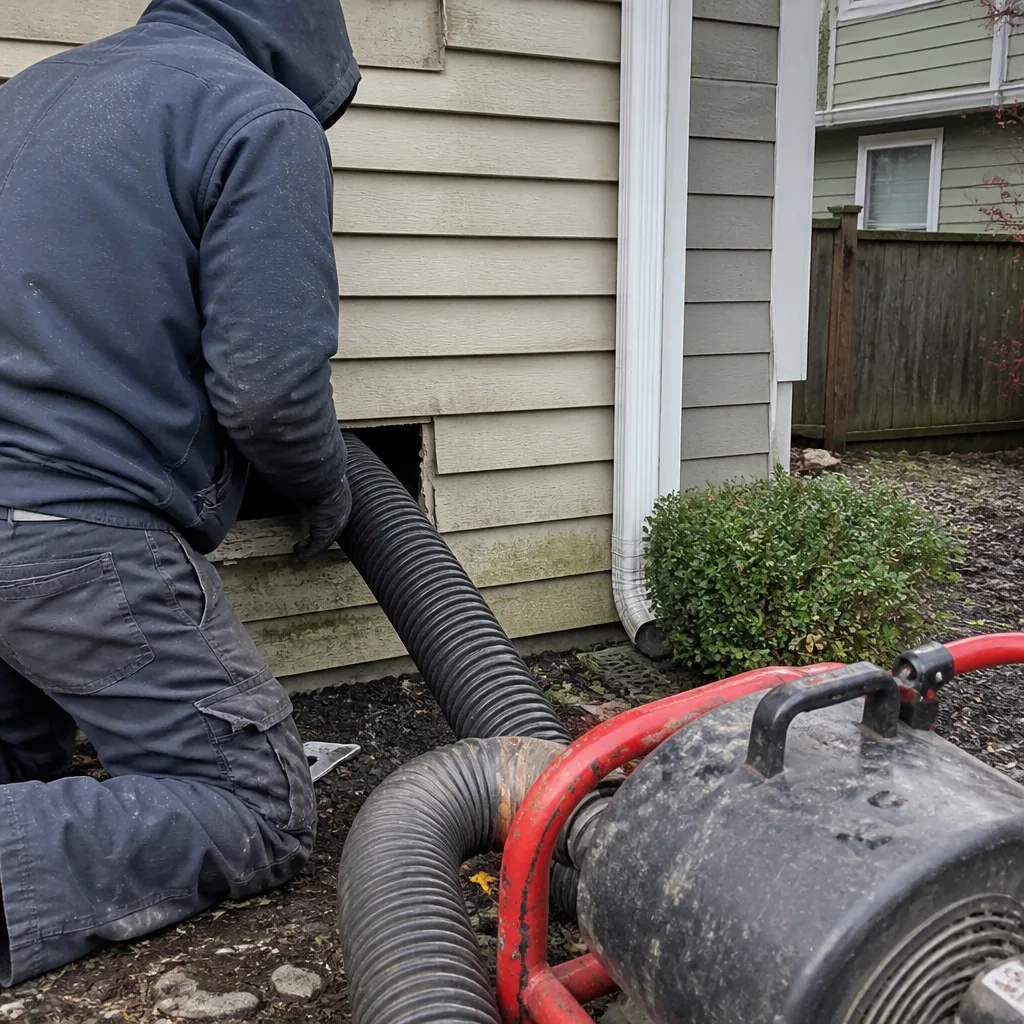
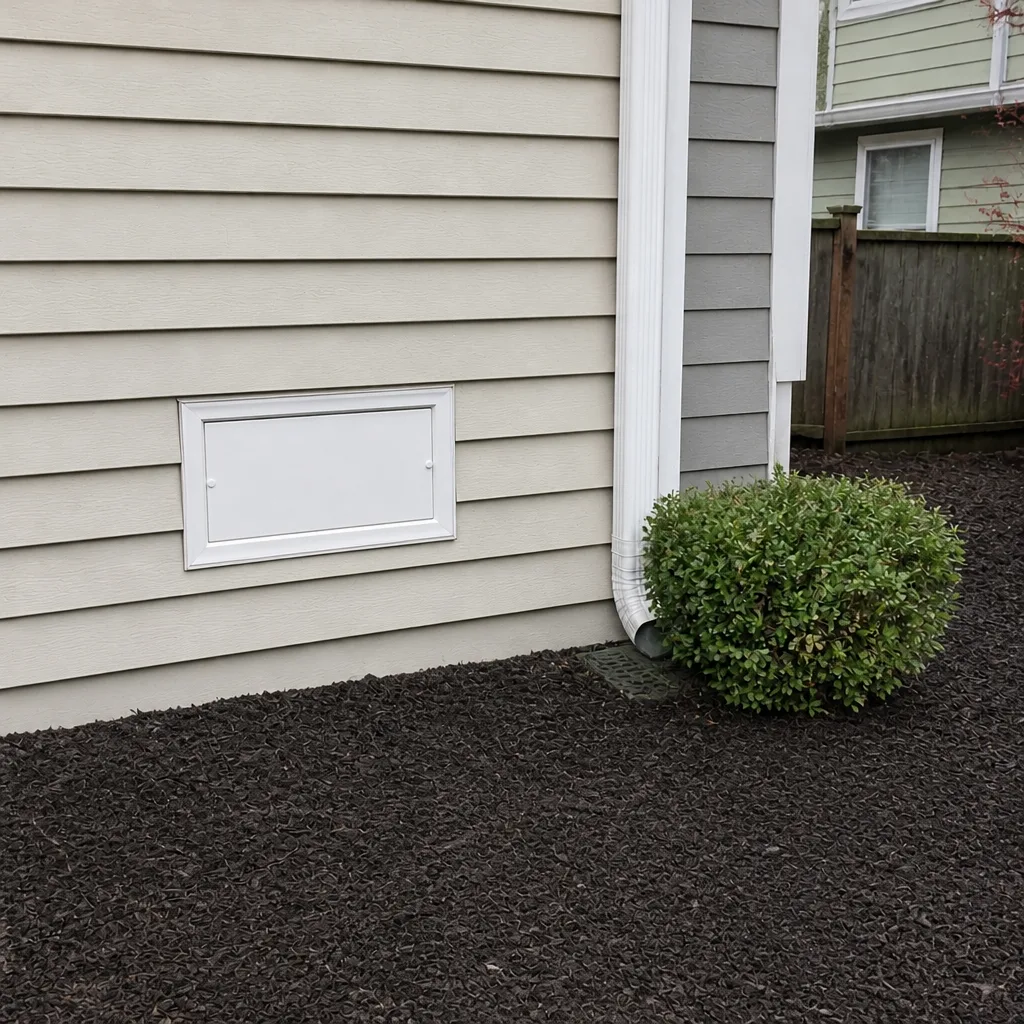
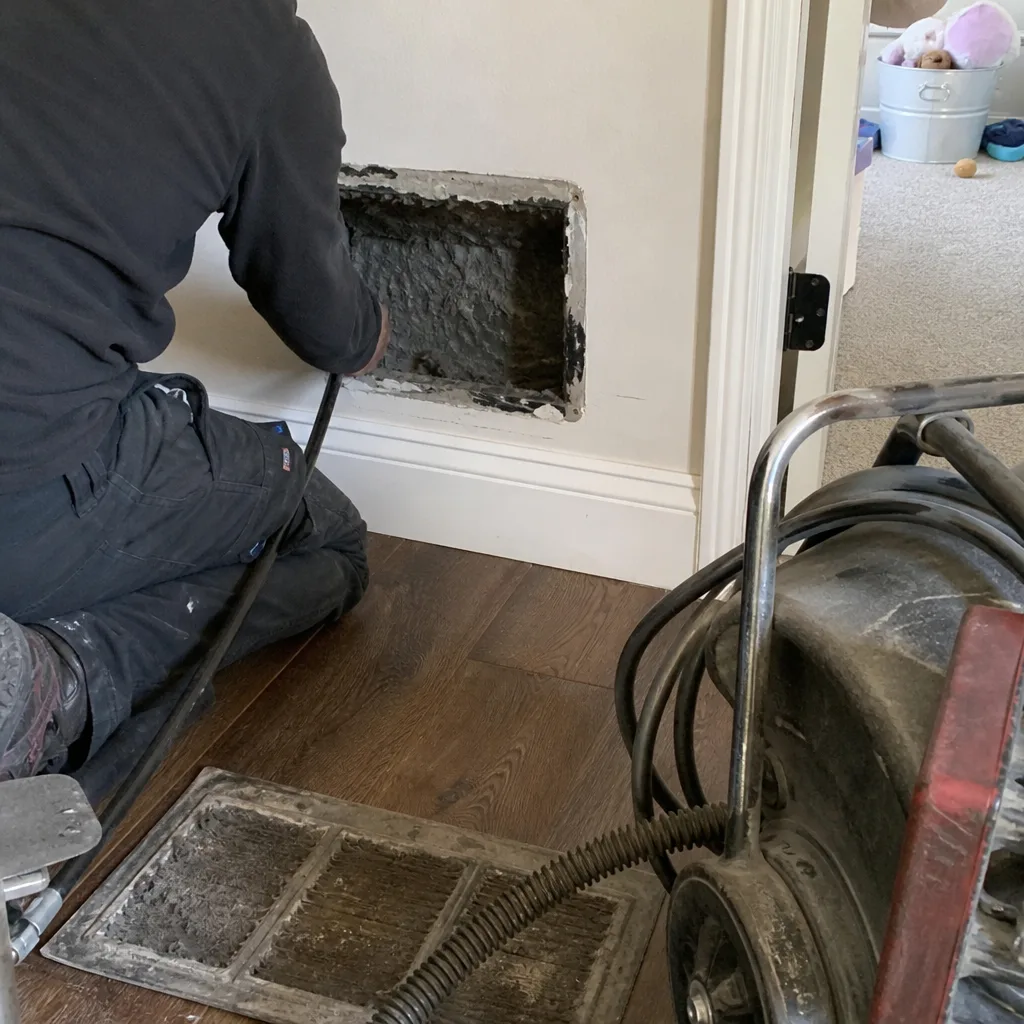
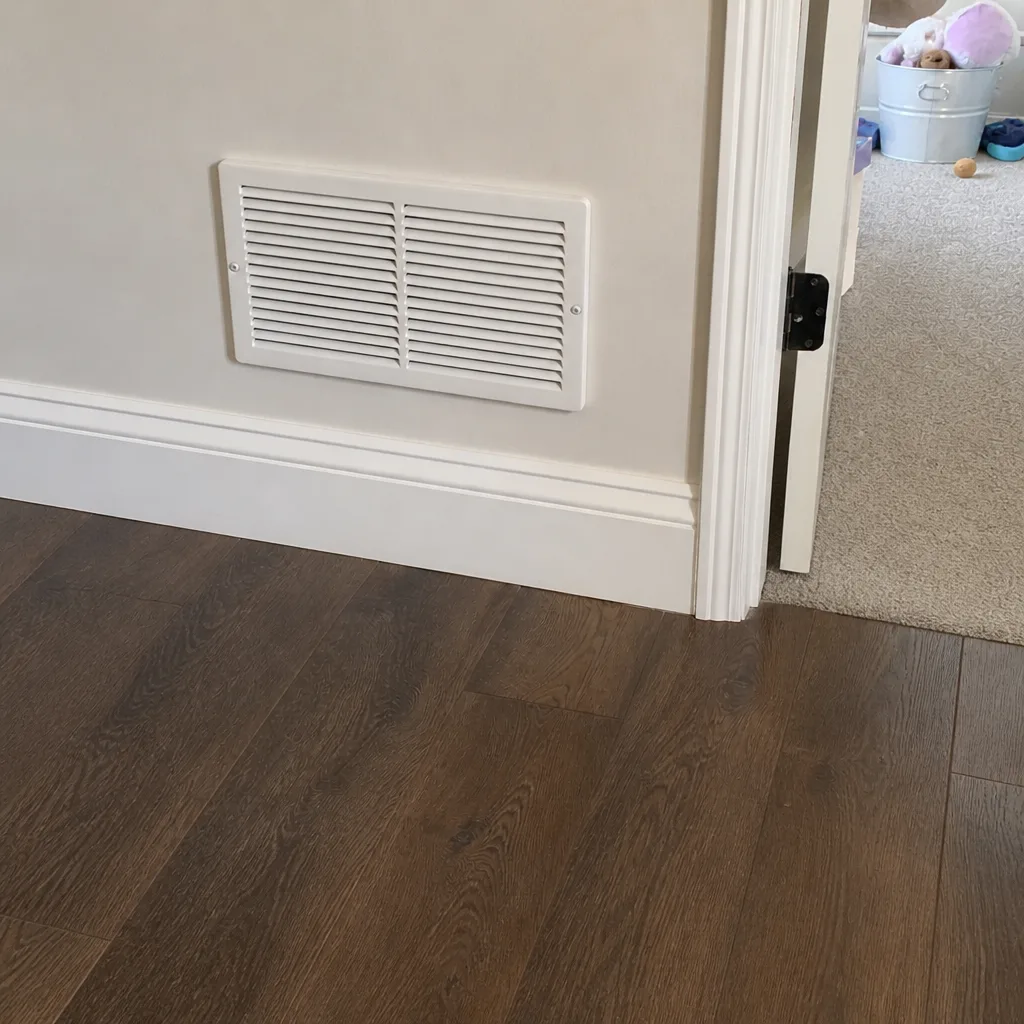
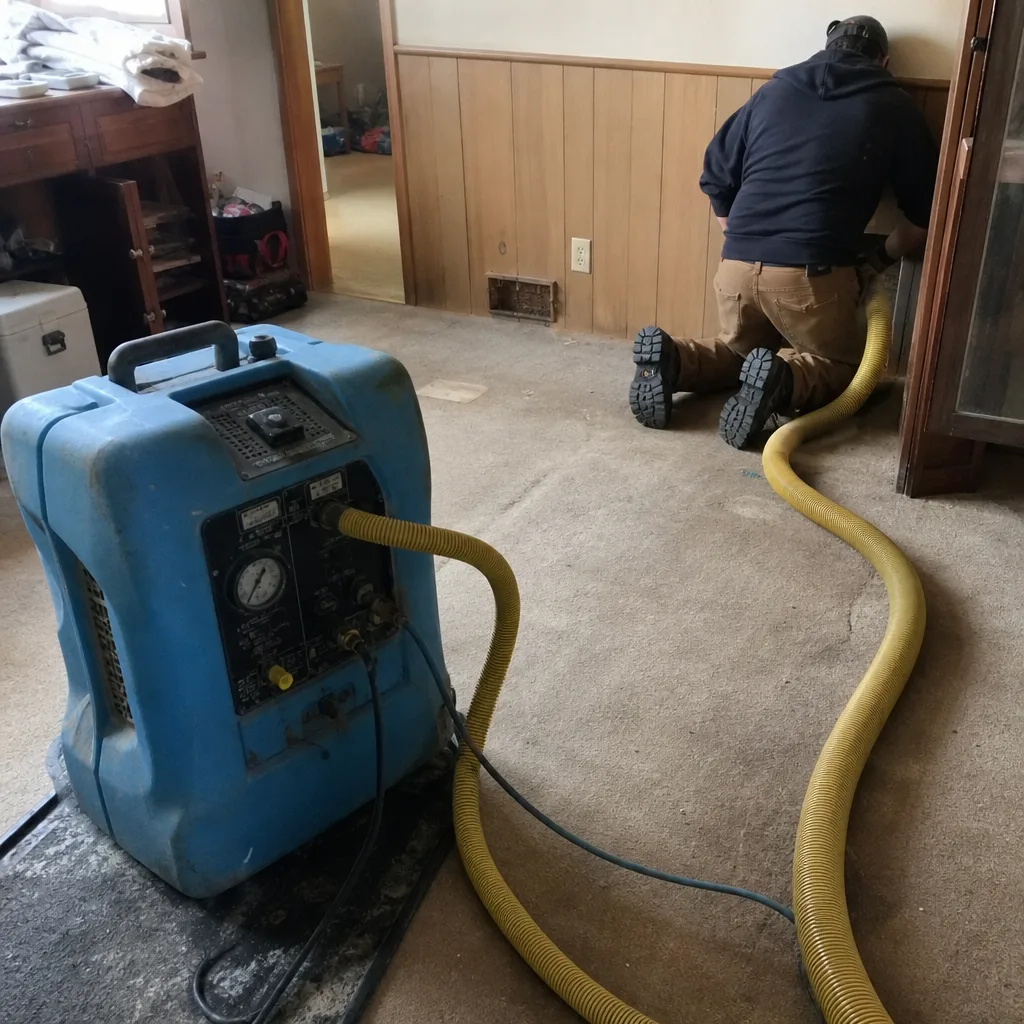
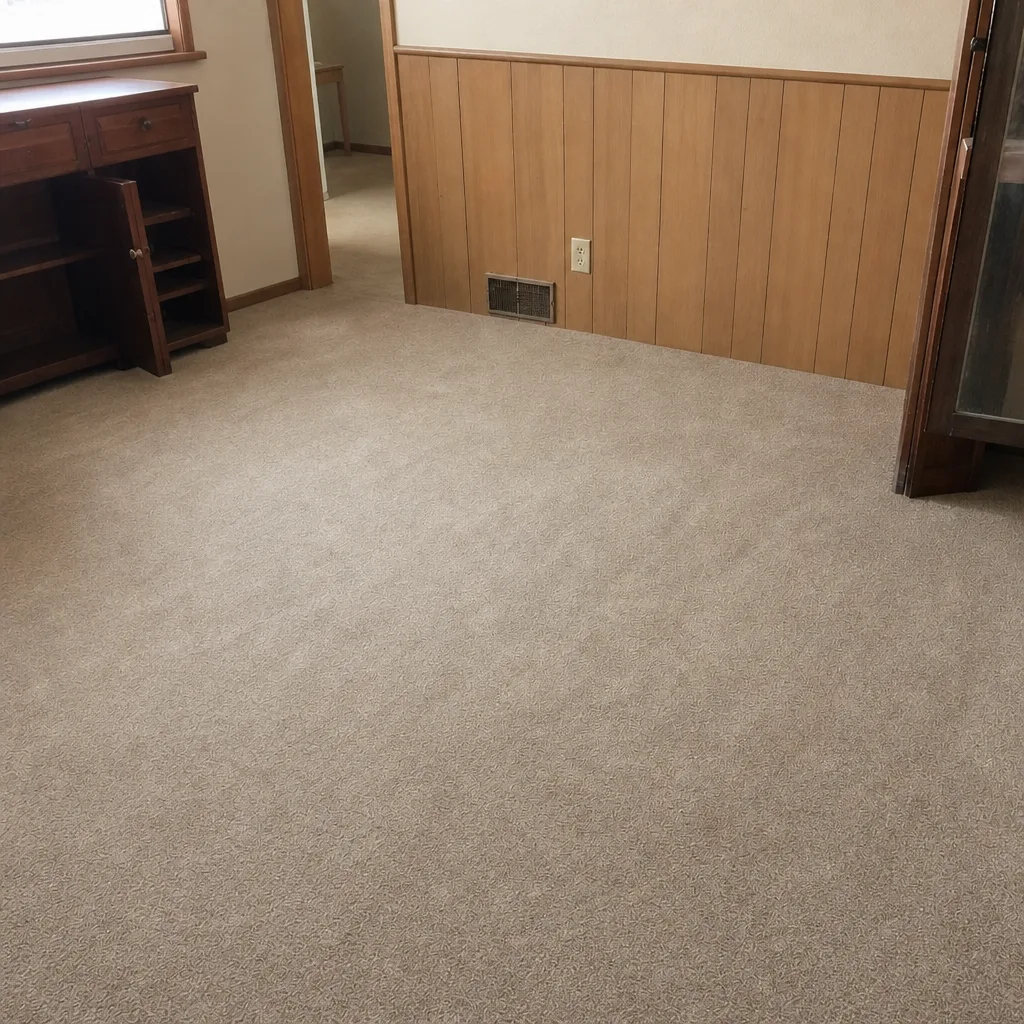
Whole-system duct and dryer vent check with before-and-after photos - you see exactly what came out of your vents
That "$99 whole-house special" is a bait ad - the real number appears once they are in your hallway, or the "clean" is a shop-vac at the register. We photograph the inside of your ducts before and after instead.
Air Duct Cleaning Cost Breakdown: The Tacoma Homeowner’s Reference for 2026
Here’s the part of the duct cleaning conversation almost nobody gets right: the price you’re quoted tells you almost nothing until you know what equipment shows up at your door and how much of your duct system it can actually reach. A low-priced offer and a fair-priced offer can both be called “air duct cleaning,” but one covers a few accessible branch runs and the other addresses the whole system including supply plenums, return air, and the bends in between. In Tacoma, where a lot of homes sit above crawlspaces with older flex duct and undersized access points, that gap matters even more. This guide breaks down what you’re buying at each price tier, line by line, so you can compare quotes that were never built to be compared.
Quick Answer
Air duct cleaning in Tacoma typically runs roughly $300 to $700 for an average whole-home system in 2026, with simple single-zone homes landing at the lower end and larger or multi-zone systems with difficult crawlspace access climbing toward the top. The figure is a whole-system estimate, not a per-vent price, and the written estimate you receive after the technician reviews your setup sets the final number. If a quote sounds dramatically cheaper than that range, ask what equipment it assumes and which parts of the system it includes.
Styles & brands we work with
- Whole-home duct cleaning
- Dryer vent cleaning
- Camera inspection
- Sanitizing & deodorizing
Table of Contents
- Why Air Duct Cleaning Price Ranges Are So Wide
- The Three Cost Tiers: What You’re Actually Buying
- Line-Item Transparency: How a Quote Should Be Built
- What Drives Price Variation in Tacoma Specifically
- The Upsell Math: UV Lights, Foggers, and Filter Upgrades
- How to Compare Quotes That Aren’t Structured the Same Way
- The Three-Year Window: Why the Cheapest Option Usually Costs More
- Common Mistakes to Avoid
Why Air Duct Cleaning Price Ranges Are So Wide
The range exists because “air duct cleaning” describes a category, not a method. Two companies can use the same phrase and mean completely different levels of service. One sends a technician with a portable vacuum and a hand brush. The other uses mechanical agitation equipment like a Rotobrush system paired with a HEPA-filtered collection unit and negative-air containment so dislodged debris gets captured instead of pushed back into your living space. Those are not the same job, and they were never going to cost the same.
A few structural factors explain most of the price spread you’ll see in Tacoma:
- Equipment class. Portable vacuums, truck-mounted negative pressure systems, and full mechanical agitation setups all perform differently and cost differently to run.
- Surface area actually cleaned. A handheld brush reaches what the technician can see and reach. Agitation tools work the full interior of each run, including bends where dust packs hardest.
- System size and complexity. Vent count, number of return runs, zoning, and whether the home runs flex duct or rigid metal all change labor time.
- Access. Crawlspace entries, attic runs, and tight plenum spaces add time. A difficult Tacoma crawlspace is not priced like an open basement.
- Scope boundaries. Some quotes cover supply vents only. Others include return air, the air handler cabinet, and the plenum. That’s a real difference in work, and in price.
None of this is mysterious once you see it laid out. The point is that a quote is only meaningful when it tells you which of these factors it assumes. A number without a method attached is a guess in both directions.
The Three Cost Tiers: What You’re Actually Buying
Think of the market as three tiers. The tiers aren’t about how trustworthy a company is. They’re about what a given price point physically supports in labor and equipment.
Tier 1: Portable Vacuum and Hand Brush
This is the lowest-cost work, and it reaches maybe the accessible branch runs and the face of each vent. A technician with a portable vacuum and a brush can clean what their arm and hose can touch. What they can’t reach is significant: the inside of bends, the return plenum, duct board lining, and the further runs of a long system. On a typical Tacoma home that leaves a substantial portion of the duct surface untouched. If the number you’re quoted is dramatically low, this is usually what’s behind it.
Tier 2: Negative Pressure and Source Removal
The next step up uses a collection unit like a Nikro HEPA-filtered vacuum to hold the system under negative pressure while the technician works from inside the runs. Debris comes loose and gets pulled to the collection unit rather than drifting into rooms. This is a real step up because it changes where the dust goes, not just how much of it gets disturbed.
Tier 3: Full Mechanical Agitation with Containment
The top tier adds powered agitation (Rotobrush-class equipment) that scrubs the interior of each run, combined with Abatement Technologies negative-air and HEPA containment to keep the workspace controlled. This is the tier that actually addresses the bends, the plenum, and the surfaces a brush can’t reach. It costs more because it takes longer and the equipment is professional-grade, not consumer-grade. If you want a full-system clean, this is the tier where that phrase is accurate. You can read more about what a thorough air duct cleaning job actually involves before you start calling around.
Line-Item Transparency: How a Quote Should Be Built
A quote you can trust breaks out its parts. Here’s a numbered framework for reading one, and for asking the right questions when a quote arrives as a single lump figure.
- System size and approximate square footage. A 1,800 square foot home and a 3,200 square foot home are not the same job. The quote should acknowledge yours.
- Number of supply vents and return grilles. Note these separately. Returns are often a bigger labor item than people expect because they move more air and collect more.
- Return air and plenum cleaning. Confirm in writing whether this is included or extra. This is one of the most common silent gaps between quotes.
- Duct type. Flex, rigid metal, and duct board work differently. Duct board in particular needs careful handling and limits how aggressively a technician can agitate.
- Access constraints. Crawlspace versus attic, access panel size, and number of systems should all be noted.
- Dryer vent as a separate scope. This is a distinct service with its own equipment and safety purpose. It should never be folded into a duct cleaning price as filler. Dryer vent cleaning addresses a leading cause of residential house fires, which is a different job with a different outcome.
- Duct repair findings. If the technician finds disconnected runs, crushed flex, or gaps at the plenum, that’s a repair line item, not a hidden surcharge. A company that can’t repair what it finds will simply not mention it.
We put every one of these factors into a written estimate before work starts, and the scope doesn’t change once the technician is on site unless you approve it. That’s the difference between a quote and a starting number.
What Drives Price Variation in Tacoma Specifically
Local conditions move the number more than most homeowners expect. Tacoma has its own set of them.
- Crawlspace access. A lot of Tacoma housing stock runs ductwork through crawlspaces rather than conditioned basements. Access hatches vary in size, the space underneath isn’t generous, and a technician working through a tight hatch takes longer than one working in an open room. Expect older neighborhoods with tighter lots to reflect that.
- Older flex duct systems. Flex duct is common in homes built and renovated across the past several decades, and it sags, kinks, and collects dust in ways that rigid metal doesn’t. Kinked sections trap debris and sometimes need repair, which can push a cleaning estimate into repair territory.
- Homes over 2,500 square feet. Bigger homes mean more runs, more vents, and more labor. Past that threshold, the whole-system estimate steps up noticeably.
- Multi-zone systems. A home with two air handlers or a zoned system has essentially two systems to clean, even under one roof. Pricing has to account for that.
- Damp, mild climate. Tacoma’s cool, wet stretches keep crawlspaces humid for much of the year, which is one reason we look closely at duct condition during cleanup. Damp conditions are hard on duct board and flex alike, so the assessment matters as much as the cleaning.
This is where a general HVAC company that cleans ducts as an add-on tends to stumble. A specialist who works in Tacoma crawlspaces regularly prices that access correctly from the first call, instead of discovering it on site and adjusting the invoice.
The Upsell Math: UV Lights, Foggers, and Filter Upgrades
This is the section worth bookmarking, because it’s where a reasonable cleaning job can balloon at the door. Add-ons aren’t automatically bad, but you should know what each one actually does before you agree to it.
- UV lights. A UV fixture installed in an air handler can serve a purpose in specific setups, but it addresses the air passing directly in front of it, not the whole duct system. It’s a component decision, not a cleaning upgrade. We work with Honeywell and Aprilaire components and will tell you honestly when one makes sense for your system and when it doesn’t.
- Sanitizer foggers. A fog treatment is a surface application. It doesn’t remove the dust and debris that a mechanical clean does. If a technician is pushing a fogger before the ducts are actually swept, you’re paying for a smell, not a result.
- HEPA filter upgrades. Filter upgrades depend entirely on what your air handler can handle. Putting a restrictive filter into a system not designed for it can make airflow worse. This is where we look before we recommend.
The discipline to apply: any add-on should answer a question you actually have about your system, not a question invented at the kitchen table to close a sale. If an upsell is being priced before the ducts are opened and inspected, that’s a signal.
How to Compare Quotes That Aren’t Structured the Same Way
This is the hardest part and the most useful skill in this whole guide. Quotes arrive in three common formats, and they hide their real scope in different places. Here’s how to normalize them.
- Flat-rate quotes. Easiest to compare, provided the scope is written. Ask directly: does this include return air, the plenum, and dryer vent? Get it in the estimate.
- Per-vent quotes. These look comparable until you notice some count only supply vents and some count supply plus return. Ask how many vents are being counted and which ones. A per-vent quote that ignores returns is covering less than it appears to.
- Hourly quotes. These are the most open-ended. Ask for an estimate of hours and what equipment is included. An hourly rate with handheld equipment and an hourly rate with agitation and containment are not the same labor.
Then normalize everything to one question: what is the total estimated cost to clean my entire system, including returns, with what equipment, and what’s excluded? Line up three quotes on that single line and the differences stop being mysterious.
A comparison checklist you can bring to the call
- Equipment named? (Portable vacuum, HEPA collection, agitation, containment?)
- Return air and plenum included in the scope?
- Number of systems and vents confirmed on paper?
- Dryer vent quoted separately?
- Duct repair handled by the same company or referred out?
- Before-and-after photos of your own ducts promised?
- Written estimate signed before work starts?
We’ll walk through these questions with you on the phone before we ever send anyone out, because a quote built around answers is worth more than a quote built around a price tag. That applies whether you’re in a Tacoma bungalow or managing a rental property. If you want to see how the whole process fits together, our duct cleaning Tacoma overview covers the workflow.
The Three-Year Window: Why the Cheapest Option Usually Costs More
A cheap cleaning feels like a win the day it happens. Over a three-year window it usually isn’t, and here’s why without pretending we can put a number on your specific home.
Work that only reaches a portion of the system leaves the untouched portion exactly as it was. The dust that was packed into the bends, the plenum, and the duct board lining stays put and keeps circulating every time the system runs. Within a season or two, the cleaned sections collect dust again from the flow moving past the uncleaned ones, and you’re back at the starting point sooner than you should be. Paying more once for a full-system mechanical clean usually means going longer before the next cleaning is needed. The math favors doing it right.
The same logic applies to duct integrity. A cleaning leaves disconnected runs, crushed flex, and gaps at the plenum exactly as they are. Those gaps pull unfiltered air from the crawlspace back into the system, and no amount of cleaning fixes that. We repair what we find because a cleaning on a compromised system doesn’t hold. That’s why we treat air duct repair as its own service rather than a sales pitch. Our technicians have up to 10 years of experience with duct systems specifically, not as a sideline to plumbing or general HVAC work, and that focus is what lets us spot the difference between a job that will hold and one that won’t.
Common Mistakes to Avoid
- Buying on the lowest number alone. A low quote is only good value if the scope matches the job. Get the equipment and scope in writing, or the number means nothing.
- Accepting a per-vent price without asking which vents. Supply vents are only half the picture. Return air is where a lot of dust sits, and a quote that skips it is covering less work than its per-vent price suggests.
- Skipping dryer vent cleaning because ducts were cleaned. They’re separate services with separate purposes, and the dryer vent carries a real fire-safety dimension that duct cleaning doesn’t address.
- Letting a technician talk you into a UV light or fogger before the ducts are open. Add-ons should answer a question your system has, not a sales target. Ask what the component does for your specific setup.
- Not asking about crawlspace access up front in Tacoma. A company that prices as if your ducts are in a conditioned basement will adjust the invoice once they’re under the house. Ask about access when you book.
- Assuming cleaning fixes a disconnected duct. If a run is crushed or disconnected, cleaning it doesn’t help. The repair has to come first or alongside the cleaning, and a cleaning-only operator can’t do that.
- Skipping before-and-after photos. You have every right to see what was done inside your own ducts. A company that can’t show you its work is asking you to take it on faith.
See the difference
 Before
 After
 Before
 After
 Before
 After
When to Call a Professional
Some situations make a professional visit worthwhile regardless of how the system looks from the vents. If you’ve noticed a visible dust film building on surfaces more quickly than it used to, there’s a reason worth investigating. If a partial or home cleaning was done with handheld equipment and you’ve since wondered whether it held, a full-system assessment will tell you. If your system runs through a cramped Tacoma crawlspace and duct condition was never verified, that’s worth a look. If the dryer now takes noticeably longer to dry a load, that’s a safety question, not just a convenience one. And if you’ve recently moved into a home and don’t know the duct history, start with an inspection. Duct Cleaning Tacoma offers free estimates in Tacoma, and you can reach us at (888) 870-9539. One flat price per system is agreed from the written estimate before any work begins.
Frequently Asked Questions
For an average whole-home system in Tacoma in 2026, expect roughly $300 to $700 depending on system size, access, and scope, with larger or multi-zone homes at the higher end. The written estimate sets the final price, and it’s based on the whole system, not per vent. Call (888) 870-9539 for an exact quote. Estimates are free.
Cheaper quotes usually mean less equipment and less reach: a portable vacuum and a brush instead of mechanical agitation with HEPA containment, supply vents only instead of the full system, returns and plenum left out entirely. Nothing sinister, just a smaller job called the same name. Ask what equipment and which parts of the system a low quote includes before you compare it to anything. Call (888) 870-9539 to walk through a quote side by side with ours.
You should see before-and-after photos of your own ducts, not stock images. Ask for them at booking and confirm the technician will take them during the job. In our process, containment equipment and a documented clean make the work visible, and we show it to you. Call (888) 870-9539 if you’d like to know exactly what that looks like for your home.
There’s no single clock that fits every home. If you’ve just moved in and don’t know the history, if you’ve renovated, if a handheld cleaning was done previously, or if dust is building faster than it used to, that’s when a full-system clean is worth scheduling. Most homes don’t need it annually. Call (888) 870-9539 and we’ll help you think through the timing rather than sell you a schedule.
No. Dryer vent cleaning is a separate service with its own equipment, and it matters for safety, not just efficiency, since a clogged dryer vent is tied to a leading cause of residential house fires. It’s quoted as its own line item so you can see exactly what it costs. Call (888) 870-9539 for details on both.
That’s exactly why we treat duct repair as its own service. A cleaning on a compromised system doesn’t hold, so if a run is crushed, sagging, or disconnected, we show you and price the repair separately before anything happens. You decide what to approve. Call (888) 870-9539 to book an assessment that includes both.
The Bottom Line
The number you’re quoted for duct cleaning only means something when it’s tied to equipment, scope, and method. Tier-one handheld work covers a fraction of the system and rarely holds; a full mechanical clean with proper containment reaches the bends and plenums where dust actually lives. Get quotes broken into system size, vents, return air, plenum, and dryer vent as a separate scope, then compare them on that basis. Ask about crawlspace access up front in Tacoma, treat UV lights and foggers as decisions, not upgrades, and insist on photos of your own ducts. In the long run, the fair-priced full-system clean tends to be the cheaper one. Reach Duct Cleaning Tacoma at (888) 870-9539 for a free estimate. We answer 24/7. Fast dispatch from 7am to 7pm, Sunday through Friday.
Written by the team at Duct Cleaning Tacoma.