
Last updated November 15, 2026
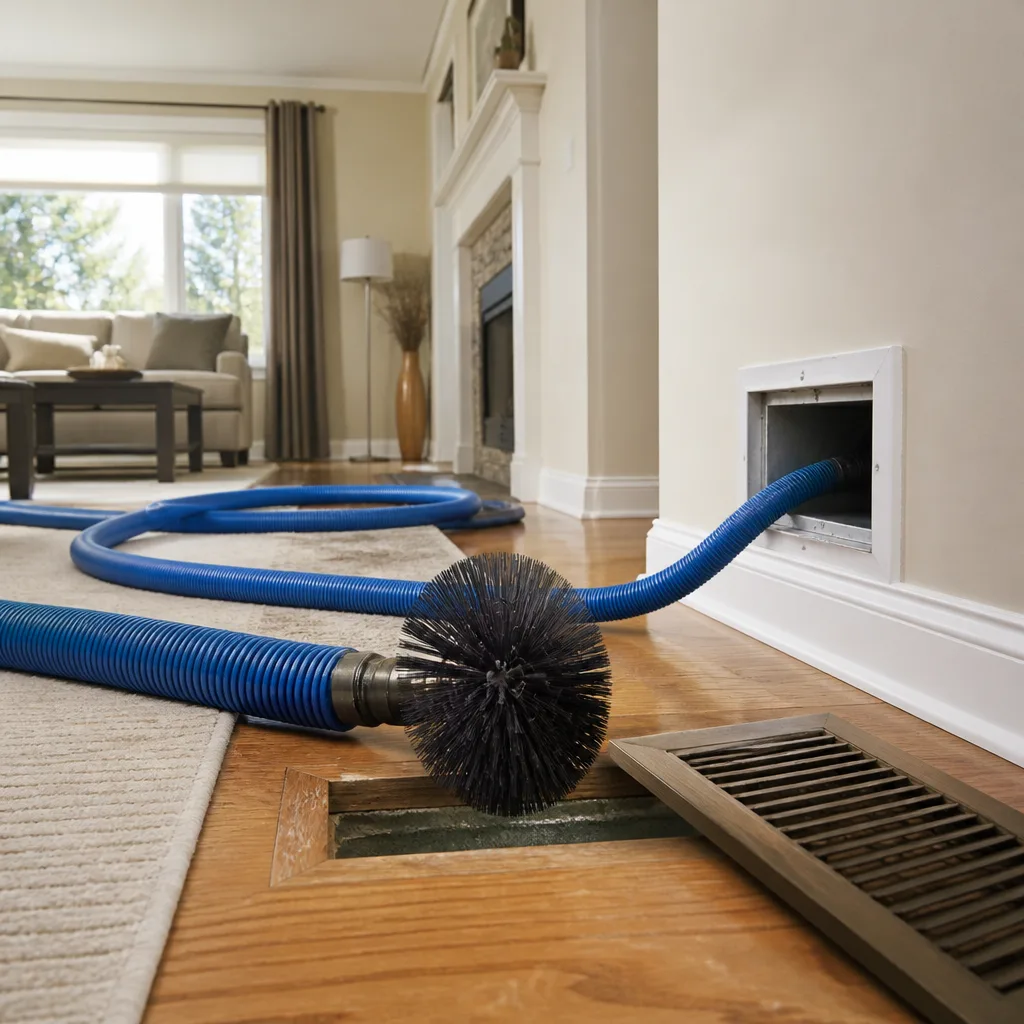 Whole-home duct cleaning
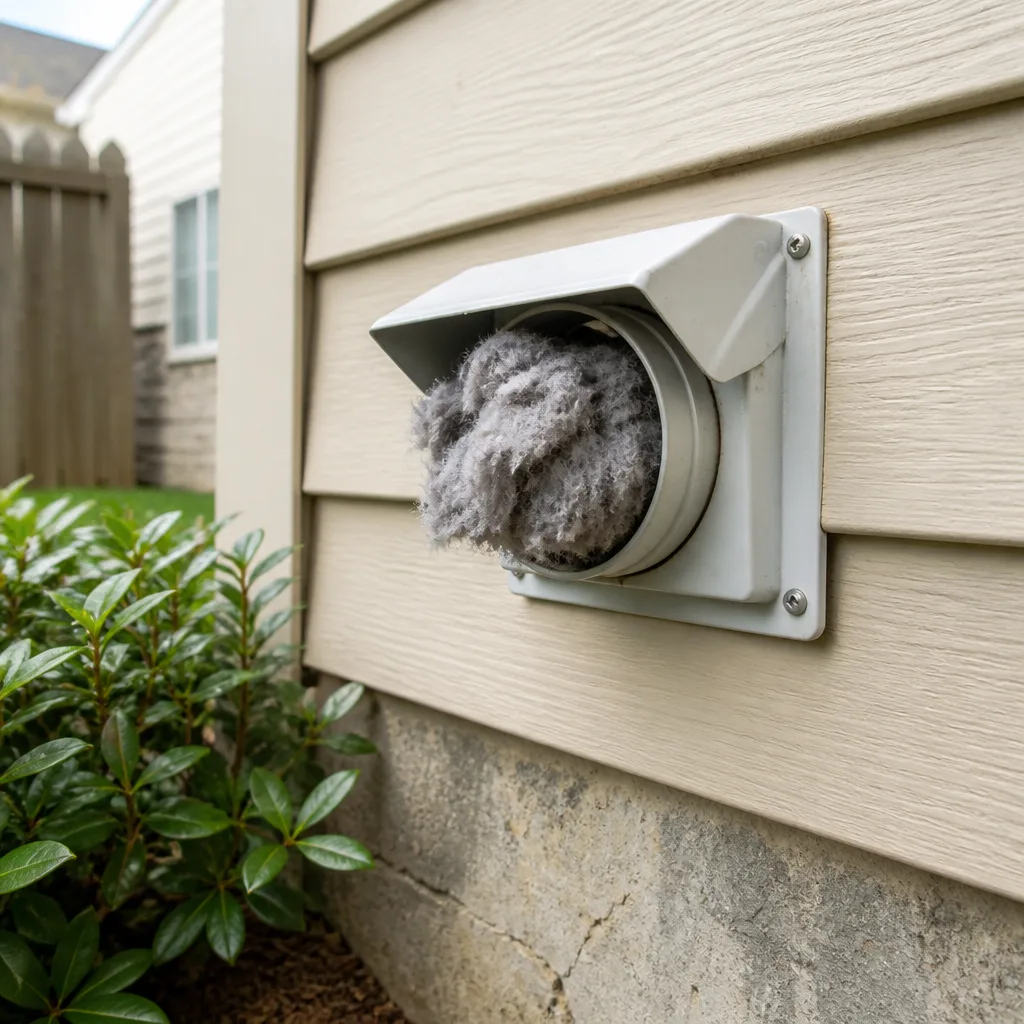 Dryer vent cleaning
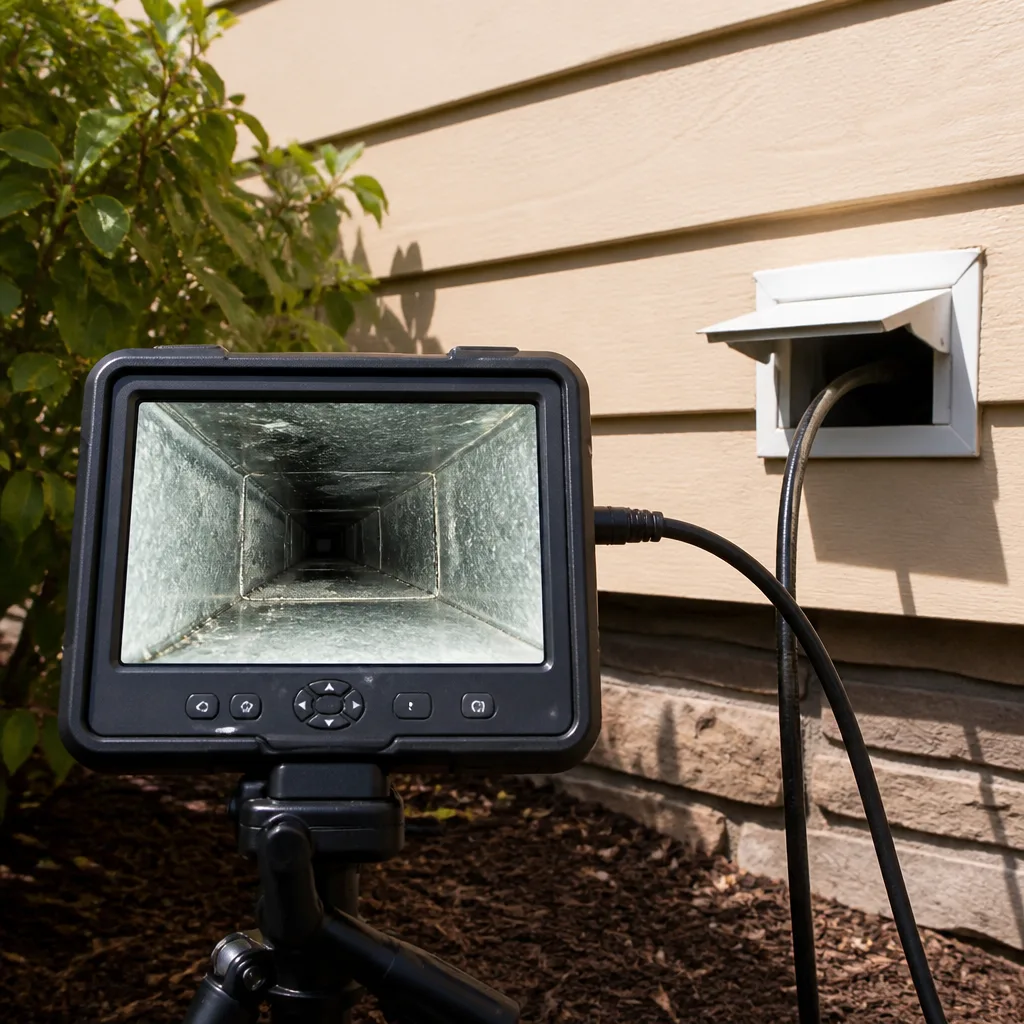 Camera inspection
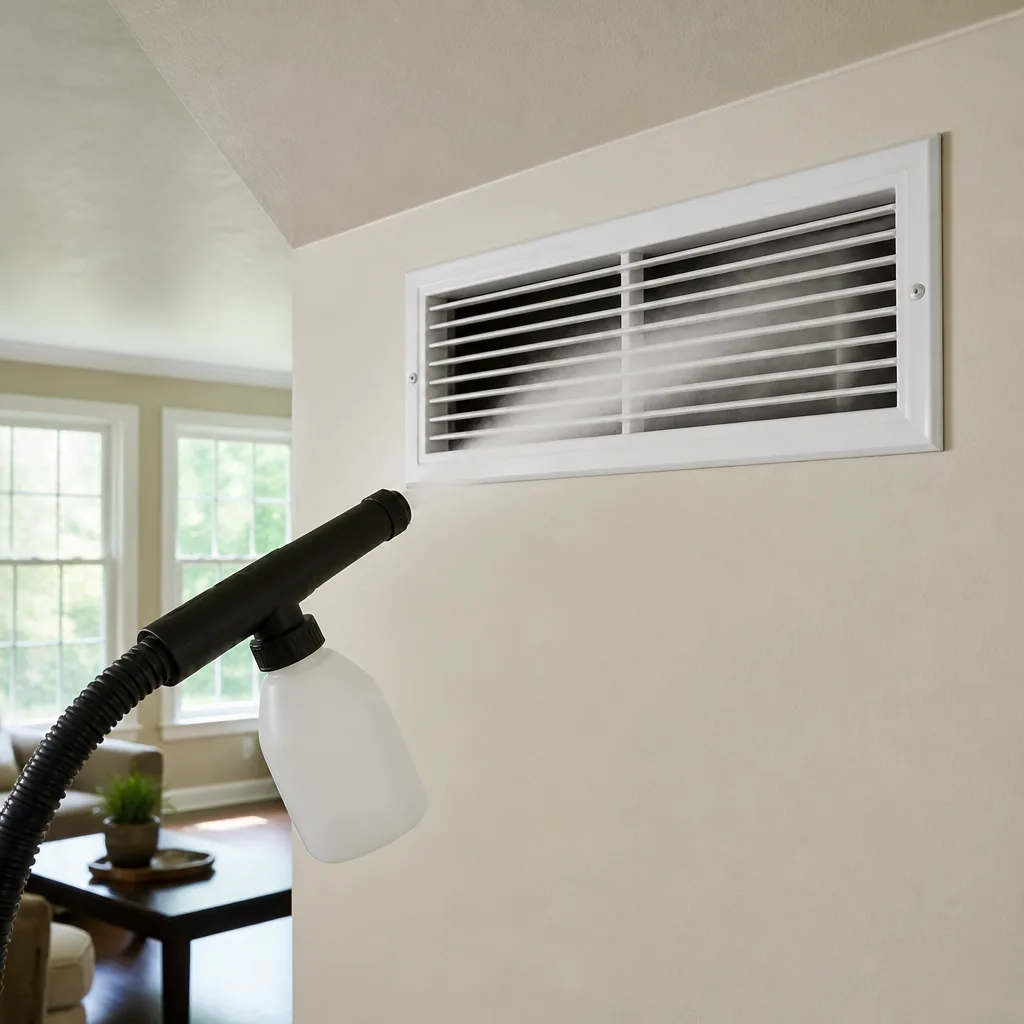 Sanitizing & deodorizing
Whole-system duct and dryer vent check with before-and-after photos - you see exactly what came out of your vents
That "$99 whole-house special" is a bait ad - the real number appears once they are in your hallway, or the "clean" is a shop-vac at the register. We photograph the inside of your ducts before and after instead.
Seasonal Air Duct Cleaning Care for Tacoma: Year-Round Homeowner’s Guide
Most homeowners in Tacoma treat duct cleaning as an annual checkbox, usually scheduled when a coupon shows up or when someone in the house starts sneezing. That approach misses what’s actually happening inside the ductwork. Tacoma’s climate doesn’t stress a duct system evenly across twelve months. It creates four distinct loading windows, each with its own contaminant, its own reason for accumulating, and its own best time to address it. Late summer is the one season nearly everyone ignores, and it’s also when wildfire smoke particulate pulled in through return air settles into duct lining at concentrations that don’t clear when the smoke outside clears. This guide maps each season to what’s happening inside your ducts and shows you how to build a care calendar around those windows.
Quick Answer
Seasonal air duct cleaning care in Tacoma works best when it’s timed to four loading windows rather than a fixed annual date: summer wildfire smoke infiltration, fall heating startup, winter condensation risk in unconditioned crawlspaces, and spring pollen loading on the evaporator coil. A practical year-round plan uses two inspection points (early fall and early spring) and one professional cleaning scheduled into whichever window your home shows the heaviest contamination, usually late summer or early fall. Timing the work to the season matters more than doing it more often.
Styles & brands we work with
- Whole-home duct cleaning
- Dryer vent cleaning
- Camera inspection
- Sanitizing & deodorizing
Table of Contents
- Why Tacoma’s Climate Creates Four Duct Loading Windows
- Summer: Wildfire Smoke and the Return Air Problem
- Fall: The Post-Heating-Startup Inspection Window
- Winter: Condensation in Unconditioned Crawlspace Ducts
- Spring: Pollen Loading and the Pre-Cooling Inspection
- How to Build a Tacoma-Specific Duct Care Calendar
- What a Proper Seasonal Inspection Actually Checks
- When Seasonal Wear Turns Into Duct Repair
Why Tacoma’s Climate Creates Four Duct Loading Windows
A duct system is a container with air moving through it, and what accumulates inside depends entirely on what’s in the air outside, what’s happening at the equipment, and how much moisture the duct walls are exposed to. In Tacoma, those three inputs shift in a predictable pattern across the year. Summer brings smoke events and heavy return-air draw during cooling. Fall brings the first heat cycle, which bakes settled dust onto the heat exchanger and pushes it downstream. Winter brings long wet stretches and cold crawlspaces. Spring brings a pollen dump onto a wet evaporator coil. Each window loads the system differently.
That pattern is why a single annual cleaning date doesn’t serve every home equally. A house near the Port of Tacoma with a long return run and an older furnace may load hardest in late summer. A home in North Tacoma with a conditioned basement and a newer system may load more in spring. The right schedule depends on which window hits your specific duct layout hardest, not on what month your neighbor booked.
There’s a second reason season matters: duct contamination isn’t uniform along the system. Return runs collect differently than supply trunks. The plenum above the air handler collects differently than the branch runs feeding bedrooms. A cleaning performed in the wrong window can leave the heaviest deposit untouched until the next cycle. You can see the full scope of what we clean on our air duct cleaning page, but the timing piece is what this guide addresses.
We’ve found that homeowners who understand which window drives their home’s loading tend to stop thinking in terms of “how often” and start thinking in terms of “when.” That shift is the whole point of seasonal care. Our technicians have up to 10 years of experience watching these patterns repeat across Tacoma homes, and the pattern is consistent enough to plan around.
The Four Windows at a Glance
- Summer (July-September): Wildfire smoke particulate enters through return air and settles into duct lining. Cooling season keeps the system running constantly, pulling more air through the same ducts.
- Fall (October-November): The first heat cycle bakes accumulated summer dust onto the heat exchanger and redistributes it through supply runs.
- Winter (December-February): Long wet periods and cold unconditioned crawlspaces create condensation risk on duct exteriors and at joints.
- Spring (March-May): Pollen coats the evaporator coil, and moisture bridges that pollen into connected duct runs before cooling season starts.
Summer: Wildfire Smoke and the Return Air Problem
Late summer is the season most Tacoma homeowners ignore their ducts entirely. It’s also the season when the system works hardest and pulls the most outside particulate in. Wildfire smoke from regional fires reaches the Puget Sound area in summer and early fall, and when it does, every cubic foot of air your HVAC system draws through the return is filtered once and then distributed. Whatever the filter doesn’t catch settles into duct lining, and it stays there after the smoke clears outside.
The instinct during a smoke event is to upgrade to a higher MERV filter. That helps while the smoke is present. It doesn’t clean what’s already inside the ducts. A higher-MERV filter is a barrier, not a remedy. Once the smoke event ends and the filter comes back down to its normal rating, the particulate that settled into the duct walls during the event is still there, and the next cooling cycle lifts it back into the air. That’s the gap most homeowners miss: filtration addresses incoming air, and cleaning addresses what’s already deposited.
Here’s what happens inside the system during a Tacoma smoke event:
- The return air intake draws smoke-laden air from the living space at high volume during cooling season.
- The filter captures larger particulate, but fine smoke particles pass through most standard residential filters.
- Fine particulate deposits on the return duct walls, the plenum, and the blower housing.
- Duct lining and any exposed insulation inside the system absorb smoke odor compounds.
- When the smoke clears, the deposit remains and continues to release particulate and odor into supply air.
This is where equipment choice matters for the cleaning itself. Negative-air containment, using Abatement Technologies equipment, keeps dislodged debris captured rather than recirculated into the living space during the job. A vacuum-only approach or a shop-vac setup agitates more than it removes. If you’ve had smoke exposure in a Tacoma home, the cleaning has to actually pull the deposit out of the system, not spread it around the room.
Late summer is also when we get the most calls about a “smoky smell” that lingers long after visible smoke is gone. That smell is the deposit. Cleaning in late summer or early fall, before the first heating cycle, means the deposit comes out before the furnace can bake it into the heat exchanger.
Fall: The Post-Heating-Startup Inspection Window
Fall is the most important inspection window of the year in Tacoma, and it’s the one most homeowners don’t know to schedule. When you turn the heat on for the first time in the season, you’re not just warming the house. You’re running hot air through a system that’s been collecting dust and smoke particulate all summer. That first heat cycle bakes the accumulated deposit onto the heat exchanger surface and distributes it downstream through every supply run in the house.
The smell you notice on that first heat-up, often described as a “burnt dust” odor, is exactly what’s happening: settled particulate is being heated and pushed through the supply side. If that deposit is heavy, the smell persists for days. If the deposit has been accumulating for more than one season, it can take longer to clear and can indicate the system needs professional attention rather than just airing out.
The fall inspection should happen within the first two to three weeks of regular heating use, after the system has run a few cycles but before the season gets cold enough that you’re running the furnace constantly. At that point, an inspection can reveal:
- Visible dust and smoke deposit on the heat exchanger and in the plenum
- Loose debris in the supply trunk that’s being redistributed room to room
- Duct joints that have opened slightly from seasonal expansion and contraction
- Filter condition after a full summer of cooling season draw
- Early signs of moisture in crawlspace duct runs before the wet season deepens
Residential duct systems move a lot of air through joints and seams that flex with temperature change. Fall is when those flex points are most active, which is also when small openings let dust-laden air bypass the filter and enter the supply side. If a joint has failed or a section has separated, that’s a duct repair issue, not a cleaning one. We handle both, which is why our clients don’t have to call a second contractor once the inspection finds a structural problem.
Book the fall inspection before the heating system settles into heavy use. Once the cold season is fully on, the system is running so often that a deposit gets redistributed across the whole house before anyone notices.
Winter: Condensation in Unconditioned Crawlspace Ducts
Winter in Tacoma brings long wet stretches and cool, damp crawlspaces. For homes with ductwork running through unconditioned crawlspace, that combination creates a specific risk: condensation on the outside of duct runs, especially where insulation has failed or joints have opened. It’s the quietest duct problem of the year because it happens on the exterior of the system, not the interior.
Moisture accumulation shows up in stages. First, you’ll see condensate on the duct wrap, usually on the cold run feeding a far room. Next, the insulation jacket sags or separates from the duct surface, which reduces its ability to keep the duct warm and makes the condensation worse. Then the exposed metal or flex duct surface stays damp, and dust that would normally stay dry becomes a substrate for microbial growth. That’s the point at which a cleaning job becomes a repair job, and the conversation shifts from airflow to remediation.
What to look for during the wet season:
- Damp or discolored insulation wrap on crawlspace duct runs
- Water staining on the vapor barrier beneath a duct section
- Musty odor in rooms served by crawlspace runs, strongest in the morning
- Condensation on duct joints after the heating system cycles off
- Sagging flex duct where it passes through a cold crawlspace section
Winter isn’t usually the season to schedule a full cleaning, because the deposit from summer and fall has already been redistributed by the heating season. It is the season to catch moisture before it becomes mold. If you see damp insulation or a musty smell, the priority is a duct repair inspection to find where the moisture is getting in, not a cleaning. Fixing a leaking joint or replacing a damp section of insulation during the wet season prevents the problem from getting worse by spring.
Homes on the south and west sides of Tacoma, where crawlspaces tend to be older and insulation wraps may be original to the home, see this pattern more often than newer construction. What we’re checking for during winter is dampness, not dust. The dust problem gets handled in the next window.
Spring: Pollen Loading and the Pre-Cooling Inspection
Spring in Tacoma dumps pollen onto everything, and the evaporator coil is where it concentrates first. The coil is wet during cooling operation, and a wet surface catches pollen the way a wet sponge catches dust. What accumulates on the coil bridges into the connected duct runs, especially the plenum directly downstream. By the time cooling season starts, the system is pulling air across a coated coil and pushing it into ducts that just received a fresh pollen load.
This is why the spring inspection should happen before cooling season gets going, not after. A pre-cooling inspection catches:
- Pollen and dust accumulation on the evaporator coil before it takes on moisture
- Duct runs that need cleaning after the winter moisture season
- Filter condition before cooling season introduces a new load
- Any moisture damage not caught during the winter months
The evaporator coil matters for two reasons. First, a coated coil reduces heat exchange efficiency, which means the system works harder for the same cooling result. Second, once moisture is present, pollen on the coil becomes an active problem rather than a passive deposit. The bridge from coil to duct run means that whatever is on the coil eventually ends up distributed through the supply side.
Spring is also the window when homeowners tend to notice a musty smell that started in winter and never cleared. If that’s what you’re seeing, the spring inspection is the time to trace it. It may be leftover moisture damage from crawlspace ducts, or it may be a deposit that’s been cycling through the system since fall.
What Spring Cleaning Actually Accomplishes
A spring cleaning timed before the first cooling cycle removes the pollen load before it can move into the coil-to-duct bridge. It also clears whatever the winter season left behind. In our experience, spring cleanings in Tacoma are most effective when they happen in mid-to-late spring, after pollen peaks but before the cooling season is fully underway. That window narrows every year, so book it early.
How to Build a Tacoma-Specific Duct Care Calendar
The practical version of all this is a calendar with two inspection points and one professional cleaning. Here’s the schedule we recommend for most Tacoma homes, adjustable based on the specific loading pattern in your house:
- Inspection 1 – Early fall (late September to mid-October). After the first few heating cycles, before heavy heating use. This catches the summer summer smoke deposit before it’s redistributed all winter.
- Professional cleaning – Late summer or early fall, timed to your heaviest window. For most Tacoma homes, this means scheduling the cleaning after the smoke season but before the heating system is running constantly. That window is roughly mid-August through October.
- Inspection 2 – Early spring (March to April). Before cooling season starts. This catches pollen loading, winter moisture, and anything that developed over the wet months.
- Optional winter moisture check – December or January. A quick visual check on crawlspace duct runs and insulation if you have unconditioned ductwork. Not a full inspection, just a look for dampness.
For a home with a history of heavy summer smoke exposure or a long return run, push the cleaning earlier in the window, toward late August. For a home with a short return run and heavy spring pollen, push it later, toward early October. For a home with crawlspace ducts, the winter moisture check matters more than the exact cleaning timing.
What you’re not doing is booking an annual cleaning on the same date every year regardless of what the season brought. That’s the coupon-driven approach, and it misses the loading windows. A Tacoma home that had a heavy smoke season needs a different schedule than one that didn’t.
Adjusting the Calendar by Home Type
- Older homes with long return runs: heavier summer smoke loading, prioritize the late-summer cleaning.
- Homes with crawlspace ductwork: heavier winter moisture risk, prioritize the winter moisture check and spring inspection.
- Homes with a heavy spring pollen load (mature trees nearby): prioritize the spring inspection and pre-cooling coil check.
- Newer construction with conditioned ducts: lighter overall load, but still run both inspections because new systems load faster than most people expect in the first few years.
What a Proper Seasonal Inspection Actually Checks
A seasonal inspection done right looks at the whole system, not just the inside of one duct run. The point of the inspection is to decide whether cleaning or repair is needed, and what the current season’s load has done to the system. Here’s what a proper inspection covers:
- Return air path: visible deposit in the return trunk and plenum, and filter condition.
- Heat exchanger or coil surface: summer deposit baked on by the first heat cycle, or pollen accumulation on the coil.
- Supply trunk and branch runs: whether deposit from the plenum is distributing through the supply side.
- Duct joints and connections: openings that let unfiltered air in, and flex duct connections that have loosened.
- Crawlspace runs (if applicable): insulation integrity, condensation, and moisture staining.
- Air handler and blower housing: deposit on the blower blades and housing, which affects airflow.
- Whole-system airflow: whether rooms are receiving the volume they should, which can indicate a restriction or a leak.
Once the inspection identifies the load, the decision is straightforward: clean, repair, or both. A home with heavy deposit and intact ducts gets a cleaning. A home with a failed joint or damp crawlspace section gets repair, possibly combined with cleaning once the repair is done. The reason we offer duct repair as a standalone service, not just cleaning, is that the two problems tend to show up together during seasonal inspection.
If you have air quality components like a Honeywell or Aprilaire system in the mix, the inspection should also check those. A media filter cabinet or a humidifier tied into the duct system can hold deposit differently than bare ducts and can need service as part of the seasonal routine. The systems we carry and service cover that integration, which keeps the whole air path in view rather than just the duct interiors.
When Seasonal Wear Turns Into Duct Repair
Not every seasonal problem is a cleaning problem. Some are structural, and recognizing the difference determines whether a cleaning solves the issue or just rearranges it. Here are the signs that seasonal wear has crossed into repair territory:
- Separated or collapsed flex duct: usually in crawlspaces after a wet winter, visible as a kink or a gap at a connection point.
- Failed duct joints: the sealant has dried and cracked, letting unfiltered air into the supply side.
- Damp or deteriorated insulation wrap: a moisture problem that will keep recurring until the wrap is replaced.
- Structural damage to a rigid trunk: sagging, disconnected sections, or punctures from other trades.
- Persistent musty odor after cleaning: indicates the source is structural (moisture, a failed joint) rather than the duct interiors.
Timing matters here too. Winter-damaged duct sections are best repaired in early spring, before the cooling season puts the system under load. Structural damage discovered in a fall inspection is best repaired before heavy heating use. Repairing during the shoulder seasons costs less in lost efficiency and reduces the chance of a second problem developing while the system is running.
When we find a structural issue during a seasonal inspection, we repair it. A cleaning performed on a system with a failed joint or damp flex section doesn’t hold, because the underlying problem keeps reintroducing contamination. That’s why we treat the inspection as the decision point, not as a sales step toward a cleaning.
Understanding what’s happening inside a duct system and treating it as a three-service specialty, cleaning, drying vent work, and repair, is the only way a seasonal care plan holds. If you’re ready to build your calendar, our duct cleaning Tacoma page is a good place to see how we approach each of the three services in a home.
Common Mistakes to Avoid
- Treating duct cleaning as a fixed annual date. A coupon-driven schedule ignores which loading window your home actually faces. A Tacoma home with a long return run and a heavy smoke season needs a different cadence than a newer home with a light load.
- Upgrading the MERV rating and calling it done. A higher-MERV filter during a smoke event helps while smoke is present, but it does nothing for particulate already settled in the duct lining. Filtration catches incoming air; cleaning addresses what’s already deposited.
- Skipping the post-heating-startup inspection. The first heat cycle of the season bakes summer dust onto the heat exchanger and distributes it through supply runs. A fall inspection catches that deposit before it settles into the whole system.
- Ignoring damp crawlspace ducts in winter. Condensation on crawlspace duct runs is the quietest seasonal problem, and it turns into a mold issue when it’s left. If you have ductwork in an unconditioned crawlspace, check it in the wet months.
- Cleaning in spring when the problem is structural. If a duct joint is open or a flex section has collapsed, cleaning the system just moves the issue around. Repair first, then clean.
- Assuming a shop-vac and a hose is a cleaning job. Consumer-grade vacuums and truck-mounted units without containment agitate more deposit than they capture, which puts it back into the living space. The job needs negative-air containment and professional-grade equipment to actually remove what’s inside.
- Ignoring the dryer vent because it’s not part of the HVAC ductwork. Dryer vent cleaning is a fire-safety service. Lint accumulation in a dryer vent is one of the leading causes of residential house fires, and it builds fastest in heavy-use months. If you’re booking a seasonal HVAC cleaning, check the dryer vent at the same time.
See the difference
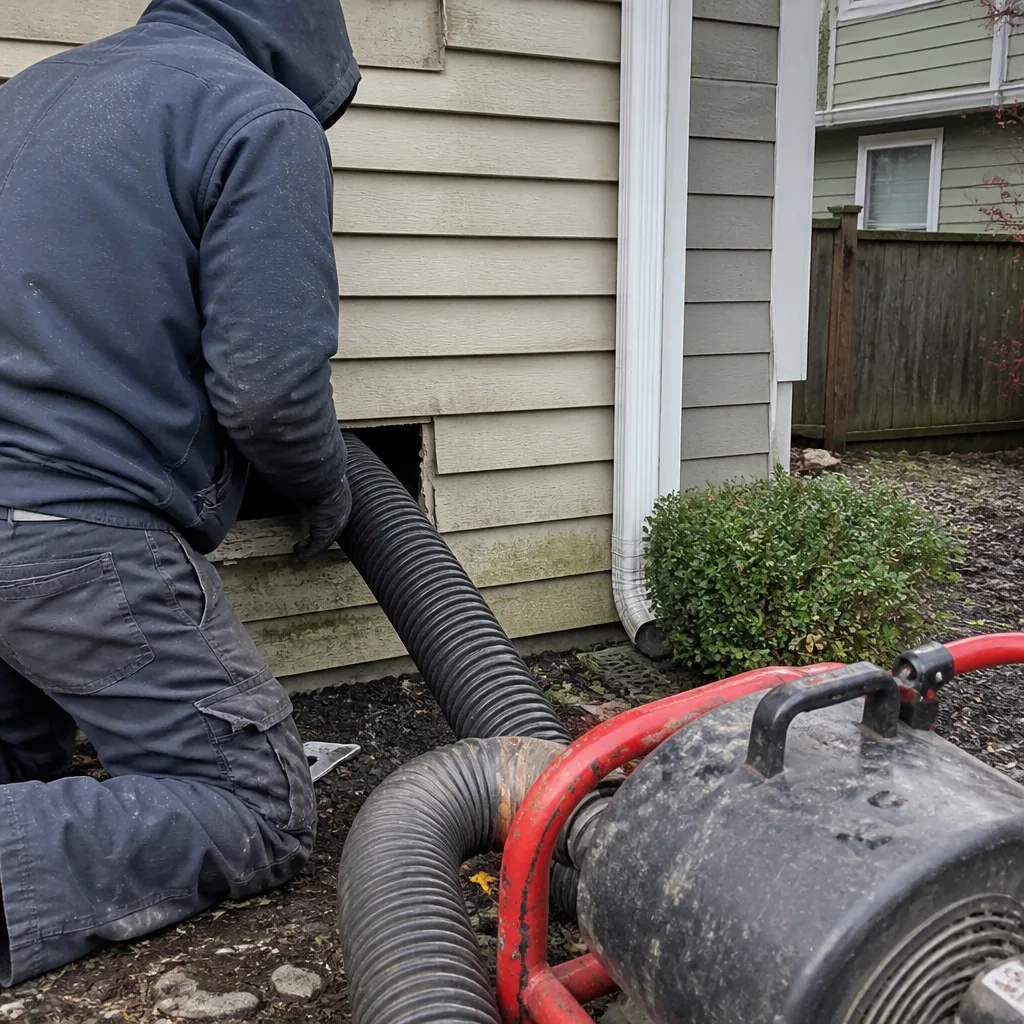 Before
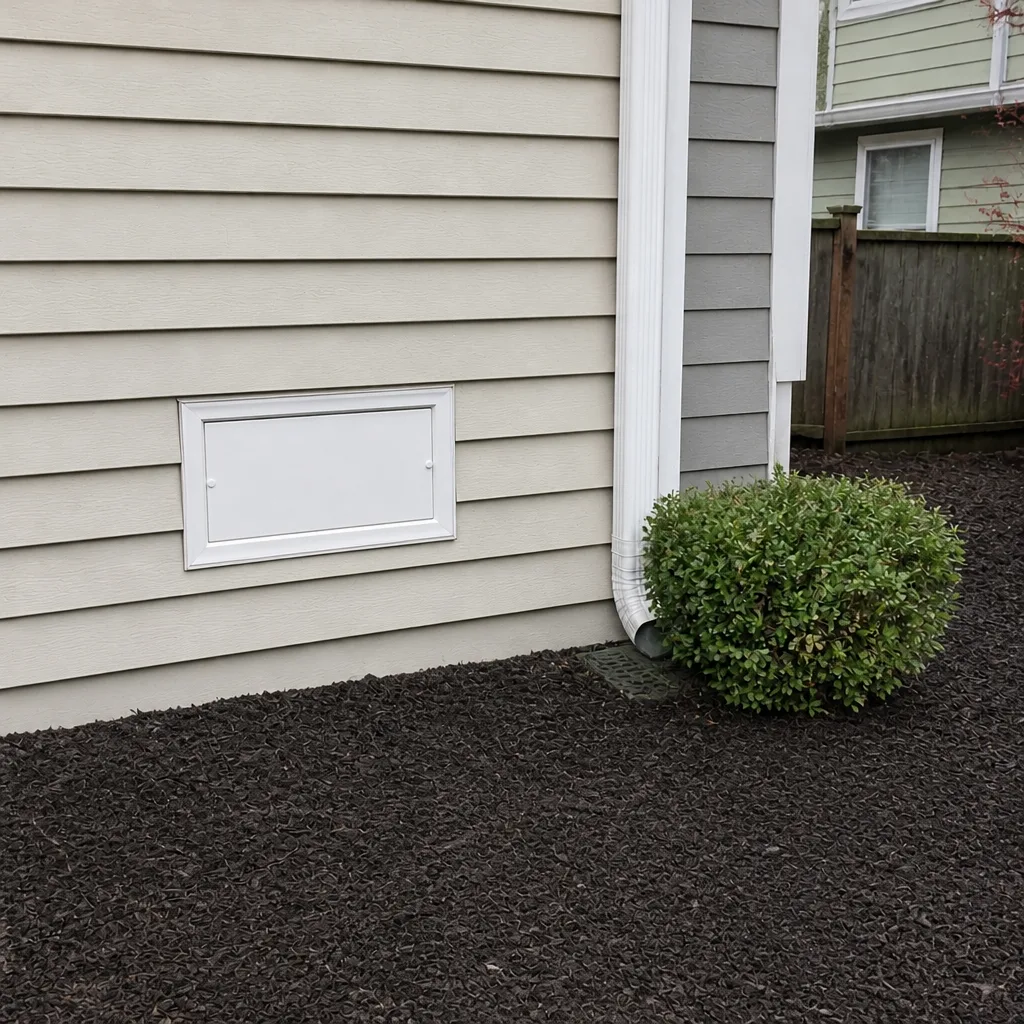 After
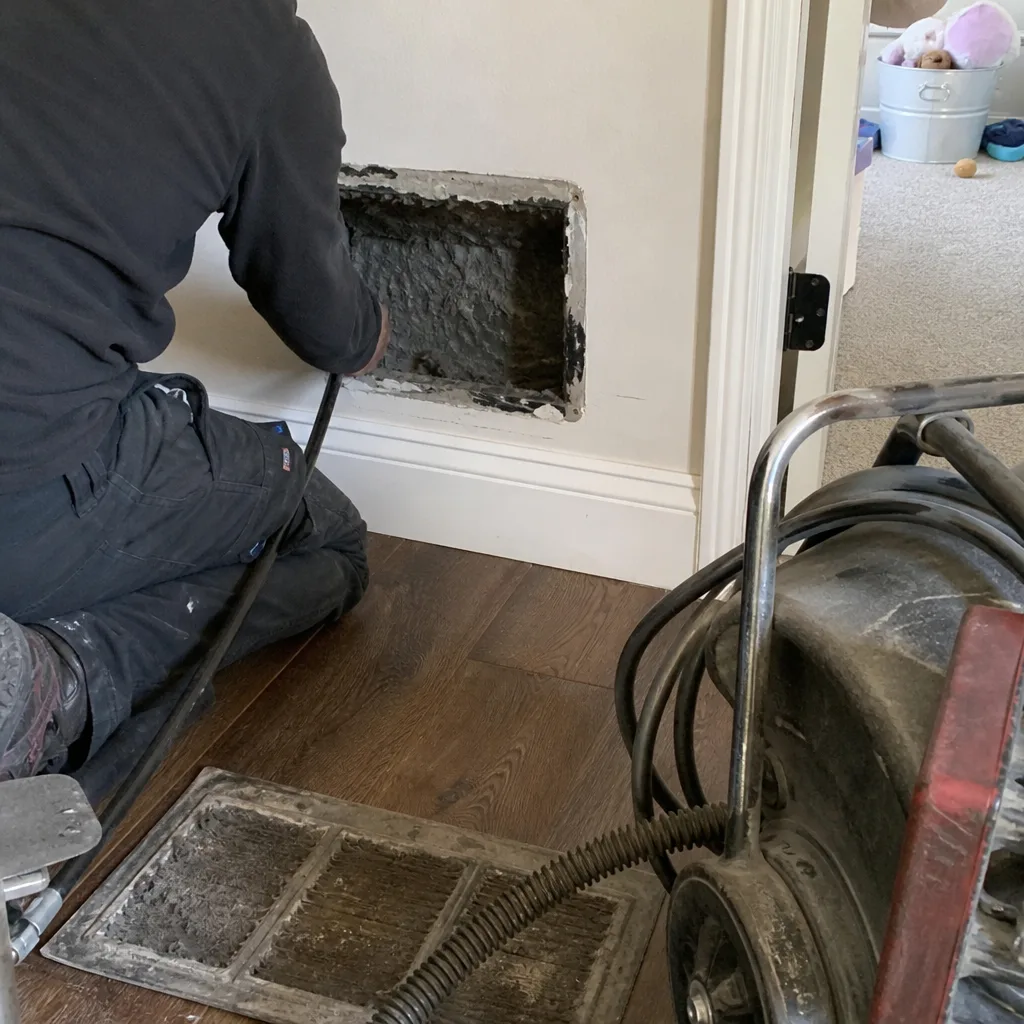 Before
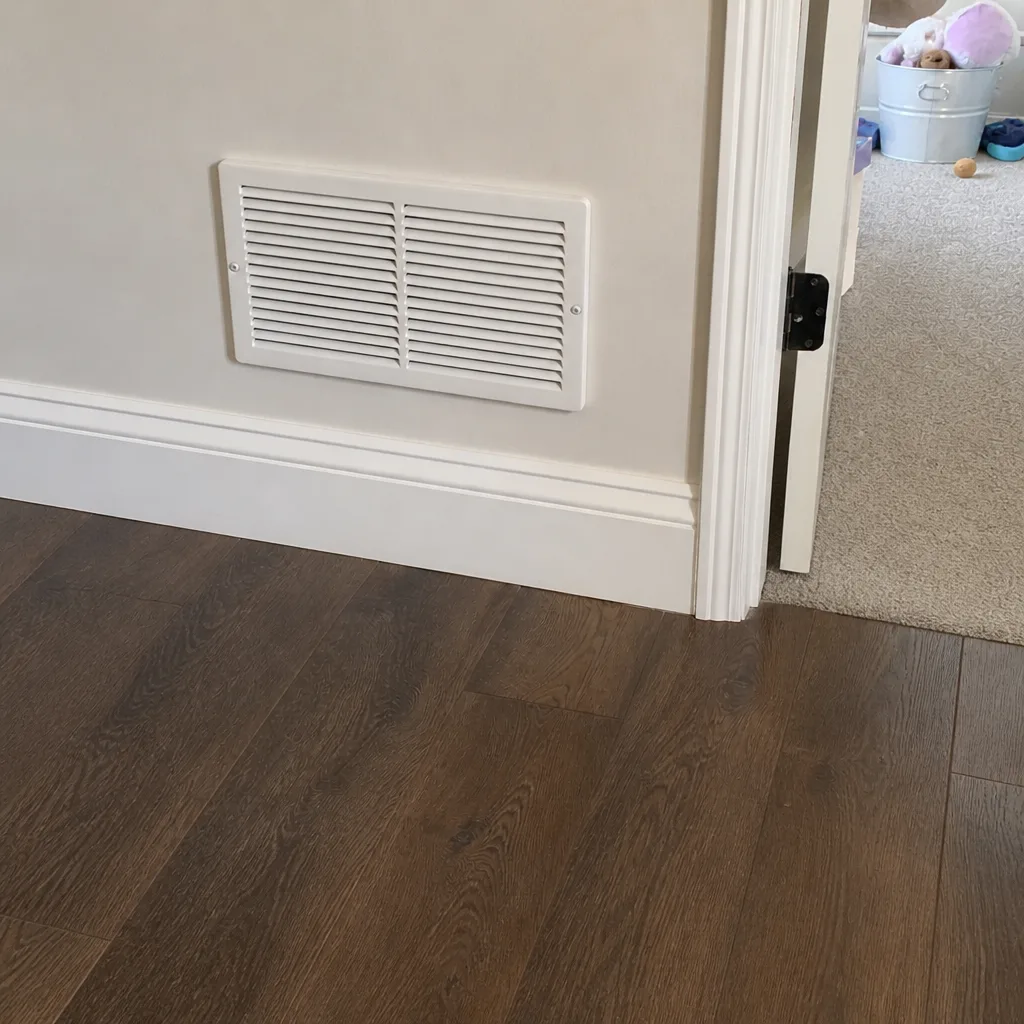 After
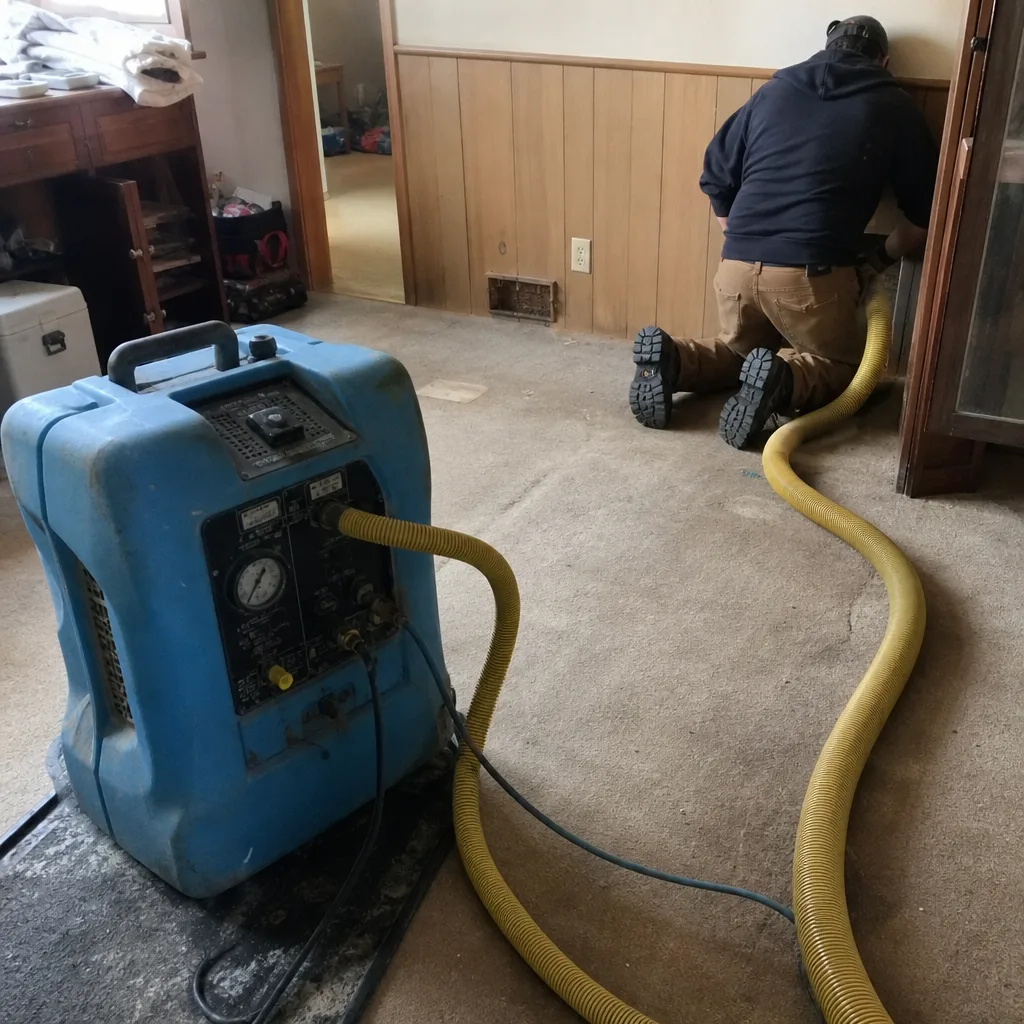 Before
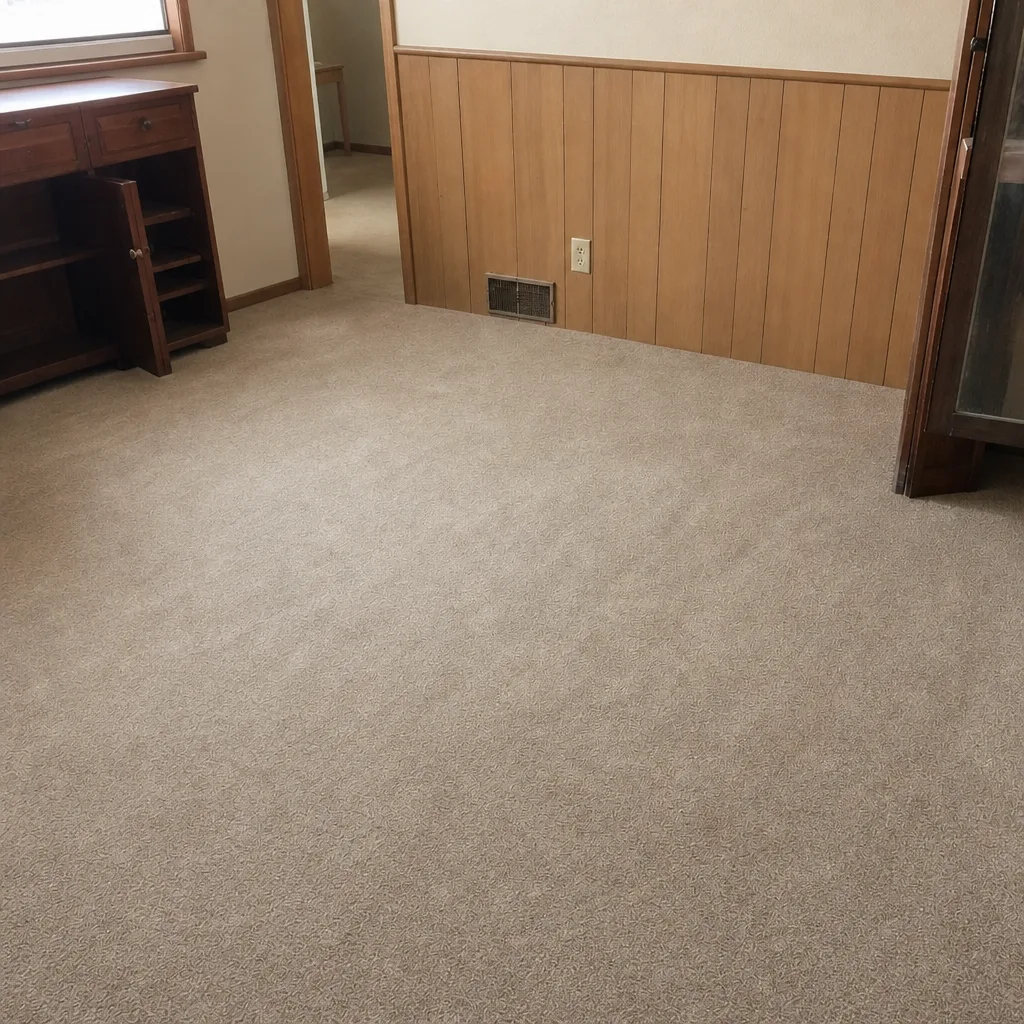 After
When to Call a Professional
Some seasonal duct work is DIY territory: changing the filter, checking that crawlspace runs are intact, and looking for obvious dampness. The rest isn’t. Call a professional when you see visible dust deposit on the heat exchanger or the blower, when a room’s airflow has dropped noticeably, when a musty smell persists after a filter change, or when a duct joint is open or a flex section has collapsed. Those are the scenarios where the difference between a cleaning and a repair matters, and where the right equipment and containment determine whether the job actually removes the deposit or redistributes it.
Duct Cleaning Tacoma offers free estimates in Tacoma. Call (888) 870-9539. We answer 24/7. Fast dispatch from 7am to 7pm, Sunday through Friday. The price is set per job by the written estimate, and we work with professional-grade equipment so the deposit is captured, not recirculated.
Frequently Asked Questions
Most Tacoma homes are best served by one professional cleaning timed to the season that loads their system hardest, plus two inspections per year. A single annual cleaning on a fixed date is less effective than timing the work to the loading window your home shows, which is usually late summer or early fall for homes with long return runs. Homes with crawlspace ductwork benefit from a winter moisture check on top of that. If you’re unsure which window fits your home, call (888) 870-9539 for an exact quote. Estimates are free.
Fine smoke particulate settled into the duct lining and plenum during the smoke event, and it re-releases into supply air over time. That’s the reason filtration alone doesn’t fix a post-smoke odor, and it’s the reason late summer cleaning, timed after smoke season but before the first heat cycle, is the effective window. If the smell has persisted through a full heating and cooling cycle, the system likely needs professional cleaning. Call (888) 870-9539 for an exact quote. Estimates are free.
A higher-MERV filter helps while smoke is present because it catches more particulate before it reaches the system. It doesn’t clean particulate that’s already in the ducts. Once the smoke clears, the system needs a cleaning to remove what settled into the duct walls during the event, because that deposit stays and continues to re-release. If the ducts haven’t been cleaned since the last smoke season, call (888) 870-9539 for an exact quote. Estimates are free.
Late summer or early fall is the best general window for most Tacoma homes, because it removes the summer smoke and dust deposit after the cooling season and before the heating cycle can bake it onto the heat exchanger. Homes with heavy spring pollen loading sometimes do better with a spring cleaning timed before cooling season, and homes with crawlspace ductwork need the winter moisture check regardless of when the primary cleaning happens. Call (888) 870-9539 for an exact quote. Estimates are free.
You know the work was done when you see before-and-after photos of your own ducts and can see the difference in the deposit. Containment is the other verifiable sign: professional-grade negative-air equipment means dislodged debris is captured rather than recirculated, and you won’t see dust settling in the living space during the job. A trustworthy quote and process should be specific about both. Call (888) 870-9539 for an exact quote. Estimates are free.
Yes, and that’s most of the value of the two-inspection schedule. A damp crawlspace section caught in winter is a wrap replacement; the same section left through a summer is a mold remediation. An open duct joint caught in a fall inspection is a repair; left through a winter, it lets in enough damp air to damage the surrounding duct section. Call (888) 870-9539 for an exact quote. Estimates are free.
The Bottom Line
Duct care in Tacoma is a timing problem more than a frequency problem. The four loading windows – summer smoke, fall heating startup, winter crawlspace moisture, and spring pollen – each load the system a different way, and the right schedule addresses each one where it actually hits hardest. Practically, that means two inspections, one in early fall and one in early spring, and one professional cleaning timed to late summer or early fall. Add a winter moisture check if your ductwork runs through an unconditioned crawlspace. That calendar catches the problems while they’re still cleaning jobs rather than repair jobs, and it uses the right equipment to capture what’s inside the system instead of pushing it into the rooms you live in. For a Tacoma home, [[dryer vent cleaning]] should sit on the same seasonal schedule, since lint buildup is a fire-safety concern that doesn’t announce itself.
Written by the team at Duct Cleaning Tacoma.
Written by the team at Duct Cleaning Tacoma.