
Last updated November 15, 2026
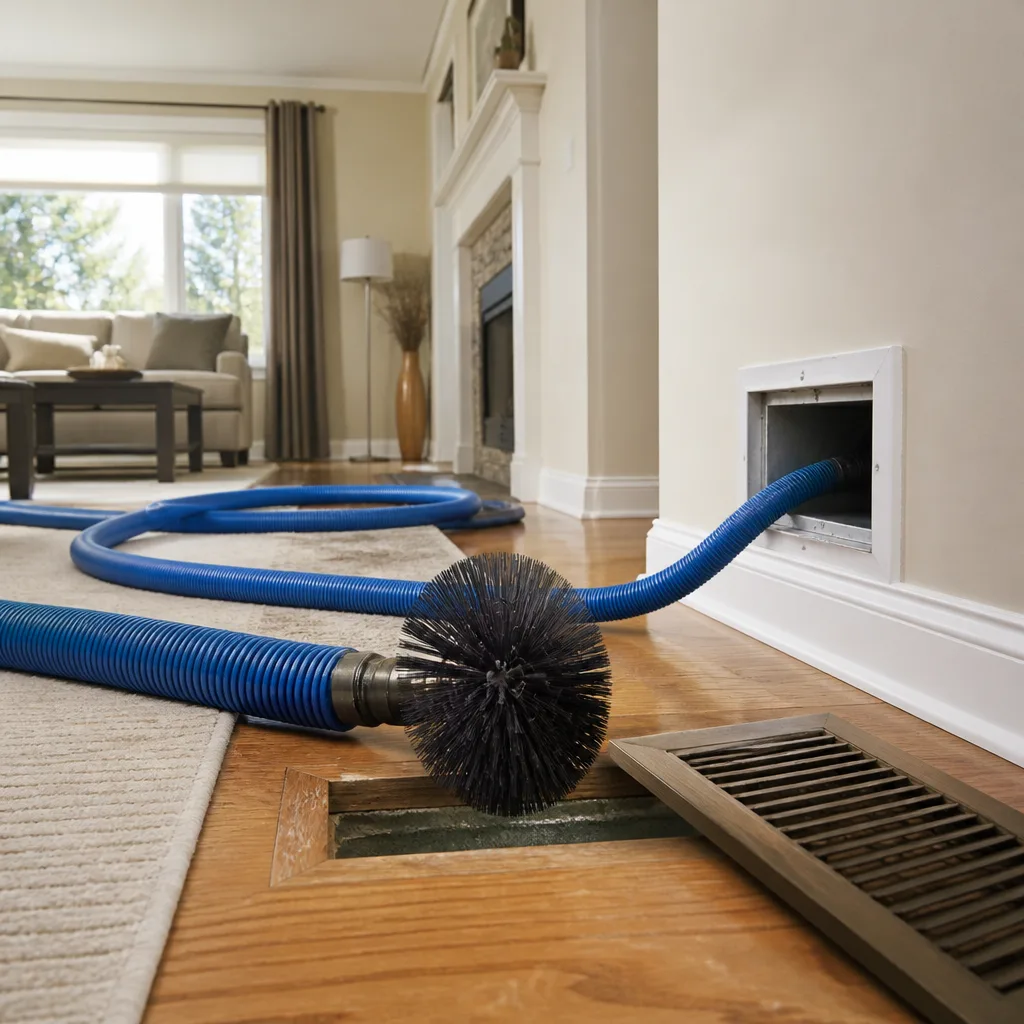 Whole-home duct cleaning
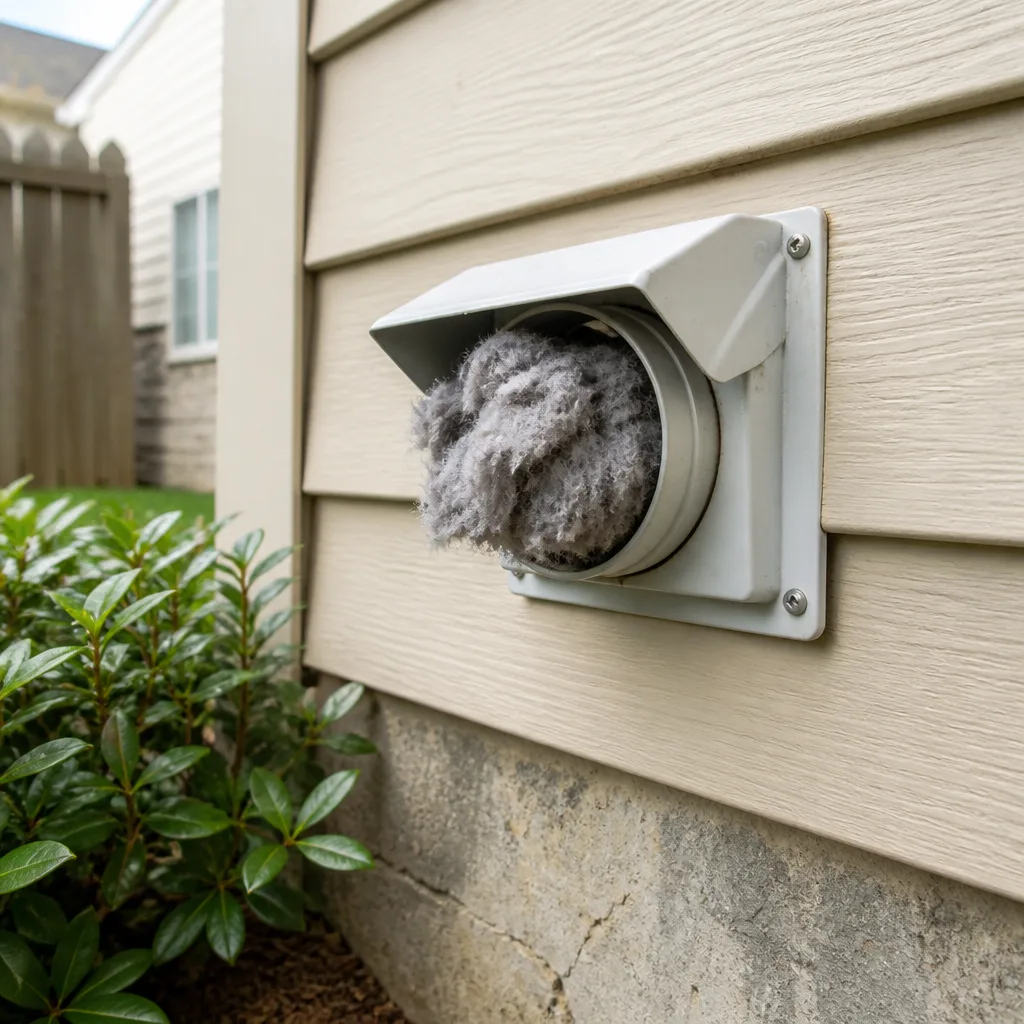 Dryer vent cleaning
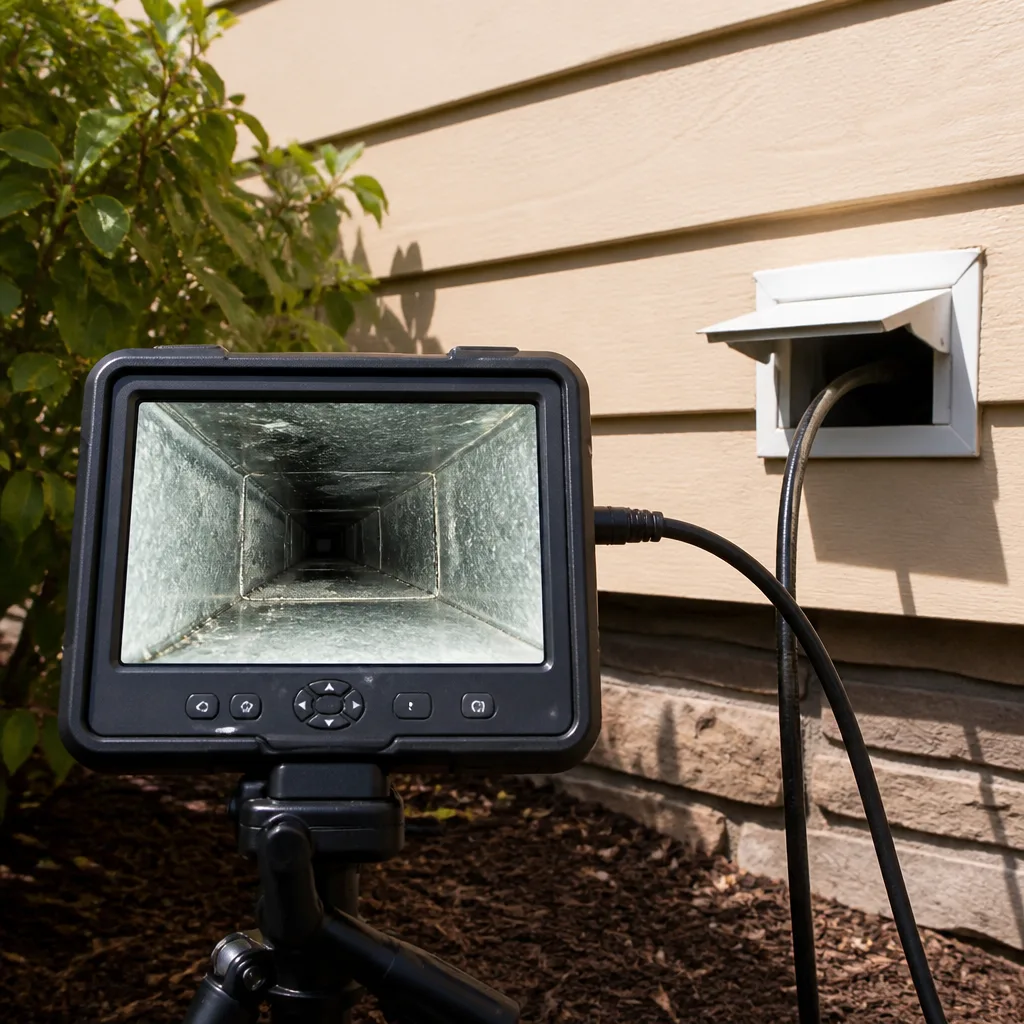 Camera inspection
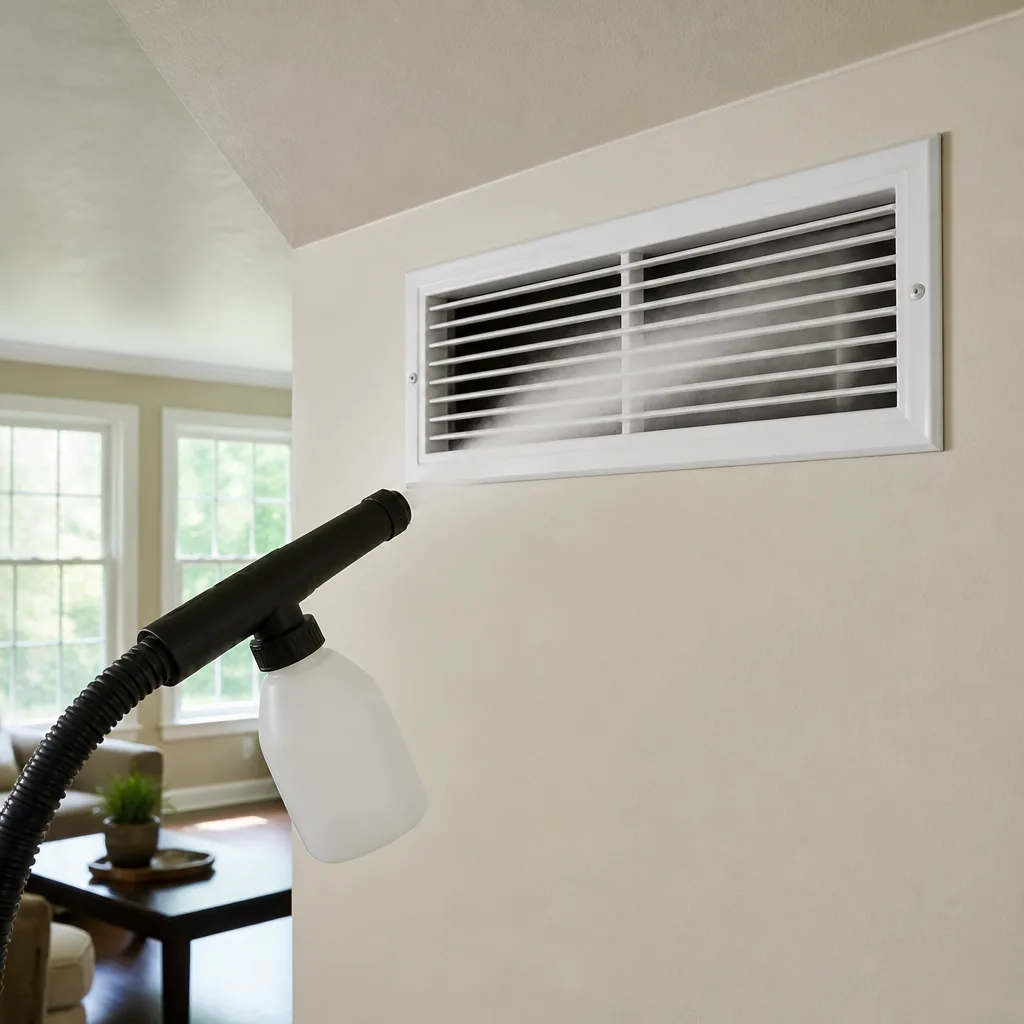 Sanitizing & deodorizing
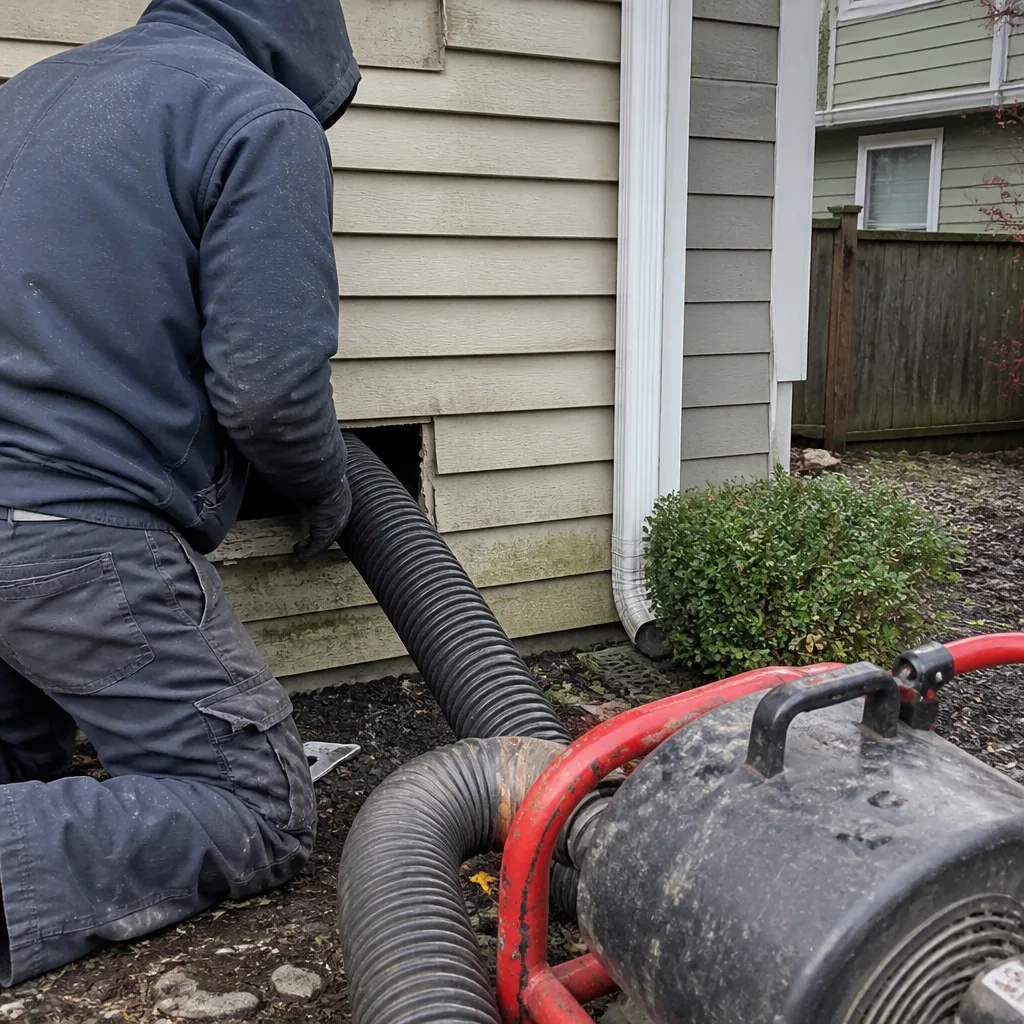
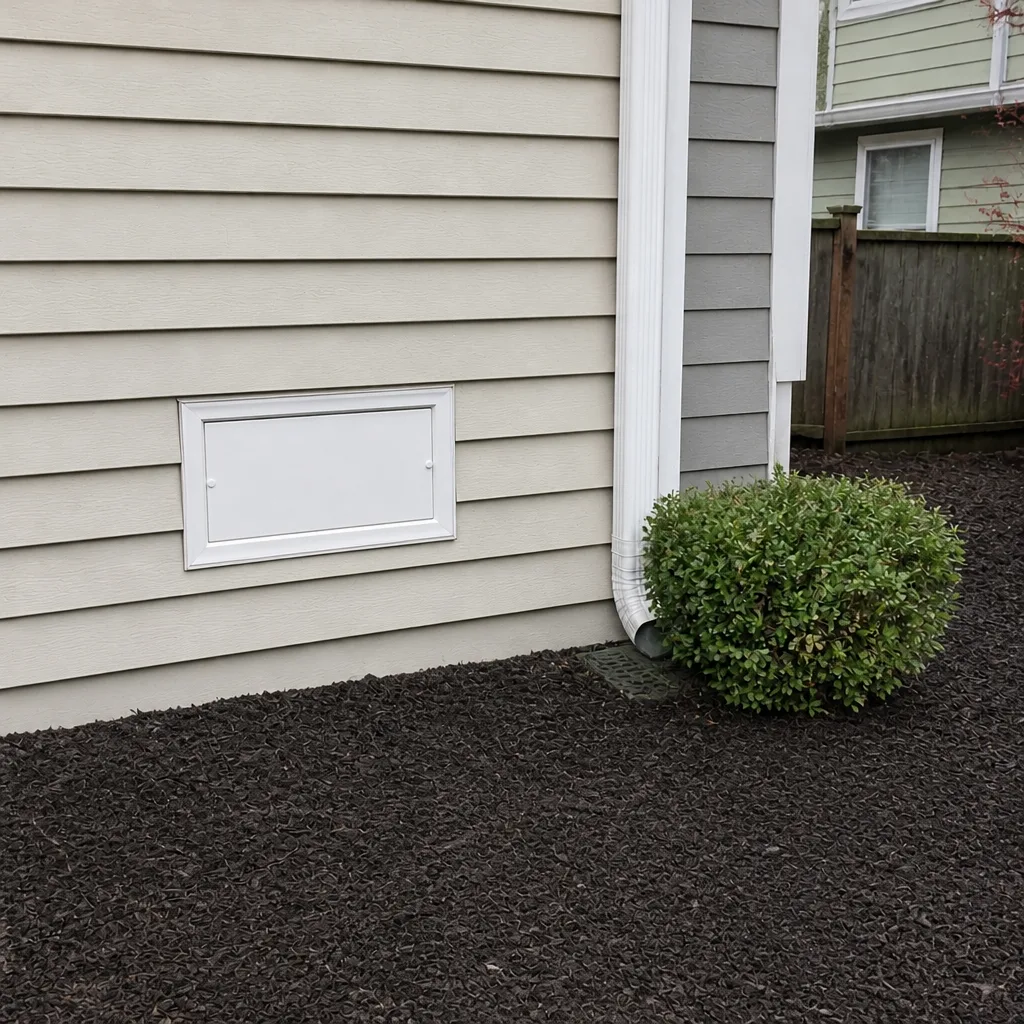
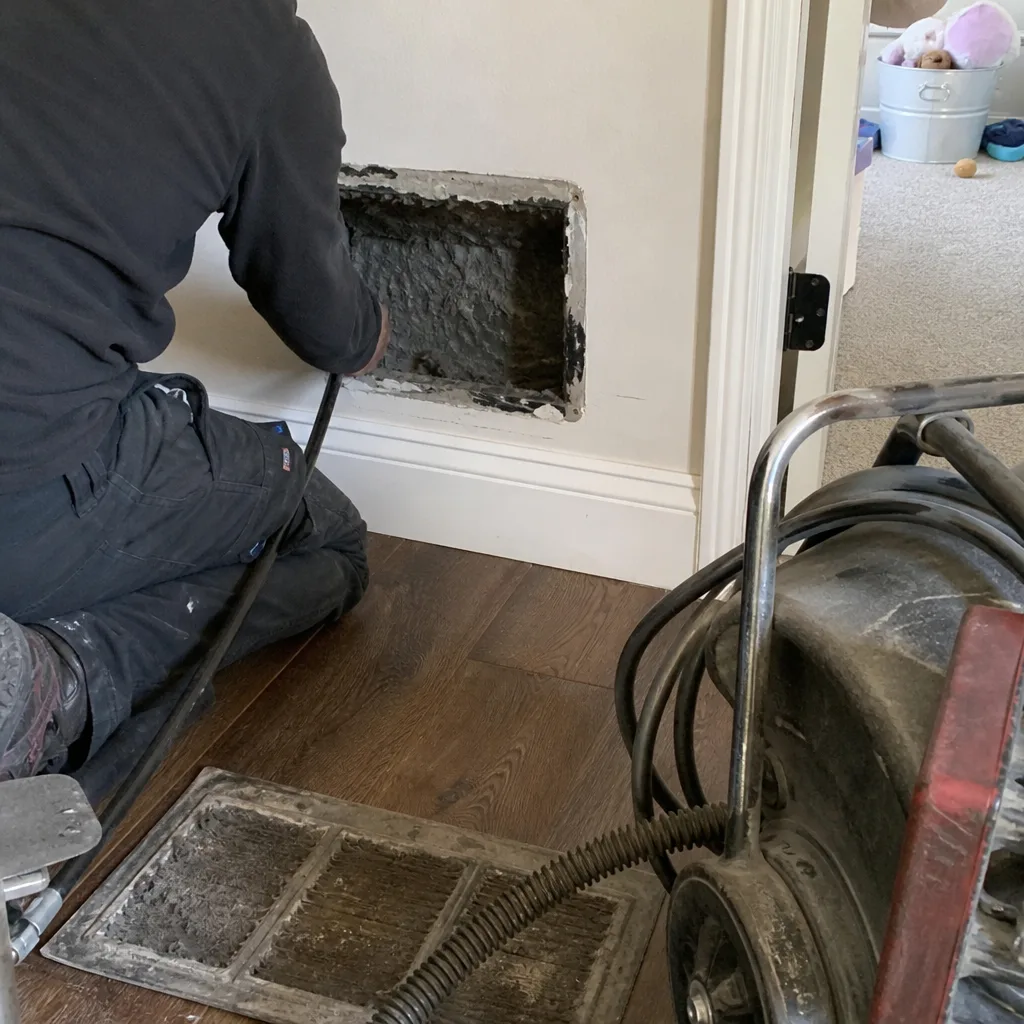
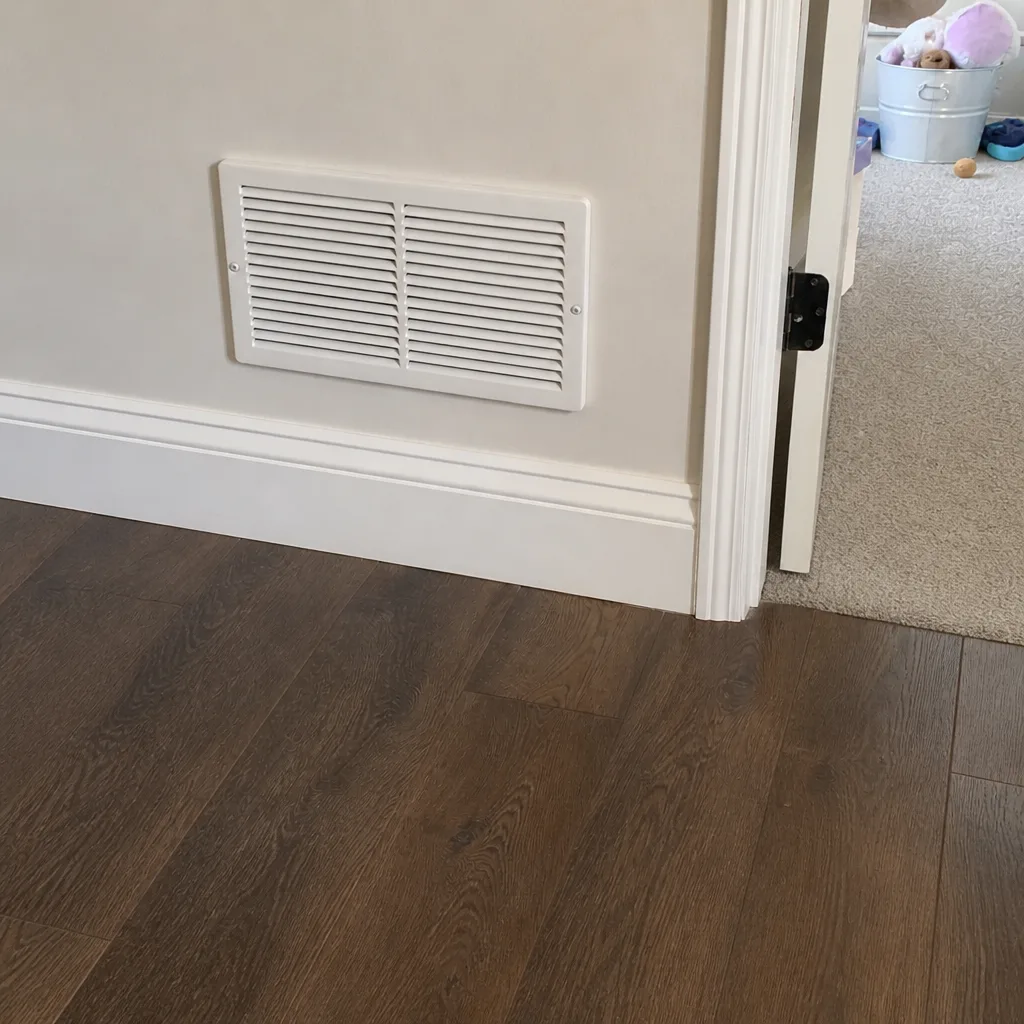
Whole-system duct and dryer vent check with before-and-after photos - you see exactly what came out of your vents
That "$99 whole-house special" is a bait ad - the real number appears once they are in your hallway, or the "clean" is a shop-vac at the register. We photograph the inside of your ducts before and after instead.
How to Hire an Air Duct Cleaning Contractor in Tacoma: A Step-by-Step Guide
Hiring a duct cleaner in Tacoma is harder than hiring a plumber or an electrician, and the reason surprises most homeowners: there’s no licensing requirement that filters out unqualified operators. A plumber needs a license to touch your pipes. Almost anyone with a van, a shop-vac, and a website can advertise duct cleaning. That puts the entire screening job on you, the homeowner. This guide gives you the specific questions to ask, the red flags to watch for, and the equipment benchmarks that separate real specialists from van-and-vacuum operations. By the end, you’ll know exactly what to ask before anyone steps through your door.
Quick Answer
To hire an air duct cleaning contractor in Tacoma, verify three things before you book: the equipment they use (professional-grade vacuum units with a stated CFM rating, plus HEPA containment), how they quote the job (flat-rate per system, not per vent), and whether they walk your system before starting. A legitimate contractor answers equipment questions immediately, offers a written estimate, and shows you before-and-after photos of your own ducts. If any of those three checks fails, keep calling.
Styles & brands we work with
- Whole-home duct cleaning
- Dryer vent cleaning
- Camera inspection
- Sanitizing & deodorizing
Table of Contents
- Why Hiring a Duct Cleaner Is Different From Hiring Other Trades
- The Two Numbers That Reveal Whether a Contractor Is Real
- What NADCA Membership Actually Means (and Doesn’t)
- The Equipment Question That Separates Specialists From Generalists
- How to Read a Duct Cleaning Quote: Flat-Rate vs. Per-Vent
- What a Pre-Job Walkthrough Should Include
- Red Flags Specific to the Tacoma Market
- Questions to Ask Before You Book
- How to Verify the Work Was Actually Done
Why Hiring a Duct Cleaner Is Different From Hiring Other Trades
A legitimate Tacoma duct cleaning contractor should be able to tell you the static pressure of your system, the negative pressure their equipment generates, and why those two numbers matter. If they can’t, that’s your answer.
That single test separates the trade into two groups faster than any review site. Static pressure tells you how hard your system is working to move air. Negative pressure tells you whether the cleaning equipment is pulling debris out of the ducts or just stirring it around inside your home. A contractor who understands both numbers is thinking about your whole system. One who doesn’t is thinking about finishing the job and moving to the next address.
Plumbing and electrical work are gated by state licensing. Duct cleaning isn’t. There’s no exam, no apprenticeship requirement, no statewide registry that confirms a company knows what it’s doing. That means the burden of due diligence falls entirely on you. It also means the range of quality in Tacoma is unusually wide. You can find careful specialists working with commercial-grade equipment, and you can find operators running entry-level vacuums that were never designed for residential ductwork.
The good news: this trade is easy to audit if you know what to ask. Equipment either exists or it doesn’t. A vacuum unit either has a CFM rating the contractor can state on the spot or they’re guessing. Quotes are either structured around your whole system or they’re structured around the number of vents they can bill you for. Once you know the questions, the answers sort themselves.
The reason this matters in Tacoma specifically is the housing stock. Large parts of the city have older homes with ductwork that’s been added to, modified, or patched over the years. A duct system in a North End bungalow or a Stadium District home often has flex duct spliced into original rigid runs, with joints that have loosened and seams that have separated. Cleaning a system like that without understanding its layout can dislodge debris that settles back into the living space. A contractor who walks the system first understands what they’re working with before they turn on the vacuum.
This is also why the first question you ask shouldn’t be about price. The price means nothing until you know what equipment is coming through your door and how the job will be scoped. Get those answers first, then talk numbers.
The Two Numbers That Reveal Whether a Contractor Is Real
Static pressure and negative pressure are the two measurements that tell you whether a duct cleaning contractor understands your system or is reciting a script. Ask about both. Listen carefully.
Static pressure is the resistance inside your ductwork as air moves through it. Every bend, every dirty filter, every loose joint adds resistance. High static pressure means your furnace or air handler is working harder than it should to push air where it needs to go. A contractor who measures static pressure before cleaning, and talks about lowering it afterward, is treating your ducts as part of a system rather than a set of tunnels to suck out.
Negative pressure is what the cleaning equipment creates to keep debris from escaping into your home. When a vacuum unit is connected to the main trunk line and sealed properly, it pulls the whole system into negative pressure – air flows into the ducts from the living space instead of blowing out. That’s the entire principle behind air duct cleaning done correctly. Without negative pressure containment, agitation knocks debris loose and the blower pushes it back into rooms.
Here’s the test in plain terms. Ask any contractor you’re considering:
- What vacuum unit do you use, and what CFM rating does it operate at?
- How do you create and verify negative pressure inside the system?
- What containment do you use at the registers while agitating the ducts?
A specialist answers all three without hesitation, in specifics, often naming the equipment. In our experience, that’s usually where the conversation ends with a generalist. If the answer includes “we use HEPA filters” but the contractor can’t explain how the vacuum connects to the system or what CFM means, they’re describing a shop-vac with a better name.
The reason this matters in Tacoma is that many homes run their furnaces hard through the wet months, and a system already near its static pressure limit is a system where small problems compound. Ducts that are slightly undersized or have a few loose joints struggle more in the colder months. Cleaning that reduces built-up debris helps, but only if the debris is captured and not recirculated. That’s the negative pressure question. What you’re really asking is: does your equipment pull debris out, or does it blow it into my kitchen?
What NADCA Membership Actually Means (and Doesn’t)
NADCA – the National Air Duct Cleaners Association – is the closest thing this trade has to a professional credential. Membership isn’t a license, but it does require something a fake credential doesn’t: a commitment to a published standard of care and a demonstrated familiarity with the assessment, cleaning, and restoration process the association publishes.
What NADCA membership signals:
- The contractor has committed to a documented standard for how duct cleaning should be performed.
- They’ve pursued industry training specific to duct systems rather than HVAC generally.
- They operate in an environment where there’s a reference standard for what “clean” means.
What it doesn’t signal:
- That the contractor’s equipment is adequate. NADCA doesn’t certify vacuum units.
- That the contractor is licensed by the state. NADCA isn’t a licensing body.
- That the contractor carries insurance. That’s a separate question you should ask directly.
There’s a reason this distinction matters. “Certified technicians” is one of the easiest claims to fake in this trade, because there’s no central registry that verifies every certification. NADCA membership is different: a contractor claims membership, you can verify it with NADCA directly. That’s the kind of claim you can check.
At the same time, NADCA membership alone doesn’t make a contractor right for your system. A contractor with NADCA membership but a small entry-level vacuum will still leave dust behind. Equipment and technique both matter, and the guide below treats them separately for exactly that reason.
When you talk to a contractor in Tacoma, ask the question directly: “Are you a NADCA member, and are you willing to tell me what that requires of your company?” A real membership produces a specific answer. A vague answer tells you what you need to know.
Insurance is another matter. Ask for a certificate of insurance before anyone arrives. Any legitimate contractor carries general liability coverage and provides the certificate. Not a claim about coverage – the actual certificate with policy information. If a contractor can’t or won’t produce one, you’re carrying the risk of damage to your home.
The Equipment Question That Separates Specialists From Generalists
Ask what vacuum unit they use and what CFM rating it operates at. Legitimate contractors answer immediately, often with brand names. In our own operation, that’s a Rotobrush agitation system paired with Nikro HEPA-filtered collection, and Abatement Technologies negative-air containment on the job. If you hear “we use a really strong vacuum” with no further detail, that’s your answer.
Equipment divides into three categories in this trade, and only one of them belongs in a home.
- Shop-vac and hand tools. Entry-level vacuum, no HEPA filtration, no negative pressure. Debris gets knocked loose and some of it comes back into the room. This is what the lowest quotes buy.
- Truck-mounted vacuum. Powerful, often used for large commercial work and by some residential contractors. Capable in the right hands, but a truck-mounted unit connected through a long hose loses pressure by the time it reaches the far end of the system, especially in larger homes.
- Professional portable HEPA systems. Rotobrush and Nikro fall here. These are the systems commercial and industrial contractors use because they generate real negative pressure inside the distribution system and filter every cubic foot of air they pull. Debris is captured, not recirculated.
CFM – cubic feet per minute – is the number to ask for. It’s how much air the vacuum actually moves. A professional-grade unit moves enough air to create and maintain negative pressure inside a full residential system. A consumer vacuum doesn’t, no matter how loud it sounds in the driveway. A contractor leading with their equipment answers the CFM question in seconds. A generalist blusters.
Agitation is the other half of the equipment picture. Pulling air through a duct doesn’t loosen caked-on debris by itself. The contractor needs a mechanical agitation tool on a rotating whip or brush that scours the interior of the duct as the vacuum pulls. Rotobrush is the industry standard for this, and it’s what we use. The agitation system either exists or it doesn’t, and the vacuum’s job is to capture what the agitation dislodges.
Containment at the registers is the third piece. Even with a real vacuum running, small amounts of dust escape during agitation if there’s no barrier at the supply vents. Negative-air equipment and register covers are the difference between a clean home and a dusty one when the contractor leaves.
When you call, the question that separates specialists from generalists is: “What CFM unit are you using, and what containment are you bringing?” If the answer is immediate and specific, you’re talking to the right kind of company. If it’s vague, the equipment probably is too.
How to Read a Duct Cleaning Quote: Flat-Rate vs. Per-Vent
A quote is not just a price. The structure of a quote tells you how the contractor thinks about the job. Flat-rate-per-system and per-vent are two different business models, and they produce two different outcomes.
Per-vent pricing charges you for each supply and return register. A 12-vent home pays for 12 vents; a 20-vent home pays for 20. On its face that sounds fair. What it actually does is create an incentive to add vents (“I counted 16, not 13”), and it makes the price of the job unpredictable. Worse, per-vent pricing often comes with a very low teaser rate that gets adjusted on-site. The number you agreed to on the phone is not the number that lands on the invoice.
Flat-rate-per-system pricing sets one price for the whole system, agreed before the work starts. That includes the main trunk, all branch runs, the supply registers, the return, and the blower and air handler coil as part of the same job. The contractor has already scoped the system, so the price is the price. When the work is finished, the invoice matches the estimate. That structure is how we quote, and it’s what you should look for.
When you’re comparing quotes in Tacoma, ask three clarifying questions:
- Is this price for the whole system, or does it exclude the main trunk or blower?
- Does this cover all supply and return registers in the home?
- What gets added on-site, and under what conditions?
The answers tell you whether you’re comparing prices or just comparing headlines. A $99 headline with another $500 in on-site add-ons is not cheaper than a plain per-system quote. It’s the same job, with the price revealed later.
Local pricing is worth knowing as a reference point. Typical whole-system prices in the Tacoma area run somewhere in the low-to-mid-hundreds on small homes and into the several-hundreds on larger homes, with actual numbers depending on system size, layout, and access. Anything dramatically below that range is worth questioning before the work starts. Where does the rest of the revenue come from? Often from sanitizer treatments, UV lights, and other add-ons sold on-site.
One more quote structure question worth asking: does the estimate include duct repair if the inspection finds a problem? Cleaning-only operators will clean your ducts and leave them in the condition they found them. Our air duct repair service is a standalone offering because separation, disconnected runs, and crushed flex duct are common in Tacoma homes, and cleaning a broken system doesn’t fix the leak that’s dragging dust in.
Ask for the quote in writing. A written estimate sets the price. A phone quote is a conversation.
What a Pre-Job Walkthrough Should Include
A contractor who skips the walkthrough is cutting corners before the work starts. This is one of the clearest tells in this trade. Here’s what a real walkthrough covers.
- Register count and location. Every supply and return is a data point. The contractor should walk the home and count them, not ask you to count.
- Access check at the air handler. Where the furnace or air handler connects to the duct system, the contractor should confirm they can access the plenum and the main trunk.
- Condition inspection. Separate duct runs, crushed flex, disconnected joints, and holes in the ductwork are visible on a walkthrough in most homes. The contractor should point out what they find.
- Static pressure reading if they can take it. Not every contractor takes one, but the good ones do – and the number matters for whether the cleaning will actually make a difference.
- Written estimate and scope. What’s included, what’s not, and what triggers an additional charge.
Why does the walkthrough matter? Because it’s where the contractor decides what they’re actually doing. A contractor who walks the system knows they need to bring containment for a large main trunk and agitation for a specific kind of flex. A contractor who skips the walkthrough brings one set of equipment and hopes it’s enough. Either they got lucky, or the job doesn’t go well.
In Tacoma’s housing stock, walkthrough findings are often specific to the neighborhood. Homes in the North End and along the Proctor District often have original ductwork that’s been extended with flex later on, and those extensions are where joints separate first. East Tacoma homes from the mid-century era often have undersized return trunks. Newer construction in the South End sometimes has flex duct run through tight attic spaces with bends that have been crushed during installation. A contractor walking the system will identify these by looking, not by assuming.
The walkthrough is also your chance to ask the two numbers question in person. A contractor on-site with a gauge in their hand can give you static pressure for your system. That’s a different answer than a phone quote can produce.
If the walkthrough doesn’t happen, ask why. The answer is usually that the contractor planned to give the job to whoever was available without checking what was actually needed.
Red Flags Specific to the Tacoma Market
Some red flags are universal. Others are specific to how duct cleaning is sold in Tacoma. Here’s what to watch for in this market.
- A very low price that pivots to UV lights or sanitizer add-ons. The cleaning price is not the actual revenue. It’s a door-opener for a sales conversation about UV systems and chemical treatments. The cleaning may still be performed, but the vendor’s business model depends on the upsell, not the work.
- Unverifiable “certified technician” claims. If a contractor says their technicians are certified, ask by whom. A specific body and a searchable credential produces a real answer. A vague one doesn’t.
- Per-vent pricing with a low headline. The quote you get on the phone is often not the price you pay at the door.
- No containment equipment on the van. Negative-air equipment and register covers don’t fit in a small car. If the “technician” shows up in a sedan with a shop-vac, that’s your equipment answer.
- Refusal to provide a certificate of insurance. General liability coverage is the baseline. If a contractor won’t produce the certificate, you’re carrying the risk.
- No walkthrough before the work starts. As covered above, this is a sign the job wasn’t scoped properly.
- No camera evidence offered. A contractor who can’t show you inside your own ducts before and after is asking you to trust them without evidence.
- Pressure to decide on the spot. A real estimate is in writing and stands. A pitch that expires today is a sales tactic, not an estimate.
Each of these red flags shows up somewhere in Tacoma. The pattern behind all of them is the same: the contractor is optimizing the transaction rather than the outcome. Screening for the red flags is faster than trying to verify the work after the fact.
We’ve seen the UV-light upsell in particular become a signature of the cheap-duct-cleaning model in this market. UV lights are not inherently bad technology. They serve a specific purpose in a specific kind of air handling system, and they’re sold by many contractors appropriately. The red flag is when the cleaning is priced as a loss leader and the UV light is the actual margin. That’s a different business than cleaning ducts.
Questions to Ask Before You Book
You have the framework. Here’s the list to bring to the phone call.
- What vacuum unit do you use, and what CFM rating does it operate at?
- How do you create negative pressure in the duct system, and what containment do you use at the registers?
- What agitation tool do you use inside the ducts?
- Is your quote per-vent or flat-rate per system, and what does it include?
- Will I get a walkthrough before the work starts?
- Will I get before-and-after photos or camera footage of my own ducts?
- Are you a NADCA member?
- Can you provide a certificate of insurance?
- If your inspection finds separated or crushed ductwork, do you fix it or just clean it?
- Is your estimate written, and does the estimate set the final price?
The whole call takes about ten minutes. The information you get back sorts the contractors into two groups quickly. In our experience, the specialists welcome the questions because they have specific answers ready. The generalists deflect.
If you want to skip the search entirely, you can call us at (888) 870-9539 and we’ll answer every one of these on the phone. We answer 24/7. Fast dispatch from 7am to 7pm, Sunday through Friday, and estimates are free. That’s the shortest path to a real answer, though the guide above remains the best way to vet any contractor in Tacoma, including us.
The one question on the list that deserves more emphasis than the others: “If your inspection finds separated or crushed ductwork, do you fix it or just clean it?” Cleaning-only operators answer “just cleaning” because that’s all they do. A contractor who repairs duct systems answers differently, and that answer will show you whether they’re thinking about your system after they leave.
How to Verify the Work Was Actually Done
This is the step most homeowners skip, and it’s the step that would catch most of the bad jobs. Here’s what verification looks like.
Before-and-after photos of your own ducts. Not stock images. Not “this is what a typical job looks like” images from a brochure. A camera on a flexible wand pushed into your ducts, before and after the cleaning, shows the difference. Ask to see the footage before you pay.
Visual check at the air handler. The plenum and blower should be visibly cleaner after the work than before. Look yourself.
Register check. Pull the registers off the wall – they usually lift or unscrew – and look inside. Clean duct interiors are visible. If the register is clean but the duct interior is dusty, the cleaning didn’t reach far enough into the run.
Airflow check. Turn the system on and feel the supply registers. If the cleaning was done properly and airflow was restricted by debris before, you’ll notice a difference. If the system was already clean, you may not – and that’s a good sign the cleaning wasn’t necessary to begin with.
Dust settling check. Give the home 24 hours to settle. If dust is noticeably kicking up out of the registers after the work, the negative pressure containment wasn’t adequate during the cleaning.
The verification step matters more for duct cleaning than for most home services because the entire job happens inside walls. You can’t see it while it’s happening. That’s why before-and-after documentation is not an optional add-on – it’s the only way to know the work was performed on your system and not just described to you.
If a contractor refuses to show you in-duct footage after completing the work, that’s the same red flag as refusing to show it before. There’s no reason to hide a clean duct.
Common Mistakes to Avoid
- Scheduling the cheapest headline without asking about equipment. The lowest quote is often the cheapest because the equipment is the cheapest, and the price gets adjusted on-site. Ask what unit they’re bringing before you book.
- Accepting per-vent pricing without a system price. Per-vent quotes invite on-site additions and make the final price unpredictable. Ask for a flat-rate-per-system quote or walk away.
- Skipping the walkthrough. A contractor who won’t walk your system before the job is guessing about what’s inside it. The walkthrough is not optional; it’s how the job gets scoped.
- Paying for UV lights or sanitizers when the cleaning itself wasn’t comprehensive. Those add-ons serve specific purposes, but a cheap cleaning with an expensive add-on is a worse outcome than a proper cleaning without one.
- Hiring a generalist HVAC company that offers duct cleaning as an add-on. In Tacoma, HVAC companies that do plumbing and electrical and duct cleaning don’t specialize in any of them. Their technicians aren’t focused on duct systems specifically.
- Not asking about duct repair capabilities. Cleaning a system with separated joints makes the joints cleaner but leaves them separated. Tacoma’s stock of older homes and modified systems means repair is a real question, not a theoretical one.
- Ignoring the air handler and blower. Duct cleaning that skips the blower, coil, and plenum isn’t a complete job. If the quote doesn’t include them, ask why.
- Not asking for before-and-after photos. The job happens inside the walls. Photos are the only evidence you can actually evaluate.
See the difference
 Before
 After
 Before
 After
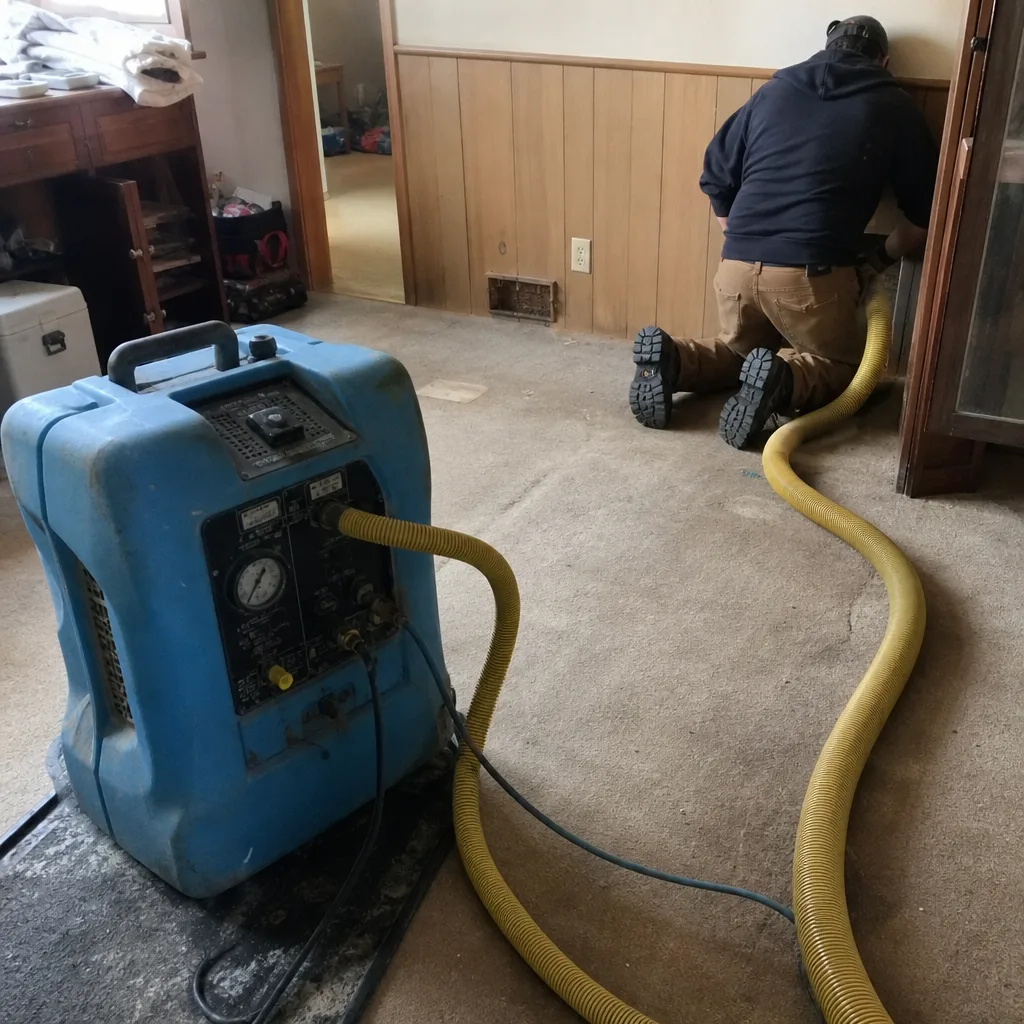 Before
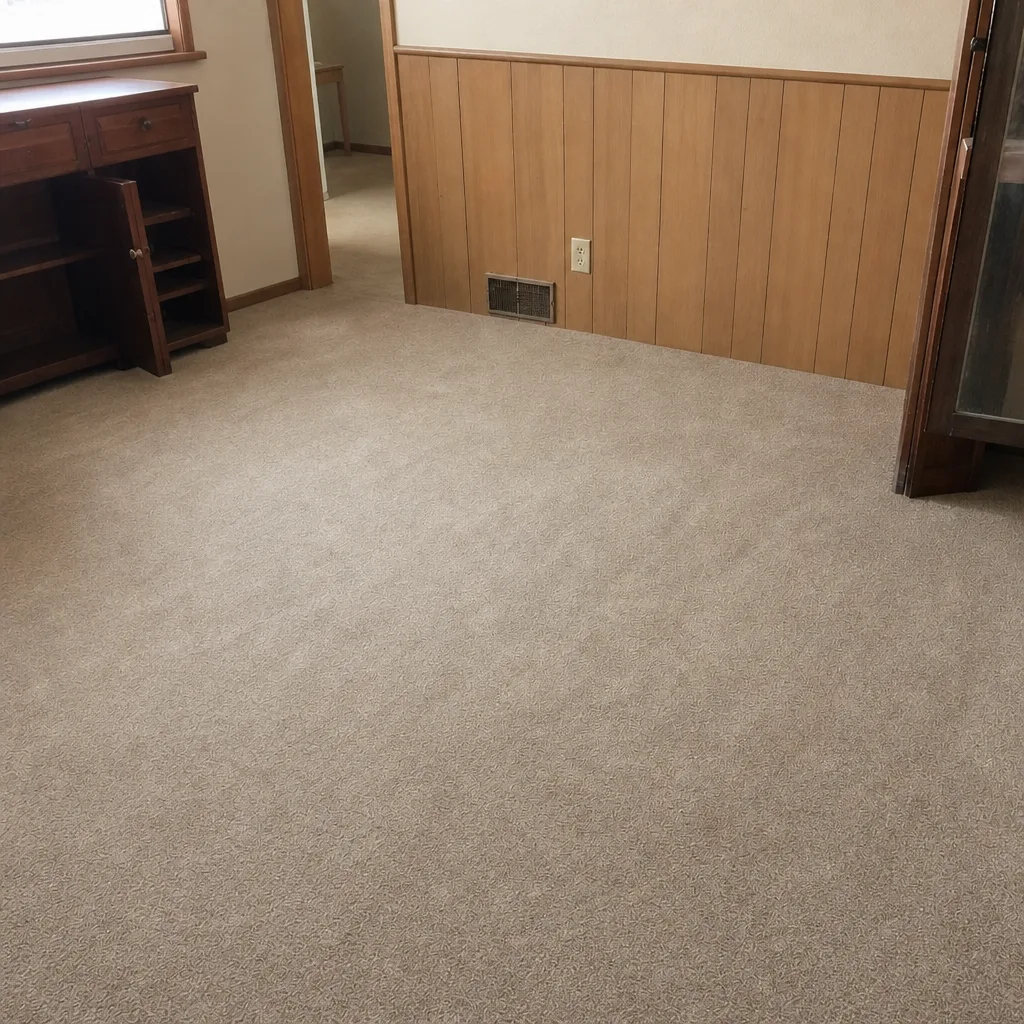 After
When to Call a Professional
Some duct cleaning questions can wait. Others can’t.
Call a professional if you’re seeing visible dust blowing out of the supply registers when the system runs, if airflow has noticeably dropped in specific rooms, if you’ve recently had major renovation work in the home, if you’re buying a home with unknown duct history, or if your dryer is taking more than one cycle to dry a standard load. That last one is a dryer vent signal, and it’s worth acting on earlier rather than later – dryer vent cleaning is a fire-safety service as much as an airflow service, and lint buildup in the vent is a genuine risk.
If your system is old enough that you suspect crushed or separated ductwork, call even without an obvious symptom. A duct repair assessment costs nothing and can catch a problem before it becomes an expensive one.
For dryer vent cleaning or an air duct inspection anywhere in the area, Tacoma homeowners can call (888) 870-9539 for a free estimate. We’re a focused specialist, not a generalist HVAC company, and our three services – air duct cleaning, dryer vent cleaning, and air duct repair – are the only work our technicians do. Our technicians have up to 10 years of experience.
Frequently Asked Questions
Typical whole-system prices in the Tacoma area run somewhere in the low-to-mid-hundreds for smaller homes and into the several-hundreds for larger systems, depending on size, layout, and access. Anything dramatically below that range is worth questioning before the work starts. Ask what’s included, ask for a written estimate, and ask what gets added on-site. Call (888) 870-9539 for an exact quote – estimates are free.
Because the cheap quote is usually the entry to a different transaction. The low headline gets the technician on-site; the on-site conversation pivots to UV lights, sanitizers, and add-ons that carry the actual margin. Sometimes the cleaning itself is also performed with entry-level equipment – a shop-vac and hand tools rather than professional-grade HEPA systems – which means the work is less effective regardless of the price. The right comparison isn’t price-to-price. It’s equipment-to-equipment and quote structure to quote structure. Call (888) 870-9539 for an honest range on your system – estimates are free.
You ask for before-and-after photos or camera footage of your own ducts, and you look inside the registers yourself after the work is completed. A real contractor welcomes this because their work holds up. If the contractor can’t or won’t show you what was inside the ducts before and after, that’s the answer. Call (888) 870-9539 if you’d like a quote from a specialist who documents every job – estimates are free.
For most homes, every few years is reasonable; some homes can go longer. The bigger variables are recent renovation work, pets, smoking, and the condition of the duct system itself. Crushed or separated ducts contaminate faster than intact systems. Ask for a walkthrough inspection to know where your system actually stands before scheduling a regular cleaning cycle.
Yes, but as one factor among several rather than a complete credential. NADCA membership indicates a commitment to a published standard of care and specific industry training, and it’s verifiable with the association directly. It doesn’t excuse inadequate equipment or missing insurance, so treat it as one check in a series, not as the whole screen. Call (888) 870-9539 for a quote from a specialist – estimates are free.
We do both. Air duct repair is a standalone service, not a cleaning add-on, because Tacoma’s housing stock has a lot of separated joints, crushed flex runs, and disconnected ducts that need actual repair rather than another pass with a vacuum. Cleaning a broken duct doesn’t fix the leak dragging dust in from a crawl space or attic. Call (888) 870-9539 and we’ll tell you which service fits your system – estimates are free.
The Bottom Line
Hiring a duct cleaner in Tacoma comes down to three questions: what equipment are they bringing, how is the quote structured, and have they walked your system before the work starts. The answers separate specialists from generalists quickly. NADCA membership is a meaningful signal, but it doesn’t replace equipment verification or a written estimate. A flat-rate per-system price set in writing, before-and-after photos of your own ducts, and a contractor who can talk about static pressure and negative pressure without hesitation are the benchmark. Anything below that benchmark is a cheaper job, and it usually shows.
Ready to get a real answer on your system? Call Duct Cleaning Tacoma at (888) 870-9539 for a free estimate. We answer 24/7. Fast dispatch from 7am to 7pm, Sunday through Friday. One flat price per system, agreed before work starts, with before-and-after photos of your own ducts. Professional-grade Rotobrush and Nikro equipment, HEPA containment with Abatement Technologies, and duct repair as a standalone service – because we repair what we find.
Written by the team at Duct Cleaning Tacoma.