
Last updated November 15, 2026
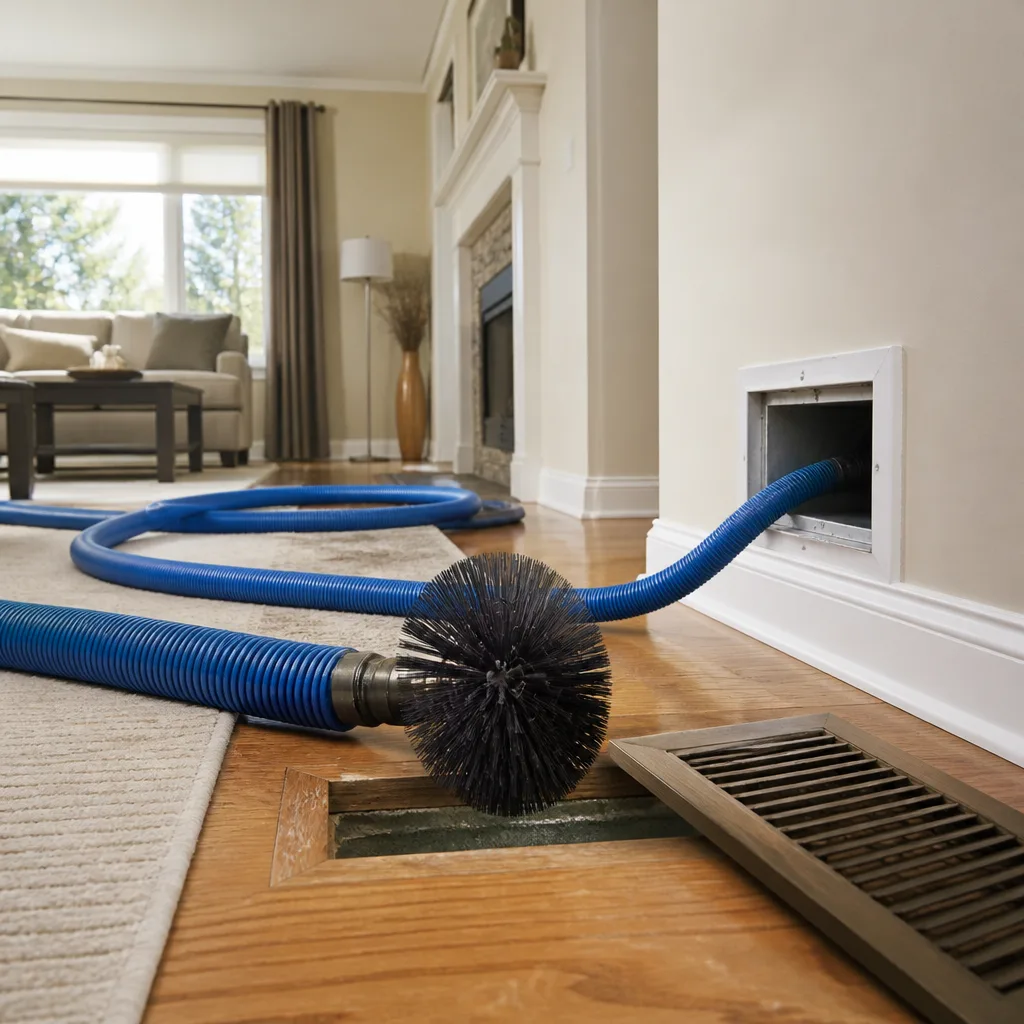 Whole-home duct cleaning
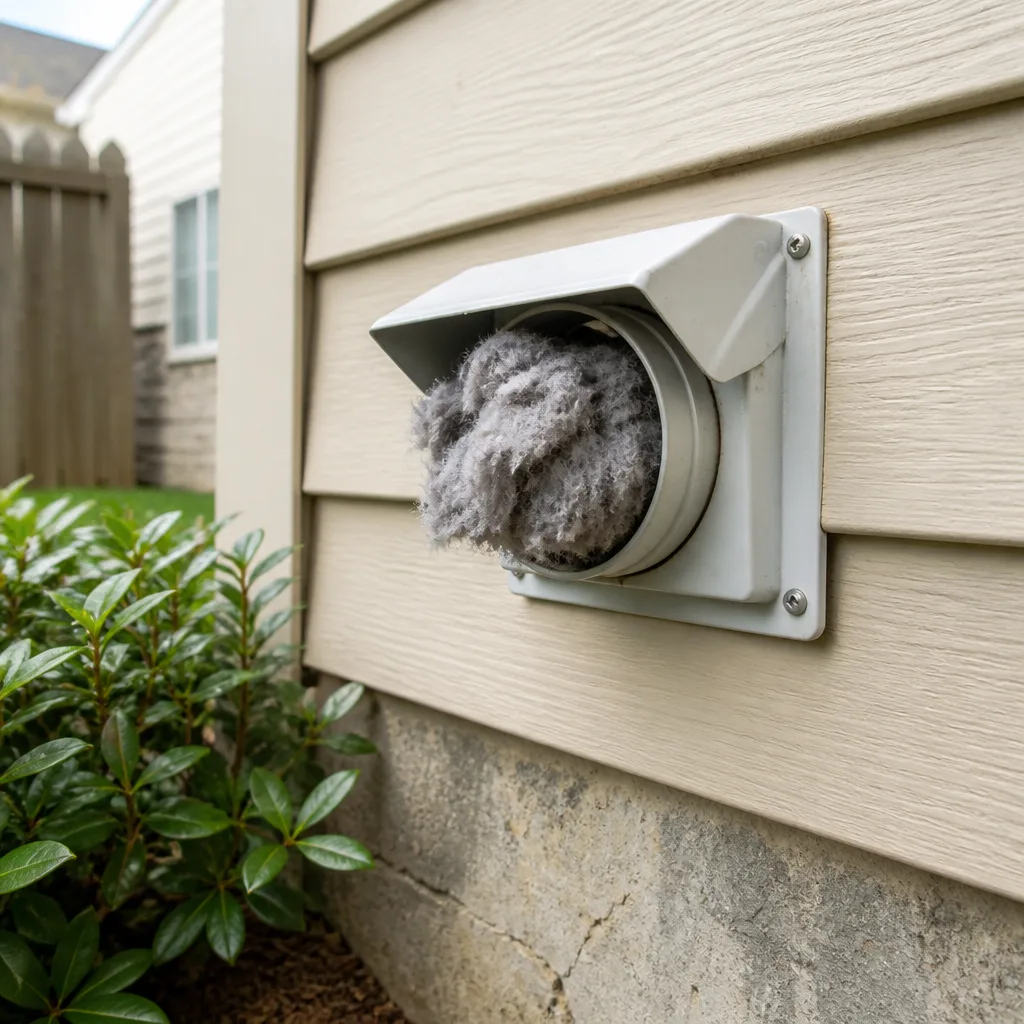 Dryer vent cleaning
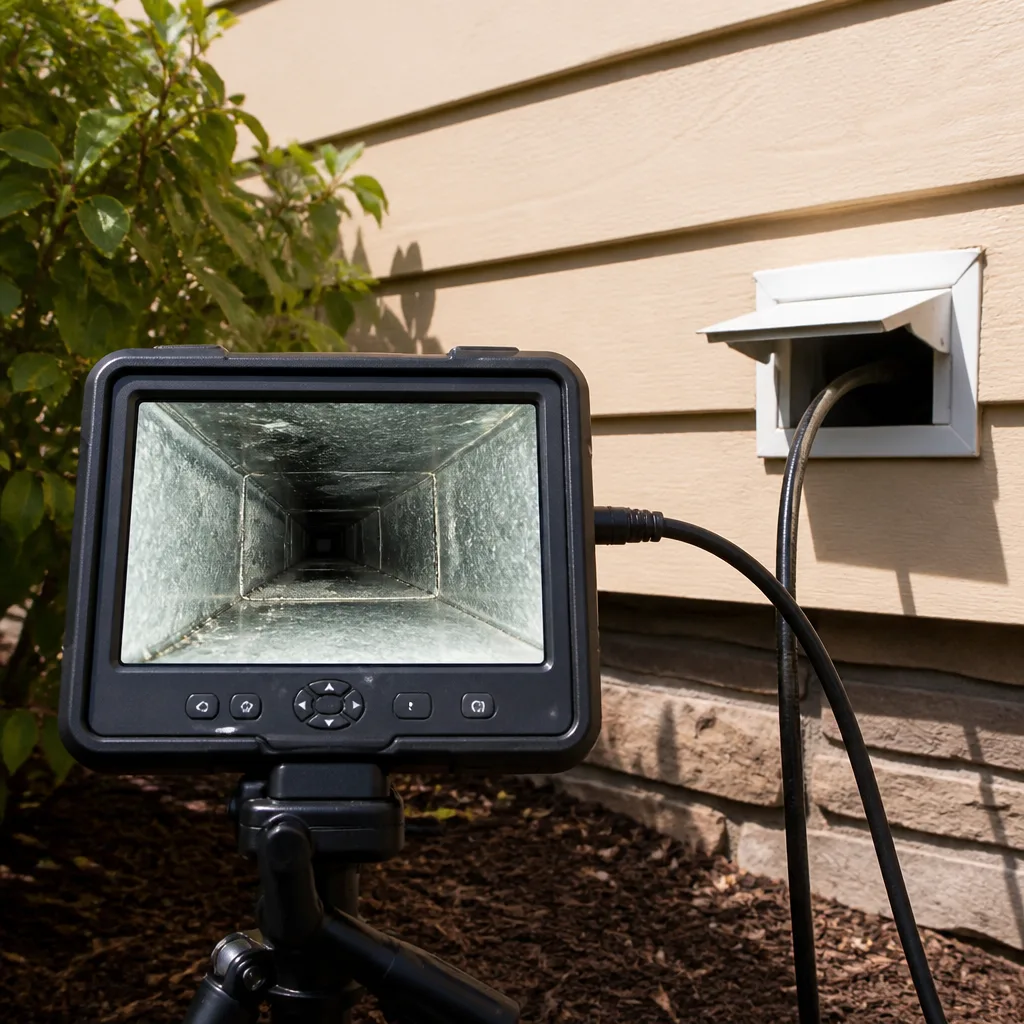 Camera inspection
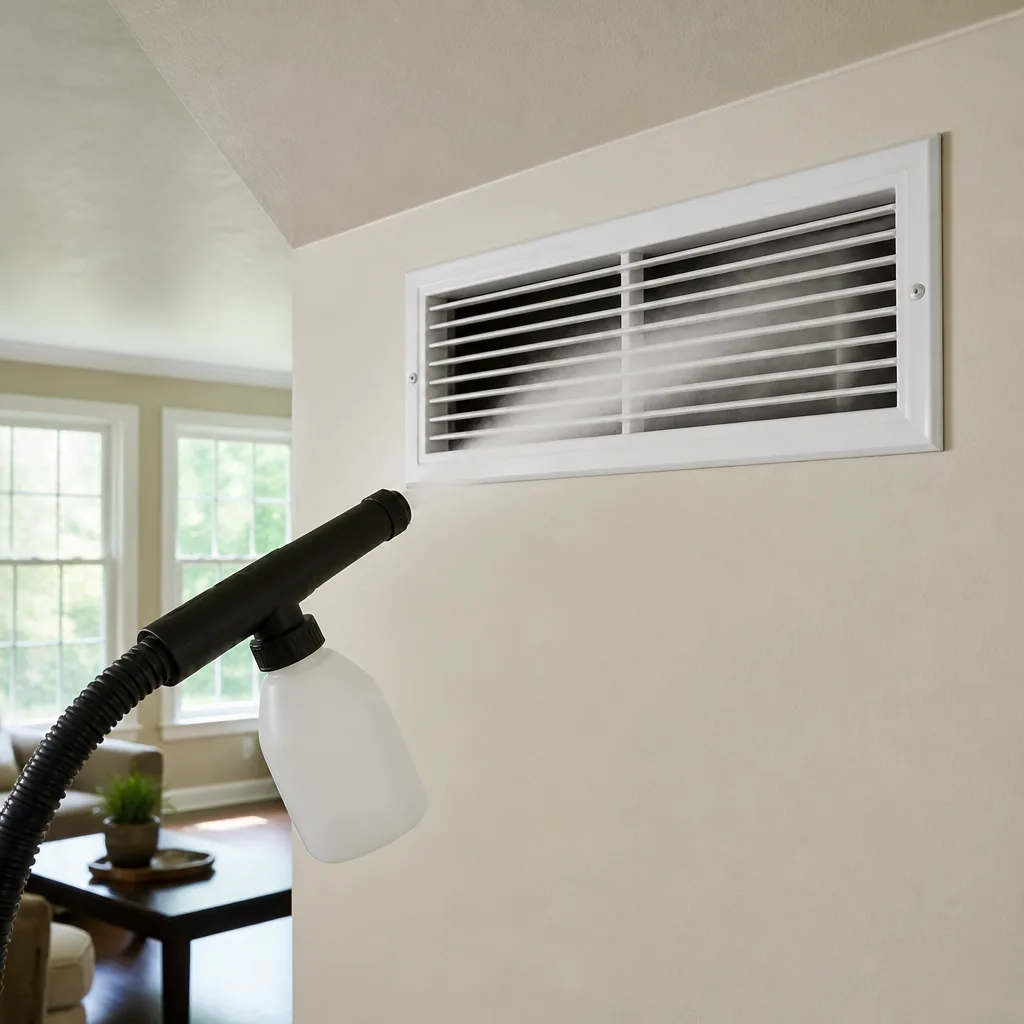 Sanitizing & deodorizing
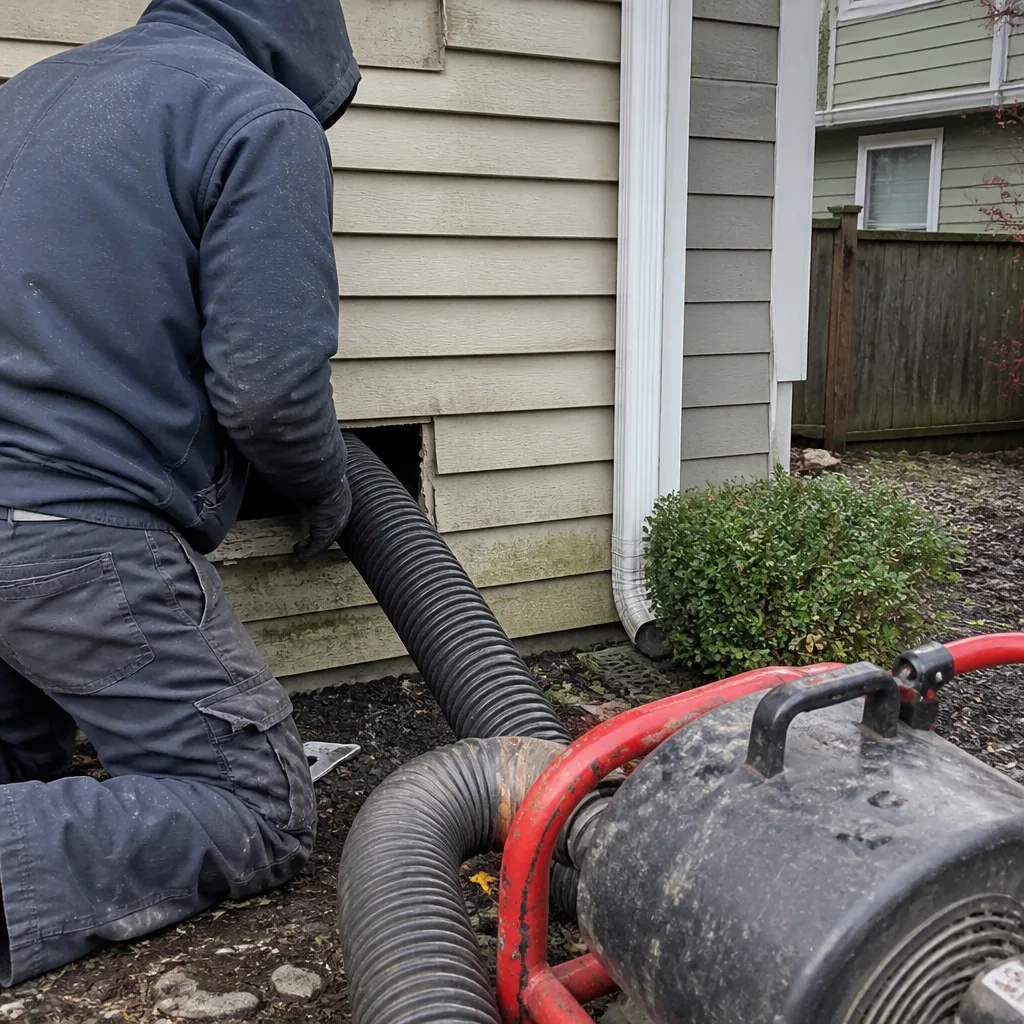
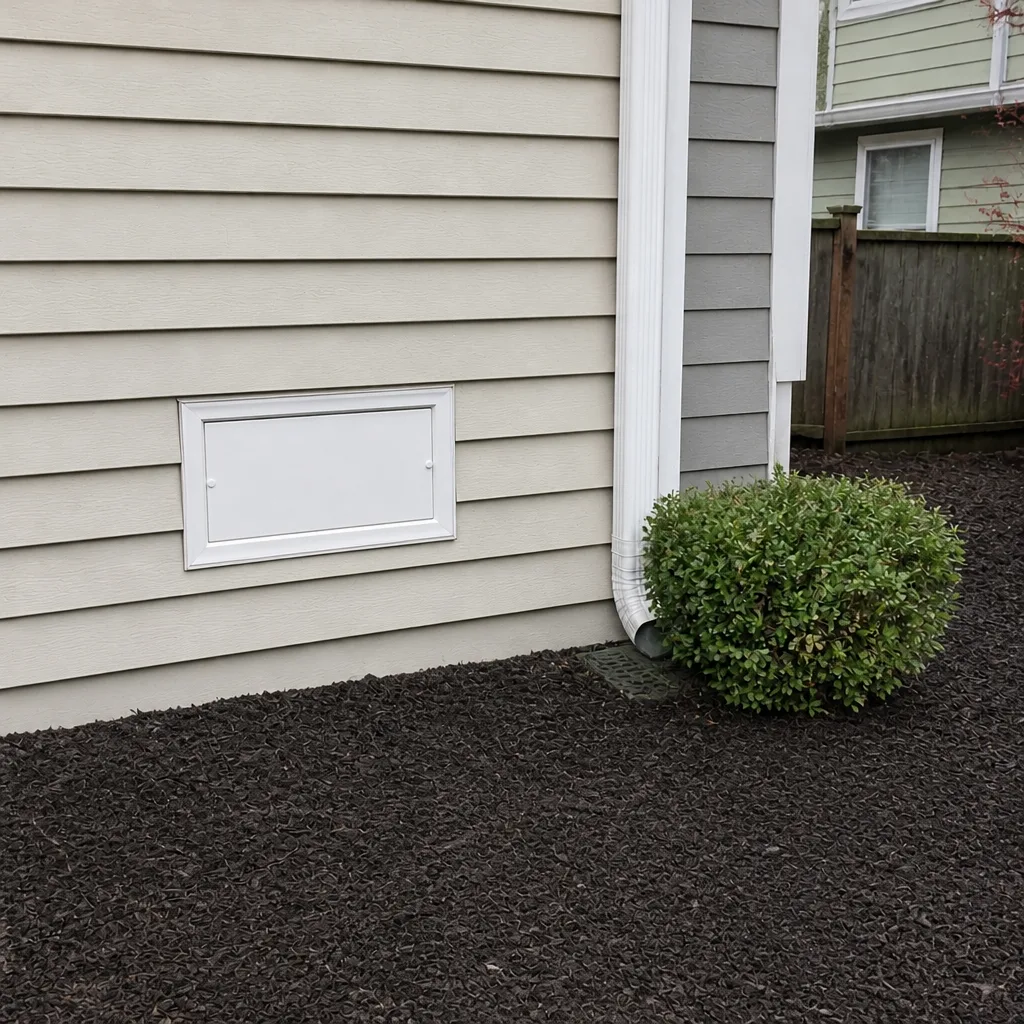
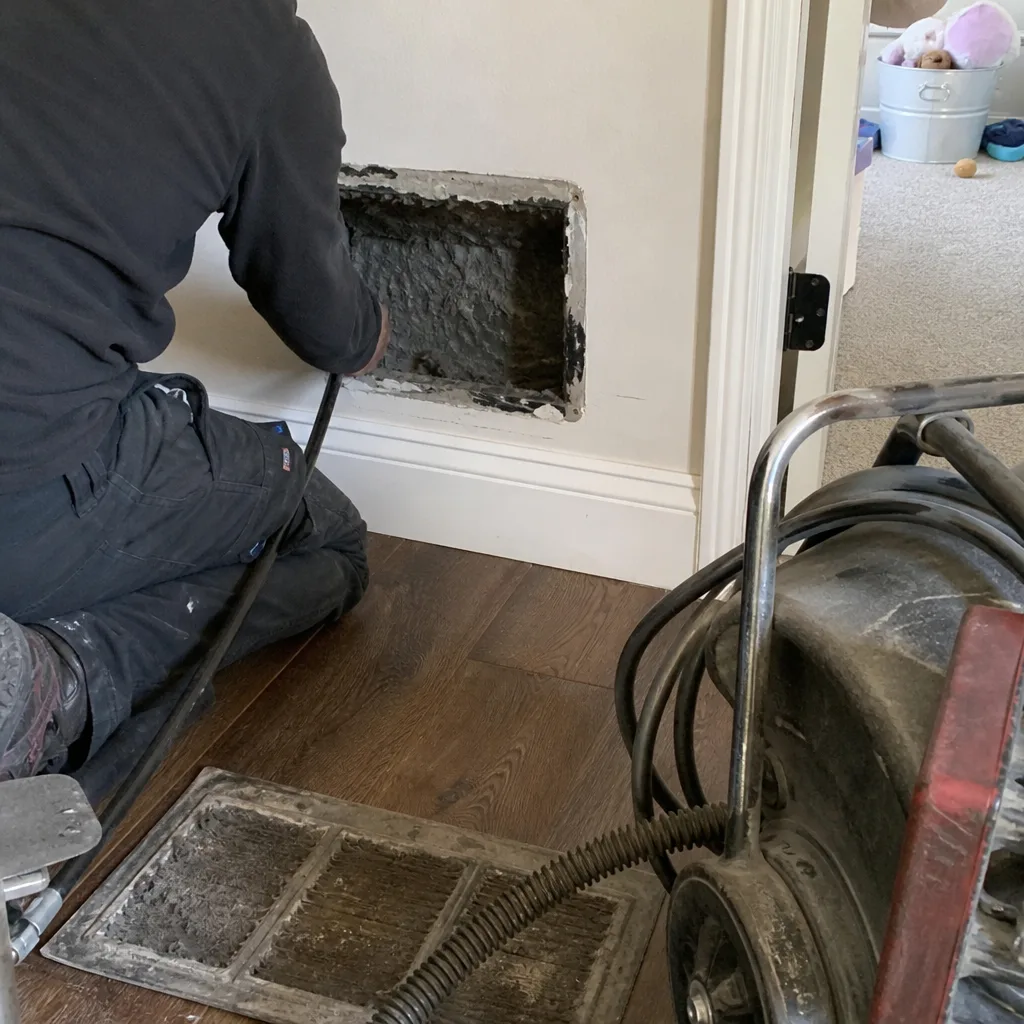
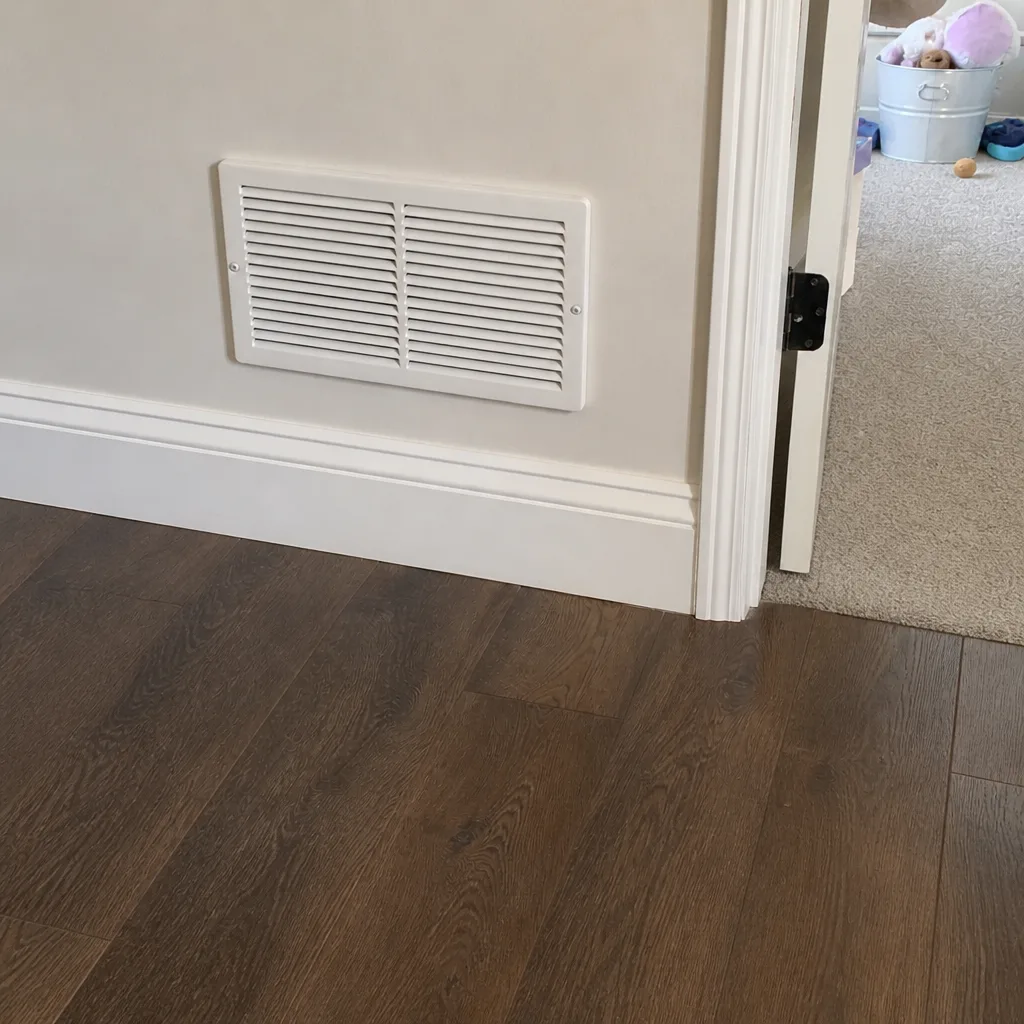
Whole-system duct and dryer vent check with before-and-after photos - you see exactly what came out of your vents
That "$99 whole-house special" is a bait ad - the real number appears once they are in your hallway, or the "clean" is a shop-vac at the register. We photograph the inside of your ducts before and after instead.
Air Duct Cleaning Emergency Preparedness Guide for Tacoma Homes
Most homeowners treat duct cleaning as routine maintenance, something to schedule when the vents look dusty or the house smells stale. But the events that actually matter for your duct system are acute: a week of wildfire smoke, a windstorm that knocks out power for three days, a burst pipe that floods the crawlspace, a kitchen remodel that fills every return with drywall dust. After the 2020 wildfire smoke events, HVAC service calls across Pierce County spiked. Not because smoke damaged mechanical components, but because particulate that bypassed filters during prolonged system runtime had coated duct surfaces and was recirculating long after outdoor air quality recovered. This guide covers the specific post-event protocols that protect a Tacoma duct system before acute contamination becomes a chronic air quality problem.
Quick Answer
After a smoke, flood, storm, or renovation event in Tacoma, the priority is to stop the system from spreading contamination, inspect the duct interior within 48 hours for moisture and debris, and document everything with photos and a written report before you file an insurance claim. If the event involved water or smoke that ran through the system for more than a day, professional cleaning with HEPA containment equipment is usually the right call, not a filter change alone.
Styles & brands we work with
- Whole-home duct cleaning
- Dryer vent cleaning
- Camera inspection
- Sanitizing & deodorizing
Table of Contents
- Wildfire Smoke Protocol for Tacoma Duct Systems
- Flood and Moisture Intrusion After a Storm
- Post-Renovation Duct Contamination
- Storm Power Outage Aftermath
- Documenting Duct Conditions for Insurance
- How Professional Duct Cleaning Actually Works
- Common Mistakes to Avoid
- When to Call a Professional
Wildfire Smoke Protocol for Tacoma Duct Systems
Wildfire smoke doesn’t behave like ordinary dust. The particles are small enough to pass through standard filters, and when a system runs for hours or days during a smoke event, those particles settle on duct interior surfaces and stay there. The outdoor air clears, but the ducts keep recirculating what they collected. That’s the pattern we’ve seen in Tacoma homes after the last few smoke seasons.
Here’s how to handle it:
- Decide whether to run the system at all. If outdoor air quality is unhealthy and you don’t have a high-MERV or HEPA filtration setup, shutting the system off is often the better choice. Running it pulls smoke into the return and distributes it. If you do run it, use “fan on” only briefly and switch back to “auto” so the system isn’t constantly pulling air from outside through a leaky return.
- Check filter loading every few days during the event. A filter that lasts three months in normal Tacoma conditions can load up in a week of heavy smoke. A visibly gray, matted filter is spent. Pull it, look at it in daylight, and replace if the pleats are clogged.
- Seal obvious return leaks. Smoke gets into ducts through gaps at the air handler cabinet, unsealed return plenums, and loose flex connections. A roll of foil tape isn’t a permanent fix, but it reduces intake during a smoke event.
- Schedule an inspection after the smoke clears. A post-event inspection should include looking at the return plenum, the main trunk, and several branch runs with a camera. A technician should be able to tell you whether surfaces are coated, whether the filter bypassed, and whether cleaning is warranted.
- Consider air quality components. If you’re adding filtration or a whole-home air cleaner after a smoke season, Honeywell and Aprilaire components are among the systems that integrate with residential ductwork. We service both.
Smoke events in Tacoma tend to arrive in late summer and early fall, when the system is already running for cooling or switching to heat. That overlap is what makes post-event cleaning worth doing: the contamination is already in the ducts when heating season begins.
Flood and Moisture Intrusion After a Storm
Water and ducts don’t mix, and in Tacoma’s older foundation homes, the water often comes from below. Crawlspace flooding after a heavy rain event can soak flex duct that runs under the floor, and once that flex duct is wet, the clock starts.
Mold can begin colonizing wet organic material, including the insulation inside flex duct and the paper liner of duct board, within roughly 48 hours. That timeline is why moisture intrusion after a storm is a different kind of problem than dust or smoke. It’s not about surface contamination. It’s about whether the duct material itself is compromised.
What to do:
- Shut the system off if you suspect water has reached ductwork. Running it pulls humid air and mold spores into living spaces.
- Find the water source first. Cleaning a wet duct system without fixing the source is wasted money. Crawlspace drainage, a failed sump, a roof leak that tracks down a wall cavity, or a plumbing failure under the floor all need addressing before any duct work starts.
- Inspect flex duct in the crawlspace. Flex duct that’s sagging, water-stained, or holding water in a low spot usually needs to be replaced, not cleaned. Cleaning a wet, mold-colonized section of flex won’t restore it.
- Air-dry the system before restarting. If the ductwork is rigid metal and got wet but not soaked, it can often be dried and cleaned. Flex and duct board are less forgiving.
- Get a professional assessment if you’re not sure. Moisture in a duct system is one of the cases where cleaning isn’t enough, and the fix requires repair or replacement of the affected runs.
This is where duct repair as a standalone service matters. A cleaning-only operator can pull debris out of a duct, but if the duct itself is damaged by water or separated at a joint, the system will keep leaking air into the crawlspace or attic, and the contamination will come back. We repair what we find, because on a Tacoma flood-related job the repair is often the actual solution.
Post-Renovation Duct Contamination
A kitchen or bathroom remodel generates a specific kind of debris that goes straight into the return: drywall dust, fiberglass insulation fiber, sawdust, and fine silica from tile and concrete work. Drywall dust in particular is a problem because the particles are small, they clump when they hit moisture, and they can coat the inside of ductwork in a layer that regular vacuuming won’t lift.
What makes post-renovation contamination different:
- Volume. A remodel produces pounds of fine dust over weeks. A typical filter catches some of it, but a long renovation with the system running will overwhelm filtration.
- Fiberglass. Insulation fiber that gets into ductwork doesn’t break down. It stays in the air stream unless it’s mechanically removed.
- Adhesion. Drywall dust sticks to duct surfaces, especially if humidity is high. A dry vacuum may not fully lift it. Mechanical agitation with a Rotobrush system is the standard approach for this kind of contamination because the brush loosens what’s bonded to the surface.
The right move during a remodel is to seal off returns in the work area with plastic and tape, or to run the system in “off” mode and use portable filtration. If you didn’t do that, a post-renovation cleaning is worth scheduling once the dust has settled and before heating season.
One thing to check: after a major remodel, some contractors reroute or add duct runs. If the new runs weren’t sealed properly, they’ll leak air into unconditioned space. That’s a repair issue, not a cleaning issue, and it’s worth having someone look at the whole system rather than just the dustiest sections.
Storm Power Outage Aftermath
Winter windstorms in Tacoma can knock out power for hours or days. When the system sits idle through a cold, wet stretch, moisture can condense on cool metal surfaces inside the return plenum and on the air handler cabinet. That condensation is a starting point for mold if the system stays off long enough.
Before you restart the system after an extended outage:
- Look for standing water or staining around the air handler, the return plenum, and any duct runs in the crawlspace or attic.
- Check the filter. If it’s damp, replace it before you run the system.
- Smell the return. A musty or sour smell at the return grille is a sign that moisture has been sitting. Don’t run the system until you know what’s causing it.
- Look inside the return plenum with a light. If you can see condensation, rust, or dark spots on the interior surface, get a professional inspection before the system runs.
- Run the system briefly and listen. Odd noises, a burning smell, or odd behavior from the air handler after a long idle period means shut it off and call someone.
The concern here isn’t the duct cleaning itself. It’s that a power outage often coincides with a storm that also delivered water, and the combination of cold, moisture, and stillness is what creates the condensation that causes a problem. Inspecting before you restart is cheaper than cleaning up after a mold bloom.
Documenting Duct Conditions for Insurance
If a storm, flood, or fire event is going to be covered by homeowners insurance, the documentation you collect in the first few days matters more than the cleaning you schedule in the first few weeks. Insurers want to see the condition before any remediation, the cause of the damage, and a professional assessment of what needs to be done.
Here’s what to collect:
- Photos and video of the event. Water lines in the crawlspace, water-stained duct insulation, smoke coating on visible surfaces, and the condition of filters at the time of the event. Take wide shots that show location, then close-ups.
- Photos of the duct interior if you can safely access it. Grille-level photos of dust coating, debris in the return plenum, or visible water are useful. Don’t disassemble ductwork for this; a camera or phone at the grille is enough.
- Dates and timelines. When the event happened, when the system was shut off, when power was restored, when the cleaning was performed. Insurers need the sequence.
- Air quality readings if you have them. A consumer air quality monitor isn’t a substitute for a professional measurement, but a timestamped reading from during the event is still useful context.
- A written report from a contractor. This should describe what was found, what was cleaned or repaired, and what the condition of the system was after the work. A duct cleaning contractor should be able to provide this. We can.
- Before-and-after photos of your own ducts. Photos of the interior of the system before and after cleaning are the clearest proof that the work was done and that the system condition changed.
One practical note: insurers vary in what they require, and whether duct cleaning is covered after a specific event depends on the policy. Call your adjuster, find out what documentation they want, and let the contractor know so the report matches what’s needed.
How Professional Duct Cleaning Actually Works
The single biggest difference between a professional duct cleaning and a cheap one is what happens to the debris once it’s dislodged. If the equipment doesn’t capture it, it goes somewhere else in the house.
Here’s the process, generally:
- Set up negative-air containment. Abatement Technologies negative-air and HEPA containment equipment keeps the work area under negative pressure, so loosened debris is pulled toward collection rather than into living space. This matters most in post-smoke and post-renovation cleaning, where the contaminant is fine and easily airborne.
- Open access points along the duct runs. Cleaning requires access at the trunk and at branch connections. A technician who only vacuums at the registers is cleaning the ends, not the ducts.
- Agitate the duct interior. Rotobrush agitation systems are the industry standard for mechanical duct cleaning. The brush loosens material that’s bonded to duct surfaces, including drywall dust and smoke residue that a vacuum alone won’t lift.
- Collect with HEPA filtration. Nikro HEPA-filtered collection units capture what’s been loosened. The contamination is captured, not recirculated.
- Clean the air handler, coil, and blower as part of the job. A cleaned duct system connected to a dirty air handler isn’t clean. This is where most cheap jobs skip steps.
- Repair and reseal. Loose connections, torn flex, and unsealed joints should be repaired before the system goes back into service. Cleaning a leaky system is a temporary fix.
- Document the result. Photos of the interior before and after, and a written summary of what was found and done. Ask for this in advance so you know it’s coming.
If you’re shopping around, these are the questions that separate a specialist from a generalist: What equipment do you use? Do you clean the air handler? Do you offer repair? Do you provide before-and-after photos? If the answers are vague, the job is probably going to be a shop-vac and a few grille cleanings.
Common Mistakes to Avoid
- Running the system during a smoke event without checking the filter. A clogged filter during heavy smoke pushes particulate past the filter and into the ducts. Check it every few days when the air is bad, not on the usual three-month schedule.
- Cleaning ducts after a flood without finding the water source. Crawlspace moisture in Tacoma homes often comes from drainage, not from a single plumbing failure. Clean the ducts and leave the drainage issue, and you’ll be cleaning them again next season.
- Accepting a per-vent price. A per-vent quote tells you nothing about whether the trunk, the air handler, or the return plenum will be cleaned. Whole-system pricing is the only honest way to price the job.
- Skipping the air handler. The coil, blower, and drain pan collect the same debris that lands in the ducts. Cleaning ducts without cleaning the air handler means the system reintroduces contamination immediately.
- Restarting after a winter outage without a look inside the return. Condensation in the return plenum is invisible from the thermostat. A five-minute check with a light saves a mold problem.
- Assuming a repair is a cleaning. Torn flex, disconnected joints, and crushed runs need repair, not cleaning. Cleaning a broken duct system doesn’t fix the leak, and the contamination comes back.
- Not documenting before the cleaning starts. Insurance claims and warranty conversations are easier with photos from the beginning. Once the system has been cleaned, the “before” condition is gone.
When to Call a Professional
Some duct issues resolve with a filter change and some patience. Others need a professional on site. Call us if any of these apply after an event in Tacoma:
- Water reached the ductwork, especially flex duct in a crawlspace
- The system ran for more than a day during a heavy smoke event without upgraded filtration
- The house was recently renovated and the system ran during the work
- The system sat idle through a cold, damp power outage and the return smells musty
- You’re filing an insurance claim and need a written report and photos
- You’ve been told by a cleaning-only company that a repair isn’t possible
Duct Cleaning Tacoma offers free estimates in Tacoma – call (888) 870-9539. We answer 24/7. Fast dispatch from 7am to 7pm, Sunday through Friday.
See the difference
 Before
 After
 Before
 After
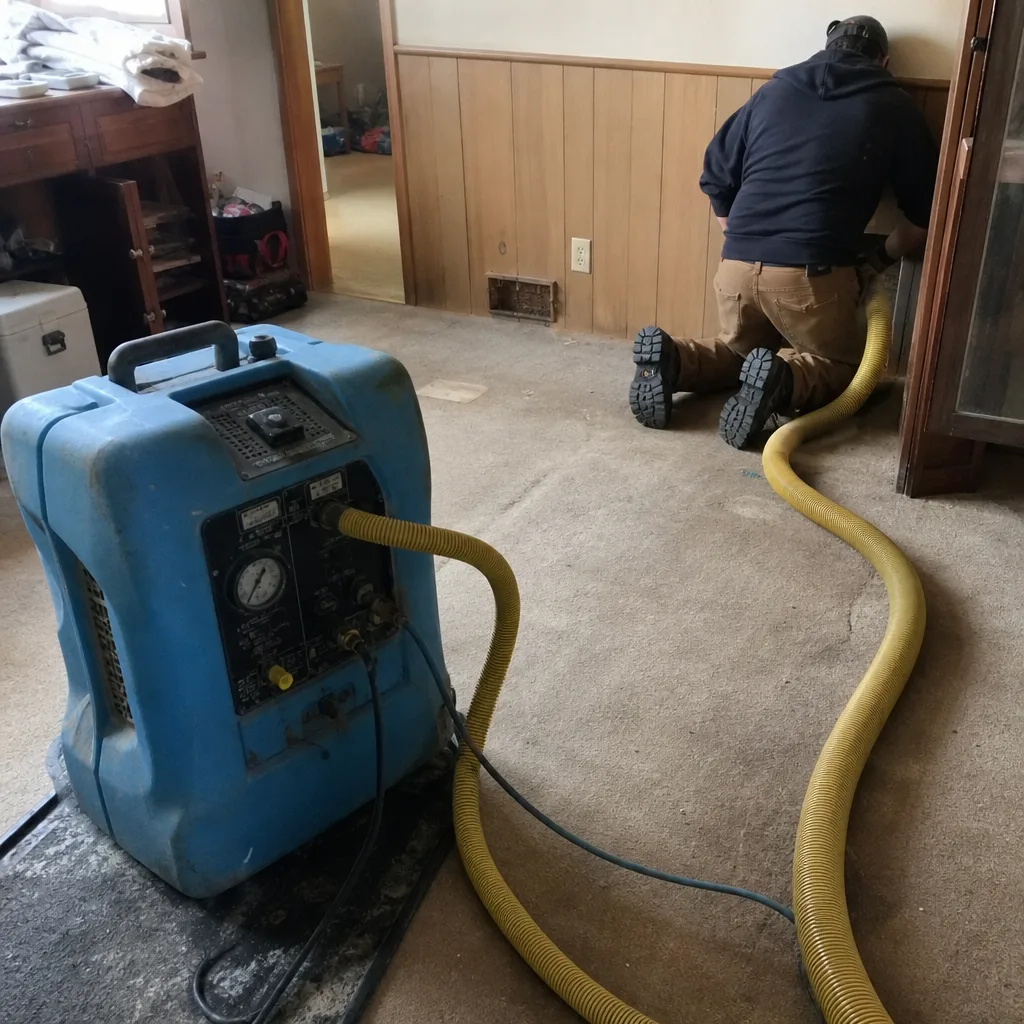 Before
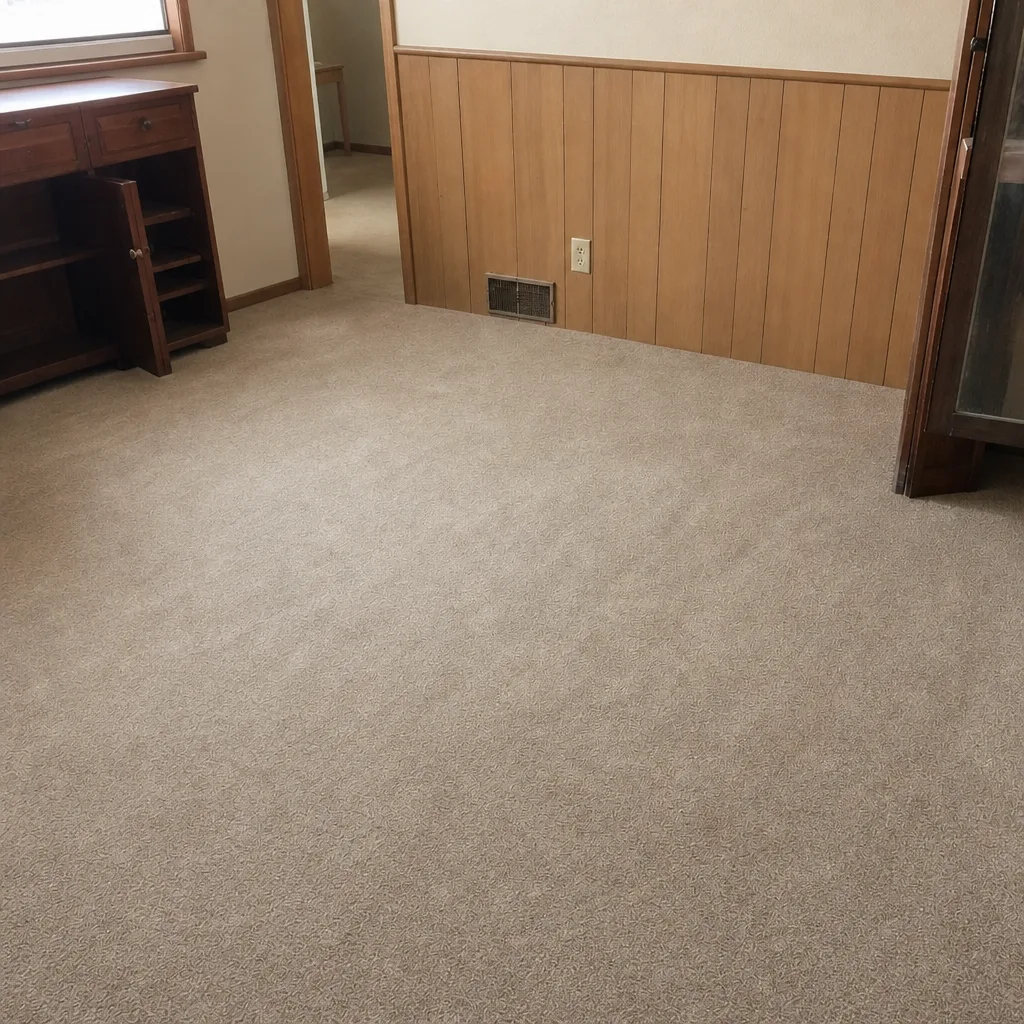 After
Frequently Asked Questions
Schedule an inspection within the first few weeks after the smoke clears, especially if the system ran during the event. Smoke particulate settles on duct surfaces and keeps recirculating through heating season if it isn’t removed. Waiting until spring is usually not a problem if you haven’t yet turned the heat on, but once the system is running regularly, contamination is active. Call (888) 870-9539 to schedule an inspection – estimates are free.
Sometimes, but not always. Rigid metal duct that got wet but not soaked can often be dried, cleaned, and returned to service. Flex duct and duct board that have been wet long enough for mold to colonize usually need replacement, not cleaning. The right first step is a professional inspection that identifies what material was affected and what condition it’s in.
Photos of the damage before any work is done, dates of the event and the shutdown, a written report from a contractor describing what was found and what was cleaned, and before-and-after photos of the duct interior. Ask your adjuster what they require and pass those requirements to the contractor at the start of the job.
It depends on moisture. A dry system can sit for weeks without issue. A system that saw condensation because the outage happened during a cold, wet stretch is different. Inspect the return plenum and air handler cabinet within a few days of power restoration, and get a professional look if you see condensation, rust, or dark spots.
Usually yes, if the system ran during the work. Drywall dust, fiberglass fiber, and sawdust all collect in duct interior surfaces and stick. A filter catches some of it, but not to the level that a post-renovation cleaning isn’t worth doing. Cleaning before heating season keeps that debris from becoming part of the winter air.
Cheap quotes usually skip the parts of the job that take equipment and time: the air handler cleaning, negative-air containment, agitation, and the trunk and branch runs. A good quote reflects a whole-system job with professional equipment. One flat price per system, agreed before work starts, is what we provide – with before-and-after photos of your own ducts. Call (888) 870-9539 for an exact quote.
The Bottom Line
Events that matter for Tacoma duct systems are acute: wildfire smoke, windstorm power outages, flood water in the crawlspace, and renovation dust. In each case, the wrong move is the same – leave the system running, ignore the moisture, and wait to see if it clears up. The right move is to shut the system down, inspect, document, and repair before cleaning. Whether you’re dealing with smoke from the last season, water from last week’s storm, or dust from a remodel, the system tells you what it needs if you look inside. When you’re ready to have someone inspect it, Duct Cleaning Tacoma provides free estimates on air duct cleaning, dryer vent cleaning, and duct repair across Tacoma. Call (888) 870-9539. We answer 24/7. Fast dispatch from 7am to 7pm, Sunday through Friday.
Contact
If you’re dealing with a duct issue after a smoke event, storm, flood, or renovation, the sooner you know what’s inside the system, the faster you can decide what to do. Call Duct Cleaning Tacoma at (888) 870-9539 for a free estimate. We’ll look at what’s actually there and tell you what the system needs – cleaning, repair, or something else. You can also start with the Duct Cleaning Tacoma home page to see our three-service focus and get an overview before you call.
Written by the team at Duct Cleaning Tacoma.