
Last updated November 15, 2026
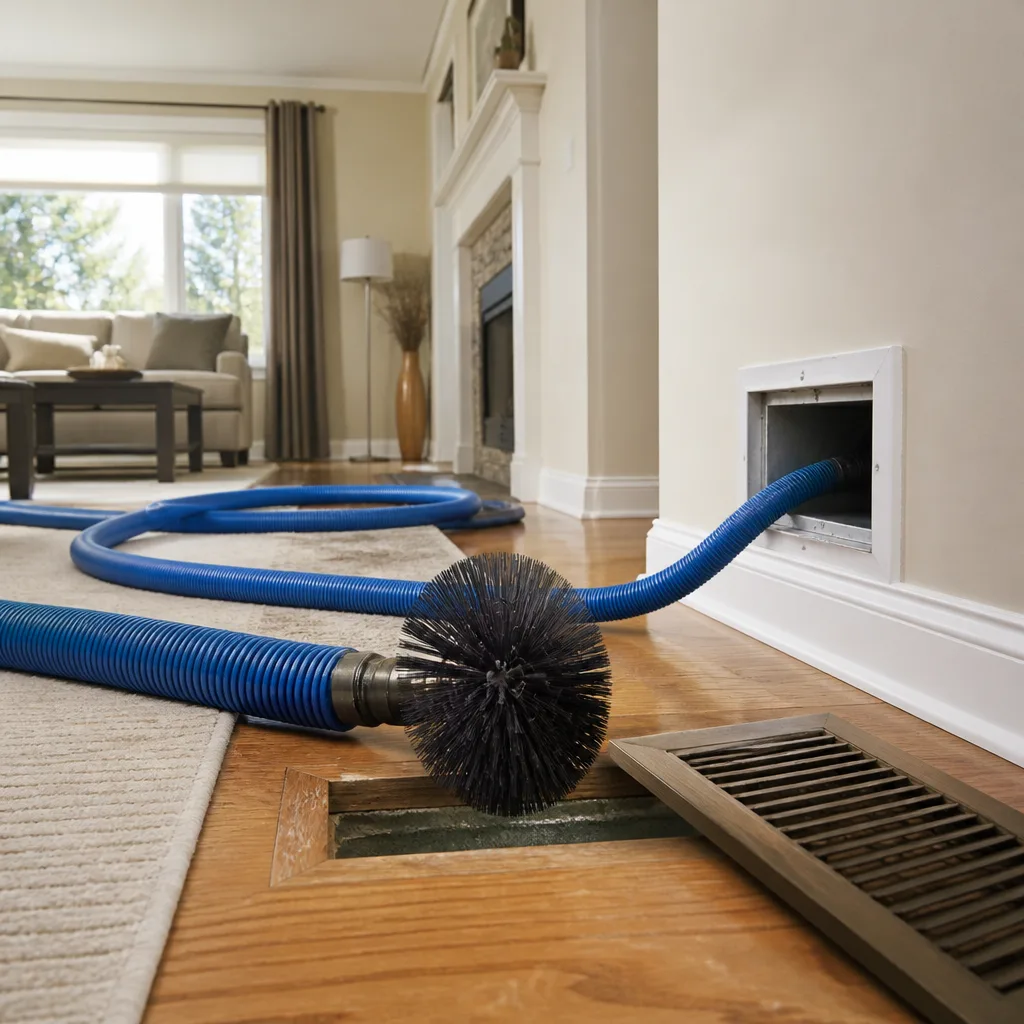 Whole-home duct cleaning
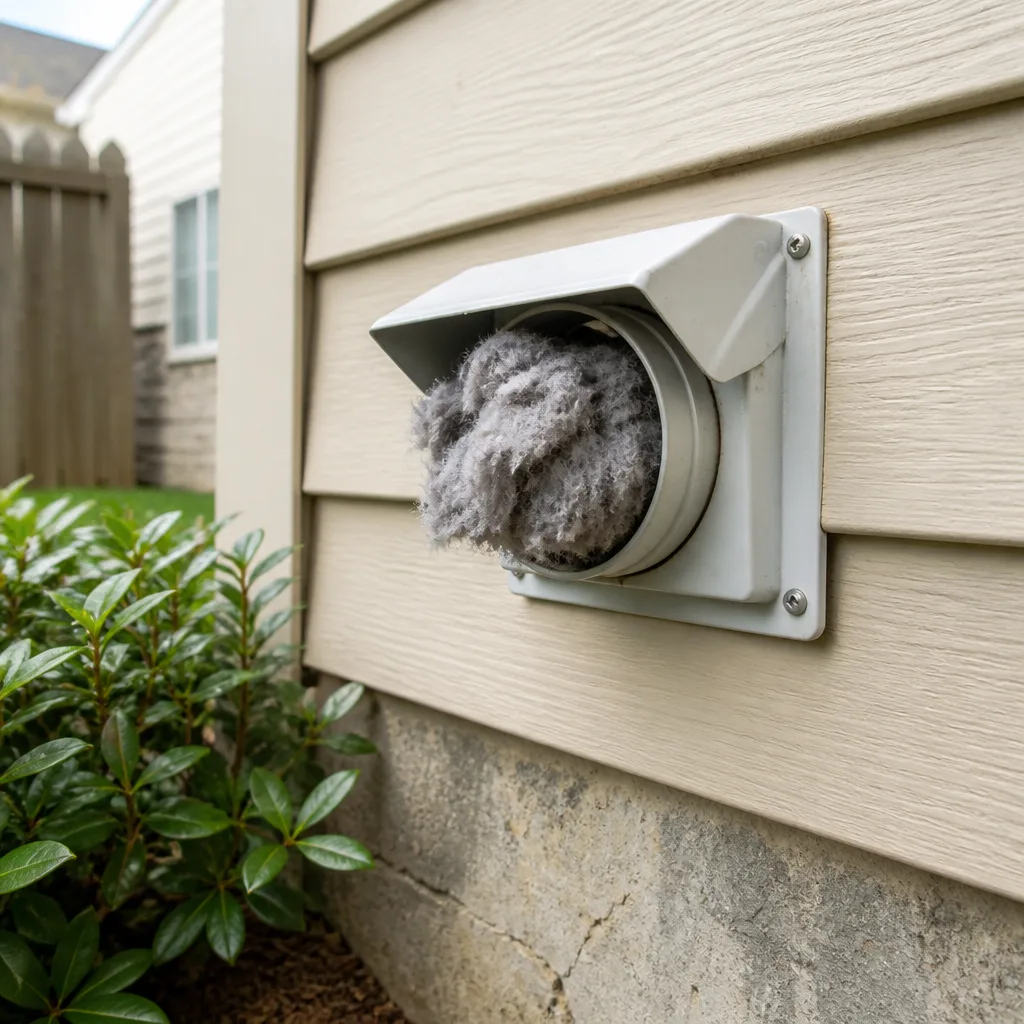 Dryer vent cleaning
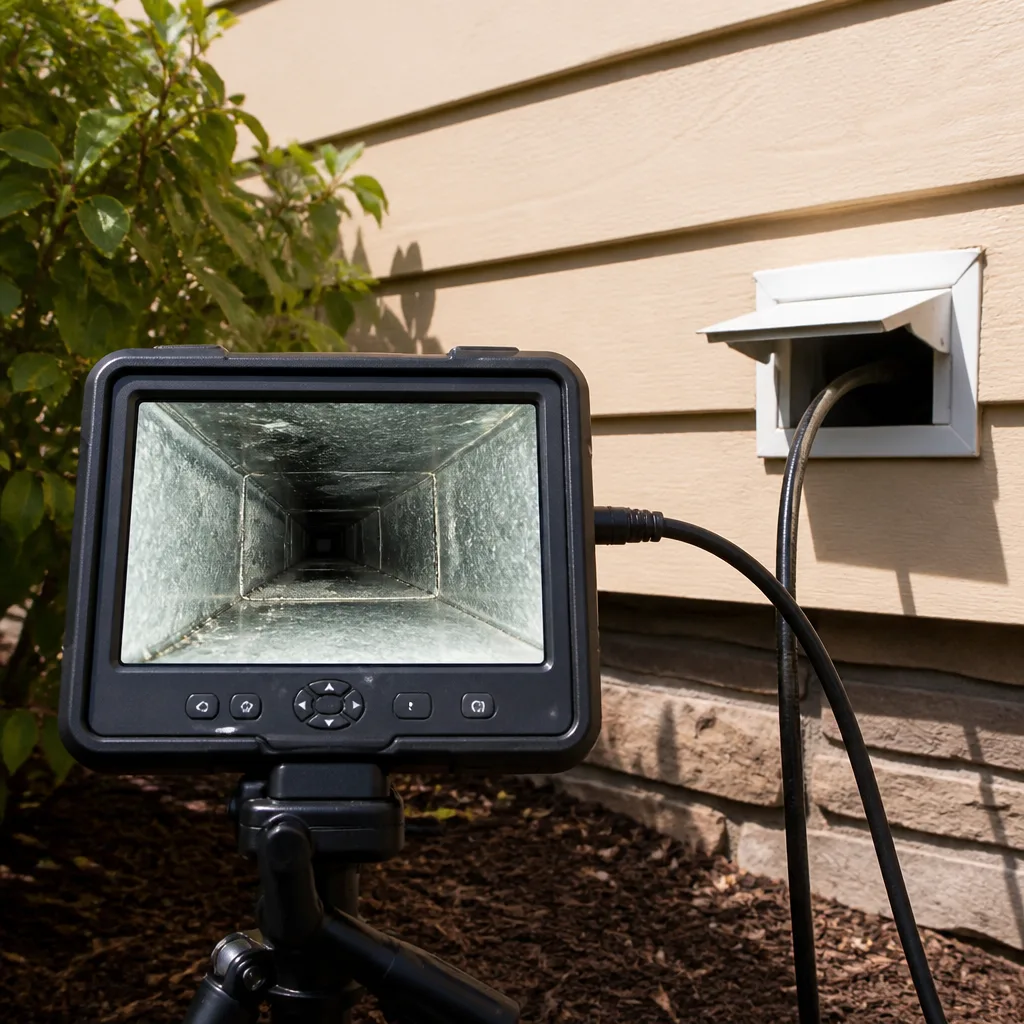 Camera inspection
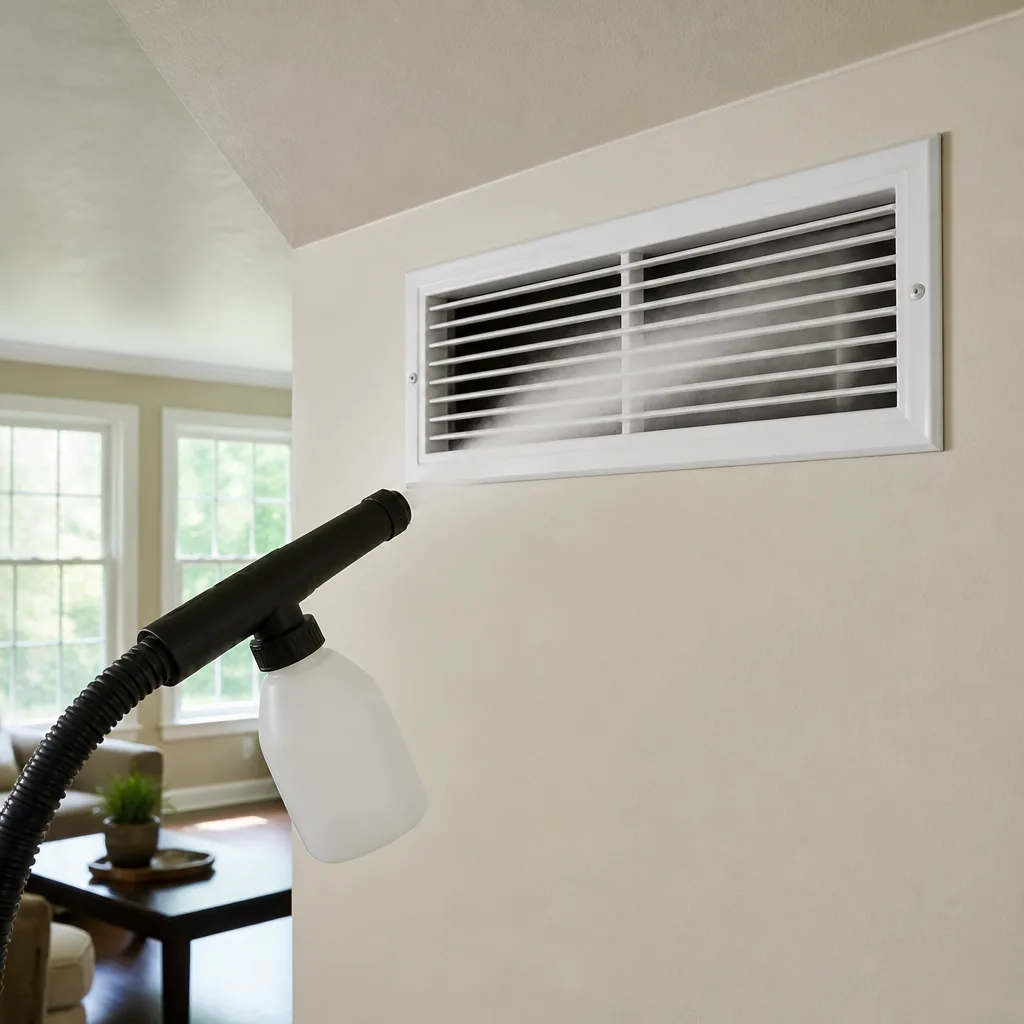 Sanitizing & deodorizing
Whole-system duct and dryer vent check with before-and-after photos - you see exactly what came out of your vents
That "$99 whole-house special" is a bait ad - the real number appears once they are in your hallway, or the "clean" is a shop-vac at the register. We photograph the inside of your ducts before and after instead.
The Complete Guide to Air Duct Cleaning in Tacoma
Most Tacoma homeowners assume their ducts are either clean or dirty. In our experience, that’s the wrong way to look at it. What we actually find inside Tacoma homes is a mix of specific contamination types – humidity-driven biological growth, fine wood smoke residue, construction dust from remodels, and pet dander trapped in flex runs – and each one responds to different equipment and techniques. Treating them all with the same pass of a shop vac and a brush is why so many “cleanings” in Tacoma underdeliver. This guide maps what’s genuinely going on inside local duct systems, what professional equipment does that consumer tools can’t replicate, and how to read the results of a job so you know it was done right.
Quick Answer
Air duct cleaning in Tacoma means mechanically agitating the entire duct system under negative pressure so dislodged debris is captured by HEPA filtration rather than pushed back into your rooms. A proper job uses contractor-grade equipment like Rotobrush agitation tools and Nikro or Abatement Technologies collection units, cleans every accessible supply and return run, and finishes with an airflow and before-and-after visual check you can review. In Tacoma’s damp climate, the inspection that comes before cleaning matters as much as the cleaning itself, because moisture problems need to be identified and addressed before agitation stirs anything up.
Styles & brands we work with
- Whole-home duct cleaning
- Dryer vent cleaning
- Camera inspection
- Sanitizing & deodorizing
Table of Contents
- Why Tacoma’s Climate Creates Duct Problems You Won’t See Elsewhere
- Humidity, Mold, and What to Check Before Cleaning Begins
- Contact Vacuuming vs. Negative-Pressure Mechanical Agitation
- What Rotobrush and Nikro Equipment Actually Does Inside the Duct
- Older Tacoma Housing Stock and Duct Access Strategy
- How to Read a Post-Cleaning Airflow Check
- How Much Does Air Duct Cleaning Cost in Tacoma?
- When Cleaning Isn’t Enough: Duct Repair as a Separate Job
Why Tacoma’s Climate Creates Duct Problems You Won’t See Elsewhere
Duct cleaning advice written for Phoenix or Denver misses the mark in Tacoma, and it isn’t close. Those guides assume dry air and dust as the dominant contaminant. Tacoma’s marine humidity, its older housing stock, and a genuine wood-burning culture across neighborhoods like North End and Proctor combine to create contamination profiles you won’t find in the desert Southwest. A cleaning method built for dry dust can actually make a Tacoma duct system worse if it agitates material without first addressing moisture.
Here’s what we’ve seen repeatedly in Tacoma homes:
- Biological growth in return plenums and flex runs. Persistent humidity in crawl spaces and basements keeps relative humidity elevated inside duct systems. Where cool supply air meets warmer, humid return air, condensation forms and mold has a surface to grow on.
- Wood smoke residue. Wood-burning fireplaces and stoves are common in Tacoma. Fine particulates from smoke settle in return ducts and coat interior surfaces with a sticky film that traps dust.
- Construction dust from remodels. Tacoma’s older housing stock gets renovated constantly. Drywall dust and sawdust pulled into return ducts during a remodel can linger for years if the system isn’t cleaned afterward.
- Pet and biological dander in carpeted homes. Humid air keeps fine dander particles clumped and stuck to duct walls instead of moving through the system.
- Pollen pulled in during spring. The Puget Sound region’s long pollen season means outdoor allergens enter through returns and settle where airflow is weakest.
The takeaway: a Tacoma duct cleaning needs a moisture assessment first, and a contamination-specific cleaning plan second. Generic “blow it out and vacuum” jobs skip both.
Humidity, Mold, and What to Check Before Cleaning Begins
Before any agitation happens, a competent technician inspects for moisture. In Tacoma, this step separates a real cleaning from a cosmetic one. If mold is growing in a duct run, dry mechanical agitation will dislodge spores and send them through the system. You want the moisture source identified and addressed first, then the contaminated material cleaned under containment.
Here’s what a proper pre-cleaning inspection looks like:
- Visual inspection of the air handler and return plenum. The return plenum is where humidity problems show up first, and it’s often the most contaminated part of a Tacoma system.
- Moisture reading on duct surfaces. Wet or damp galvanized metal and soaked insulation both indicate a moisture problem that needs fixing before cleaning.
- Crawl space and attic check. Duct runs in unconditioned spaces are exposed to Tacoma’s humid air and often show condensation on the exterior of the duct.
- Filter and air handler condition. A clogged or wrong-MERV filter restricts airflow and lets moisture build up. We flag filter issues before starting.
- Contamination type identification. Mold, dust, smoke residue, and construction debris each get treated differently. Identifying what’s actually in the ducts determines the equipment and agitation approach.
If we find active mold growth, the honest answer is that cleaning handles the contamination but the moisture problem has to be solved separately or it comes back. We tell homeowners that directly rather than cleaning around it. If you suspect moisture issues in your system, our air duct cleaning service starts with this inspection.
Contact Vacuuming vs. Negative-Pressure Mechanical Agitation
Most low-bid duct cleaning crews do what’s called contact vacuuming: they attach a vacuum hose to a register and pull debris from the opening while brushing what they can reach. It’s fast, requires minimal equipment, and looks convincing in a sales pitch. It also leaves the vast majority of the duct interior untouched. In an older Tacoma home with long duct runs and flex-to-metal transitions, contact vacuuming cleans maybe the first few feet of each branch and nothing else.
Negative-pressure mechanical agitation is the process that actually cleans a duct system. Here’s the difference in plain terms:
- Contact vacuuming pulls debris through a register opening. It relies on the vacuum’s reach and the technician’s arm length. No containment, no system-wide pressure control, no way to verify the far end of a 20-foot run.
- Negative-pressure agitation seals the system and puts it under continuous negative pressure using HEPA containment equipment. A rotary agitation tool travels the length of every accessible run, breaking contamination loose. Because the system is under negative pressure, every particle that gets dislodged is pulled toward the collection unit instead of into your living room.
That distinction matters most in older Tacoma homes, where duct runs are longer, transitions are more numerous, and contamination has had more time to accumulate. A duct system in a North End bungalow or a Hilltop craftsman has usually been reworked at least once across its life, which means mixed materials, awkward transitions, and contamination trapped in places a contact vacuum can’t see. Mechanical agitation gets to those places because the tool travels the duct rather than reaching in from the opening.
If a quote for duct cleaning doesn’t mention containment, negative pressure, or the equipment being used, ask about it before booking. Captured, not recirculated, is the standard you want applied to your home.
What Rotobrush and Nikro Equipment Actually Does Inside the Duct
A shop vac and a brush kit at a hardware store cannot replicate what professional-grade duct cleaning equipment does inside a duct run. That’s not a knock on shop vacs – it’s a physical reality of reach, agitation, and filtration. Here’s what our duct cleaning equipment actually does, in plain terms.
Rotobrush agitation systems. Rotobrush is the industry standard for mechanical duct cleaning for a reason. Its rotary brush whip or brush head travels the full length of a duct run inside the duct, spinning at high speed to break contamination off the duct walls. The tool follows the duct as it bends, which means it reaches flex runs, elbows, and transitions that a fixed brush on a rod can’t. Where a contact vacuum cleans the first few feet, a Rotobrush agitation whip cleans the entire accessible length of the run.
Nikro HEPA collection units. Nikro equipment provides HEPA-filtered collection during agitation. High-efficiency filtration captures fine particles – mold spores, smoke residue, dander – so they’re trapped in the collection unit rather than circulated through your home. A shop vac’s basic filter doesn’t hold fine particles under load; a HEPA unit does.
Abatement Technologies negative-air and HEPA containment. Abatement Technologies equipment maintains negative-air pressure inside the duct system during cleaning. Combined with HEPA filtration, this ensures dislodged debris is captured at the source rather than pushed into living space. This is the piece most residential “duct cleaning” crews skip entirely, and it’s the reason our process doesn’t leave a fine dust film on furniture after a cleaning.
For air quality components, familiarity with Honeywell and Aprilaire systems lets us bridge the gap between duct cleaning and whole-home air quality – replacing or servicing in-line filtration and humidification components is a separate job from cleaning, and knowing the difference matters.
Older Tacoma Housing Stock and Duct Access Strategy
Tacoma has a large share of homes built before 1990, and that matters for how a duct cleaning job gets approached. Pre-1990 homes in neighborhoods like Stadium District, Proctor, and South Tacoma often have duct systems that are combinations of original galvanized steel and later-added flex duct, plus additions or bump-outs that were tied into the system at different times. Each material combination requires a different access strategy.
What that means in practice:
- Galvanized steel runs take a brush agitation tool well but often have seams and joints where accumulation builds up. Access cuts are usually needed at the far end of the run so debris has somewhere to go.
- Flex duct is more fragile and flexible. Aggressive agitation can damage the inner liner, so technicians use a gentler brush head and work more slowly. Flex transitions to rigid duct are common contamination traps.
- Mixed systems – galvanized trunk lines feeding flex branch runs, common in Tacoma retrofits – need a plan that addresses both materials without damaging either. Access holes are cut and resealed at each end of every branch run.
- Ducts in unconditioned crawl spaces are common in older Tacoma homes. They often show exterior condensation, damaged insulation, and floor registers that pull crawl space air into the home – which is a separate problem worth fixing.
- Original wall cavity returns in old craftsman homes sometimes turn out to be unlined. These need to be handled carefully and often indicate that a duct repair or replacement is the real answer.
Older Tacoma homes are also where our air duct repair service matters most. If a technician finds disconnected joints, crushed flex runs, or unsealed access points during cleaning, the honest next step is to repair the system before cleaning again. We repair what we find, because cleaning a broken duct system just re-contaminates it.
How to Read a Post-Cleaning Airflow Check
An airflow check at the end of a duct cleaning is a performance baseline, not a sales close. It’s a measurement you keep and compare against later. Most low-bid crews skip it entirely, and that’s part of why customers don’t know whether the job was actually done. Here’s what a real post-cleaning evaluation includes, and how to read it.
- Before-and-after photos of your own ducts. Ask to see photos of the same points inside the duct system, taken before cleaning and after. Not stock photos – your system. This is the single most straightforward proof of work.
- Airflow measurement at the registers. A technician measures airflow coming out of supply registers before and after cleaning. A meaningful improvement shows the cleaning actually opened the system up. No improvement doesn’t necessarily mean failure – sometimes the airflow was fine to start – but it does mean you should be told that clearly.
- Static pressure reading at the air handler. Static pressure tells you how much resistance the system is under. High static pressure after cleaning can indicate a filter that’s too restrictive, a duct design problem, or a blower issue that’s separate from the cleaning itself.
- Visual verification of the air handler and return plenum. After cleaning, these should be visibly clean. If they’re not, the job isn’t finished.
- Contamination documentation. If mold, moisture, or structural damage was found, it should be documented with photos and described in writing – not just mentioned on site.
The airflow check matters most in older Tacoma homes, where duct design was often adjusted over decades and airflow problems hide behind visible cleanliness. A cleaned duct system with bad static pressure is still going to feel underpowered. Ask for the numbers and keep them. If you have more questions about what proper cleaning looks like, the team at Duct Cleaning Tacoma is happy to explain the process before you book.
How Much Does Air Duct Cleaning Cost in Tacoma?
Air duct cleaning in Tacoma typically runs as a whole-system flat price rather than a per-vent charge, and the range depends on system size, number of accessible runs, and contamination level. A condo with a short system and limited runs costs less than a pre-1990 house with both a main floor system and a partially finished basement zone. Coupons advertising per-vent pricing are the industry’s most common bait-and-switch, because the real work is system-wide and the per-vent number almost never includes the return plenums or the air handler.
We price per system, not per vent, and you agree to one flat price in writing before any work starts. Here’s how a typical cost conversation breaks down:
- Number of supply runs. More runs means more access points, more agitation tool passes, and more time. A small condo and a full house are different jobs.
- Return plenum and air handler. These are always the most contaminated parts of the system, and a quote that doesn’t include them isn’t a complete cleaning.
- Contamination type. Heavy smoke residue or construction dust takes longer to break down than normal household dust.
- Access strategy. Pre-1990 Tacoma homes with mixed galvanized and flex duct take more time to access and reseal properly.
- Duct repair add-ons. Disconnected joints, crushed flex, or unsealed access points found during cleaning are priced separately if you want them fixed.
Whatever the number is, it should be agreed in writing before a technician starts. No per-vent add-ons after the fact, no upsell surprises at the end. Call (888) 870-9539 for an exact quote – estimates are free.
When Cleaning Isn’t Enough: Duct Repair as a Separate Job
Not every problem found inside a Tacoma duct system is solvable by cleaning. This is where a specialist matters. Duct repair is a standalone job, and it’s the piece that most duct cleaning companies can’t offer – because they only clean, they have nothing to do when the system itself is compromised.
Common findings that mean repair, not cleaning:
- Disconnected joints. Sections of duct that have come apart at the seam dump conditioned air into crawl spaces or wall cavities, and the system pulls dirty air back in.
- Crushed or collapsed flex runs. Flex duct that’s been crushed under debris or kinked in a tight attic turns a duct branch into a dead end.
- Torn duct insulation. Missing or degraded insulation means condensation forms on the duct exterior and biological growth becomes an ongoing problem.
- Unsealed access holes. If access holes from a previous cleaning weren’t sealed properly, every future cleaning pulls outside air through them.
- Wall cavity returns with no lining. Common in older Tacoma homes; cleaning does nothing to solve the fact that the return path itself is unsealed.
We repair what we find because cleaning a compromised system only re-contaminates over time. If a pre-cleaning inspection turns up one of these issues, we say so and give you a written estimate for the repair. Duct repair and duct cleaning are priced separately so you can decide what to do and when.
Common Mistakes to Avoid
- Booking a per-vent coupon price. Per-vent pricing is the industry’s most common bait-and-switch. The actual work is system-wide, and a per-vent number almost never covers the return plenum, air handler, or the far end of the duct runs where contamination actually accumulates.
- Skipping the moisture inspection. In Tacoma’s humid climate, cleaning a duct system with a moisture problem agitates mold contamination without addressing the source. Check for moisture before cleaning, not after.
- Accepting contact vacuuming as “duct cleaning.” If the technician is only working from register openings, they’re cleaning the first few feet of the system at best. Ask whether mechanical agitation under negative pressure is part of the job.
- Not asking to see before-and-after photos. If a company can’t show you photos of your own duct system, you have no way to verify the work was done. This is the single easiest proof point to require.
- Assuming a clean duct system is a fixed one. Cleaning doesn’t fix disconnected joints, crushed flex, or unsealed access holes. Find out what’s structurally wrong before cleaning so the cleaning actually holds.
- Ignoring dryer vent cleaning. Lint buildup in a dryer vent is a leading cause of residential house fires, and it’s a separate job from duct cleaning. In Tacoma’s older homes, dryer vents routed through wall cavities are especially likely to have accumulated lint over years.
- Skipping the filter check after cleaning. A wrong-MERV filter or a clogged filter undermines everything the cleaning just accomplished. Have the filter checked before the technician leaves.
See the difference
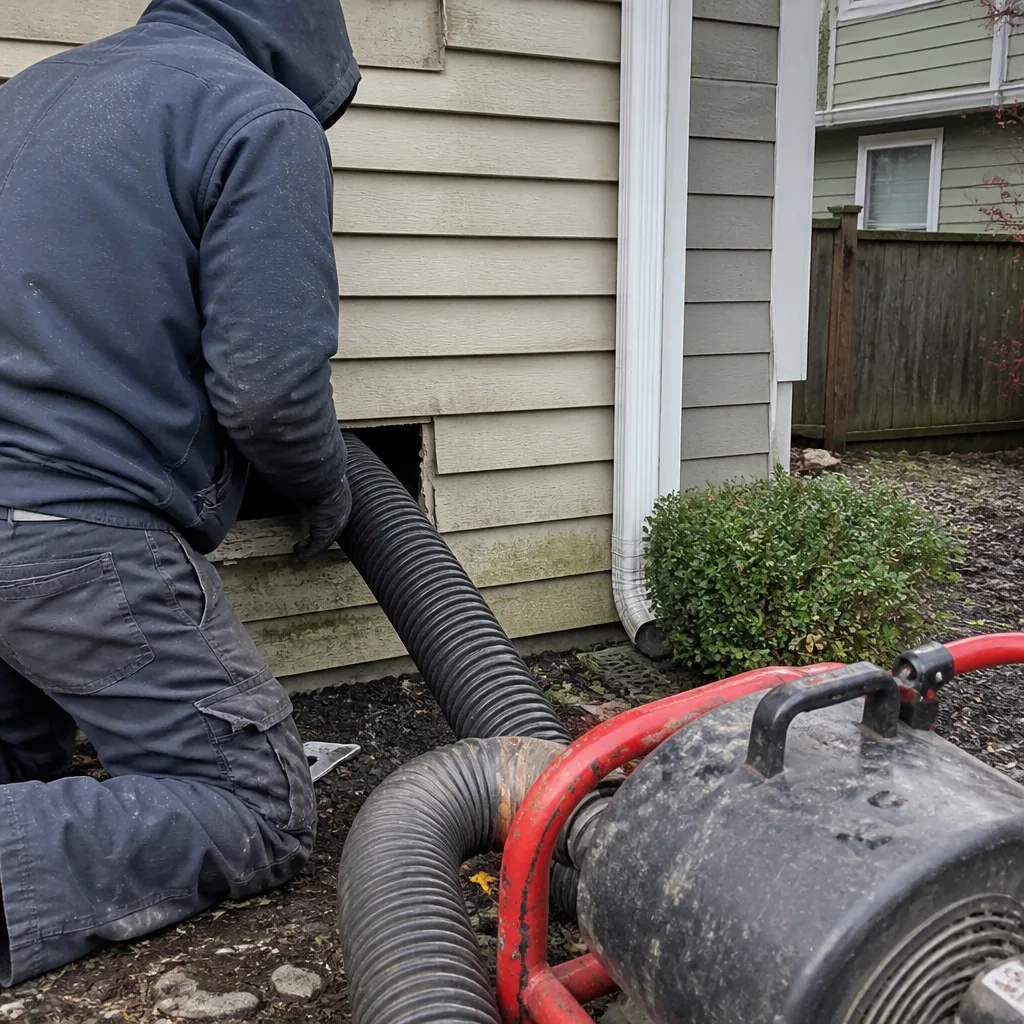 Before
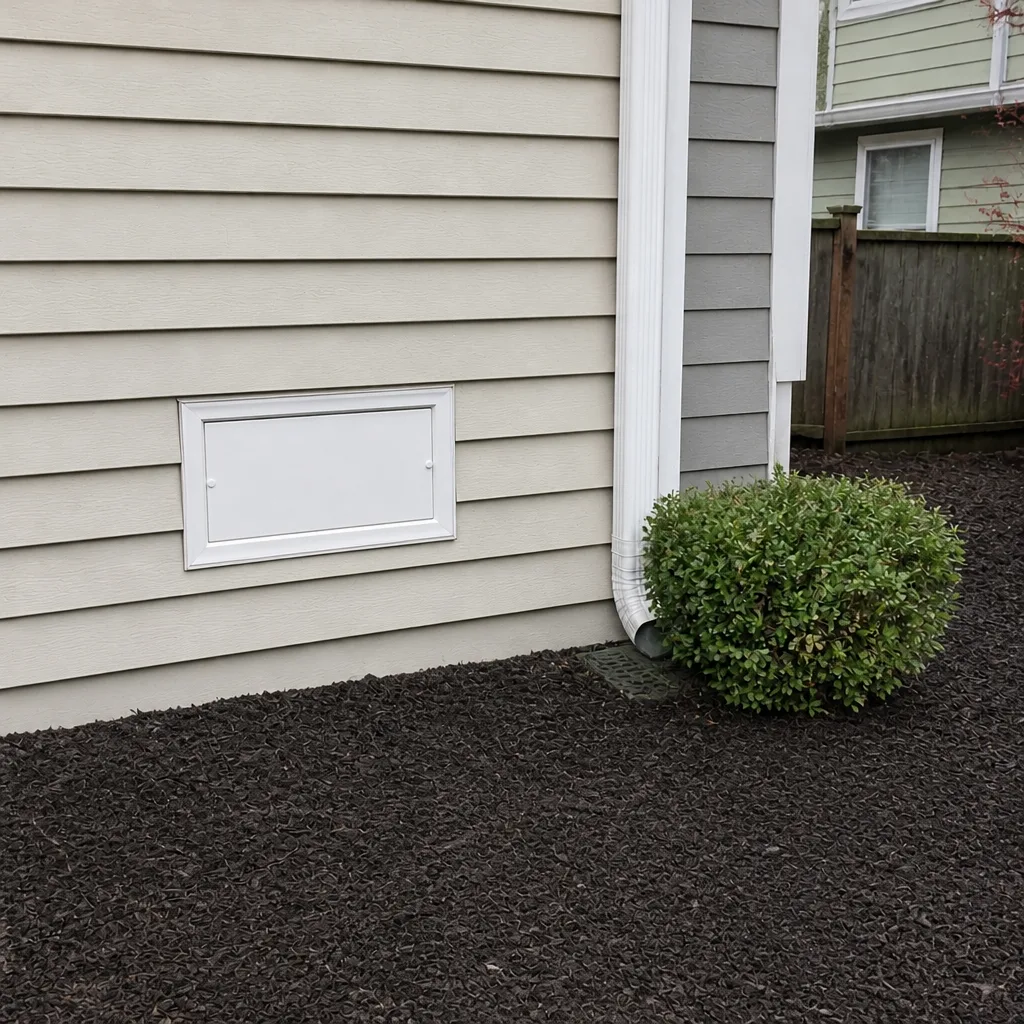 After
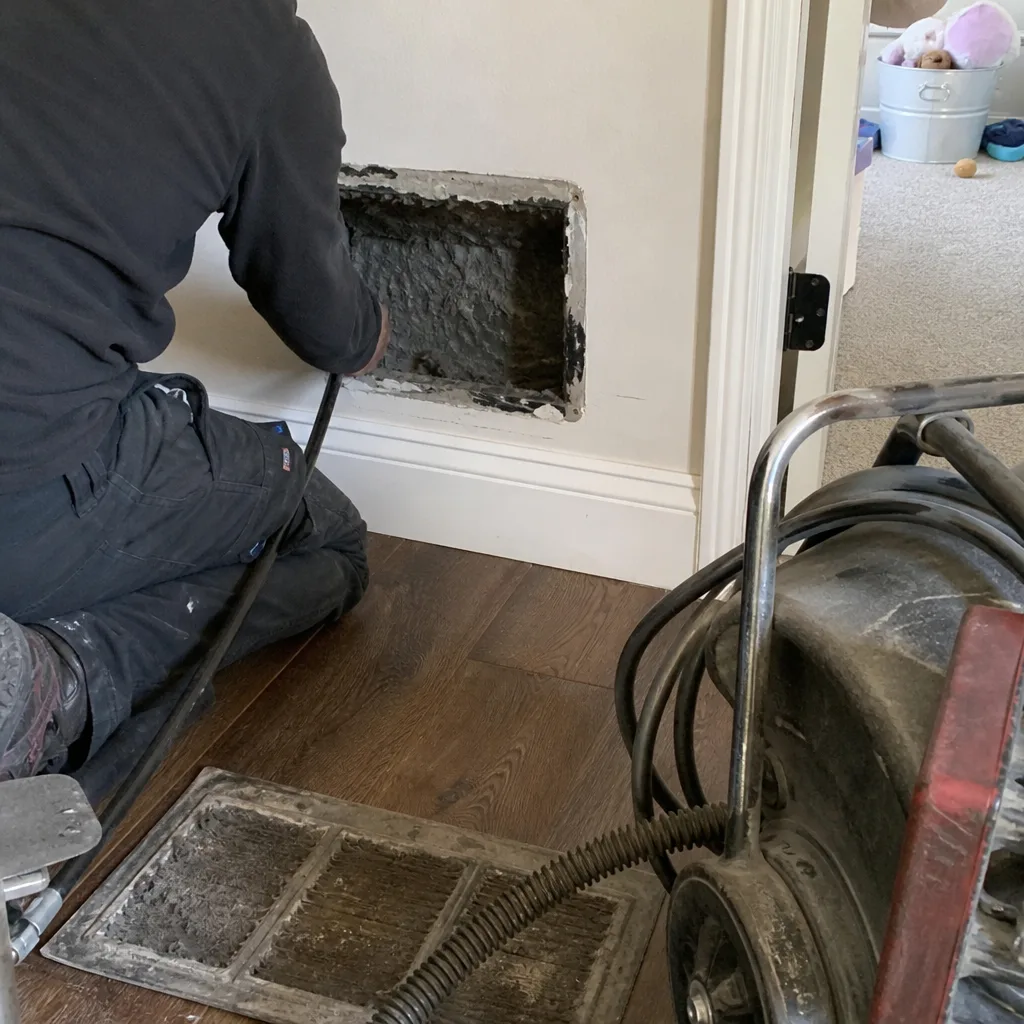 Before
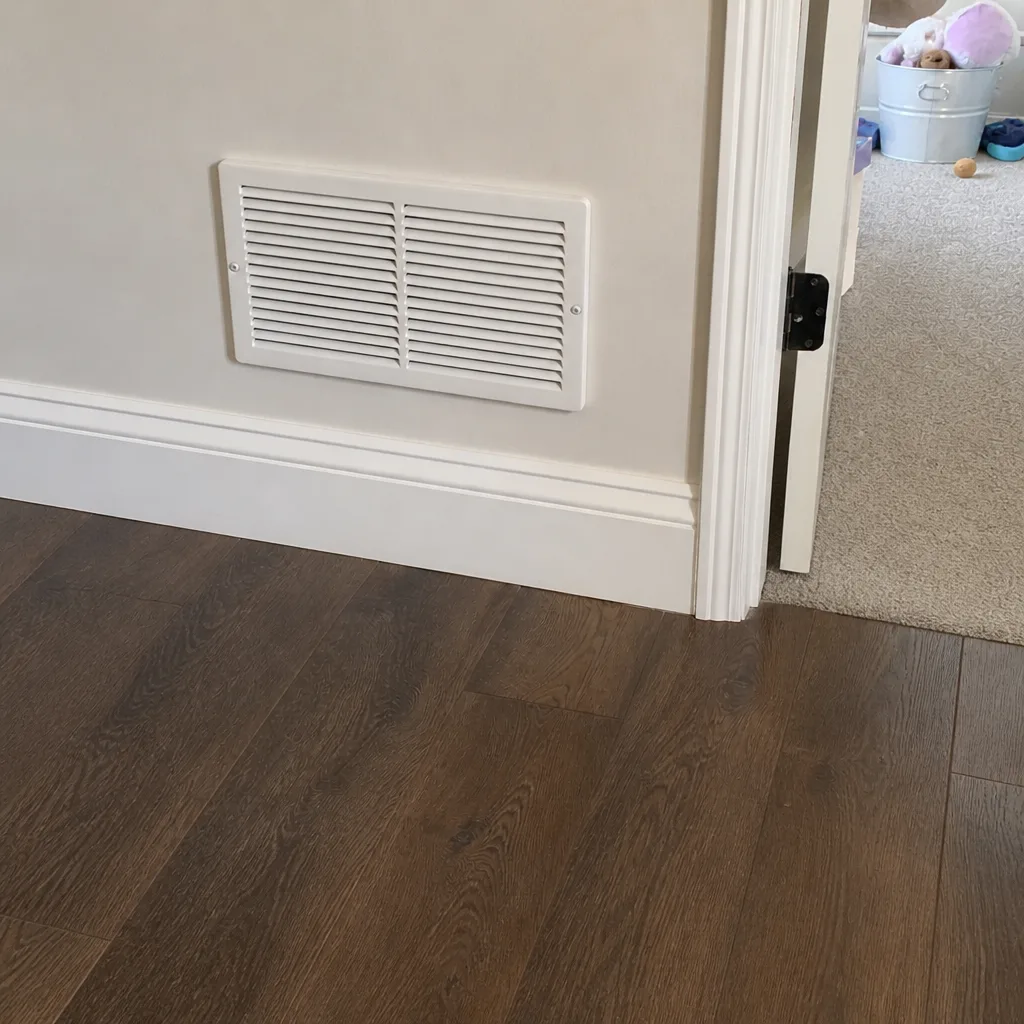 After
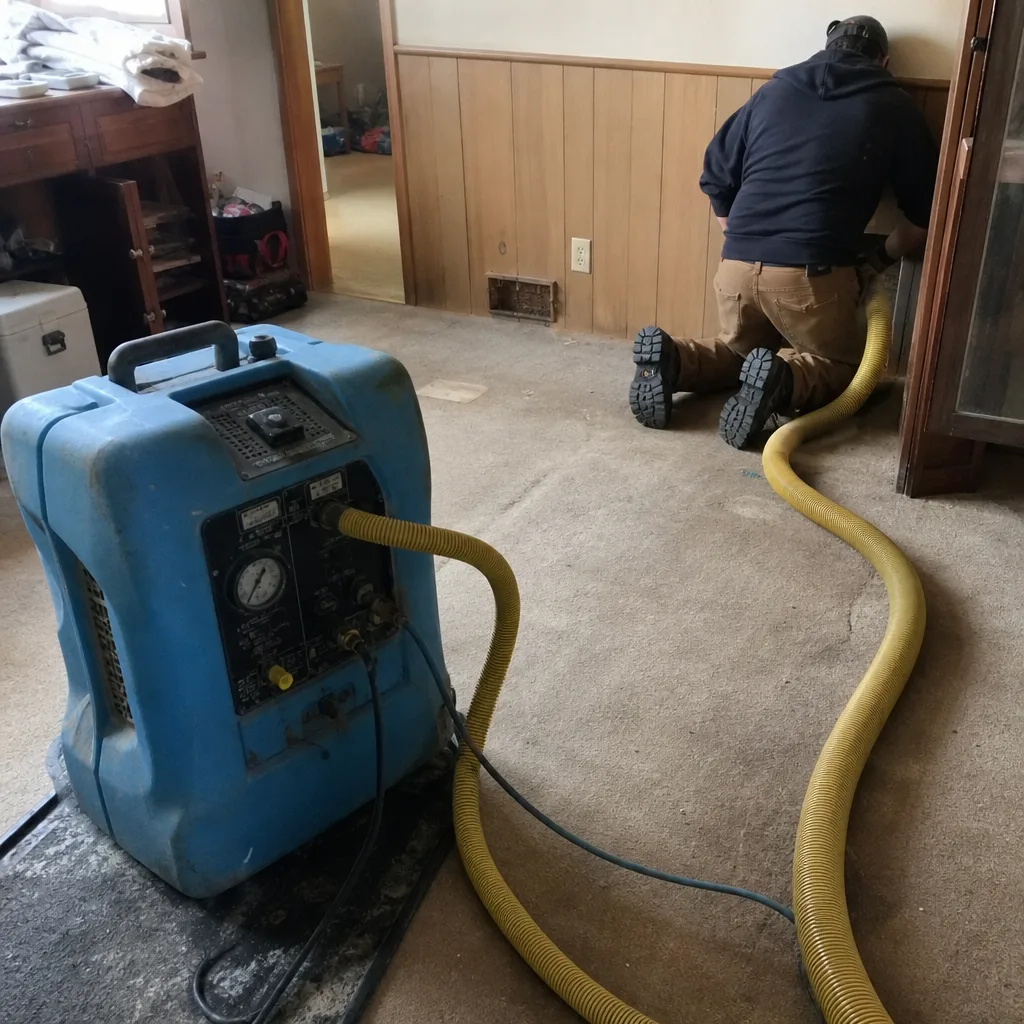 Before
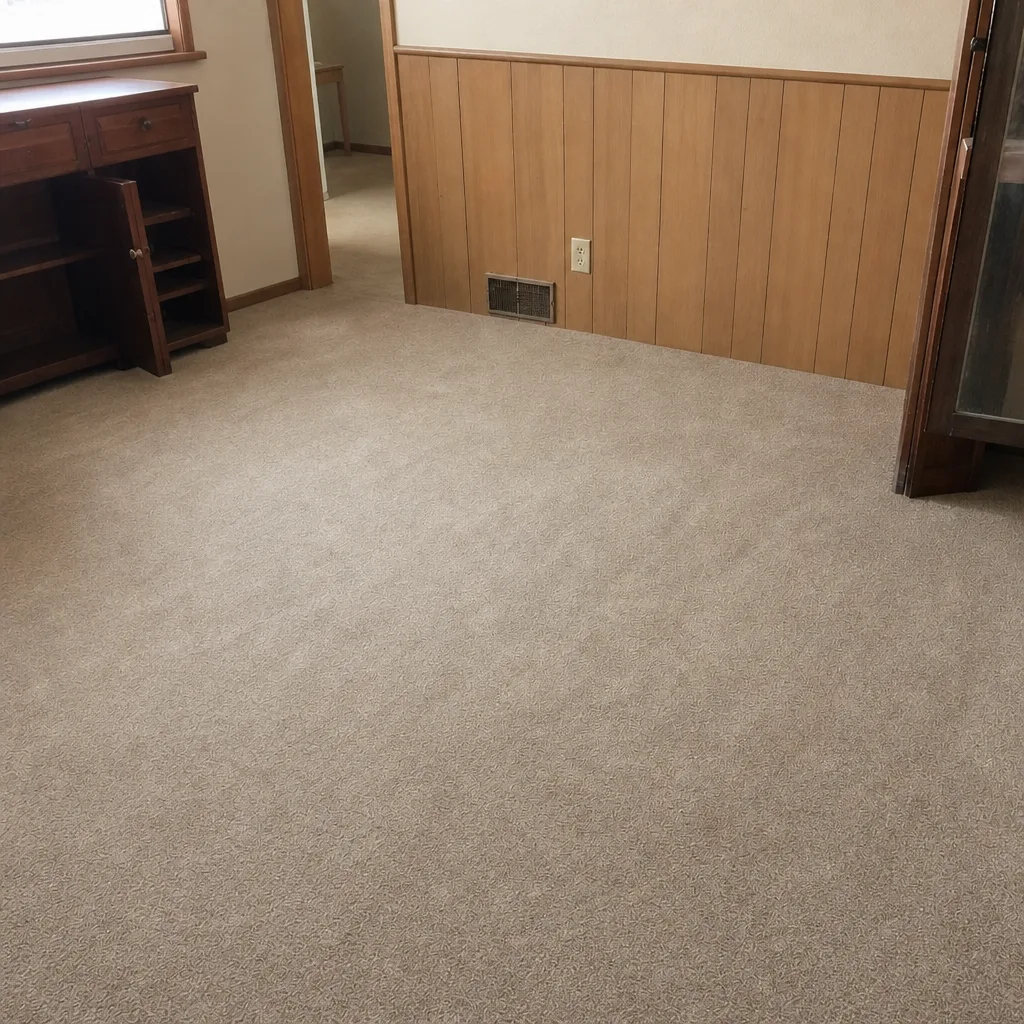 After
When to Call a Professional
Call a professional if you’re seeing visible dust or debris blowing from a register, if the system smells musty when the air handler kicks on, or if someone in the home has respiratory symptoms that improve away from home. Call if the system was recently remodeled and returns were open to construction dust, or if you’ve never had duct cleaning done in a home you just bought. Call if your dryer takes more than one cycle to dry a load – lint buildup is a safety issue, and it’s a separate service from duct cleaning. Our dryer vent cleaning service addresses that directly. Duct Cleaning Tacoma offers free estimates in Tacoma – call (888) 870-9539. We answer 24/7. Fast dispatch from 7am to 7pm, Sunday through Friday.
Frequently Asked Questions
Air duct cleaning in Tacoma is priced as a whole-system flat price rather than a per-vent charge, and the range depends on the number of supply runs, whether return plenums and the air handler are included, and how much contamination is present. A condo with a small system costs less than a pre-1990 Tacoma house with mixed duct materials and multiple zones. Call (888) 870-9539 for an exact quote – estimates are free, and the written estimate sets the final price.
Because a low quote is usually for contact vacuuming from register openings, not negative-pressure mechanical agitation of the whole system. Contact vacuuming is fast, light on equipment, and leaves most of the duct interior untouched – and it often excludes the return plenum and air handler entirely. The lower price reflects a smaller job, not a better deal. Call (888) 870-9539 to talk through what a full-system cleaning involves.
Ask for before-and-after photos of your own duct system, not stock photos, plus an airflow reading at the registers before and after cleaning. A company that cleans with proper equipment has no problem providing both. A company that doesn’t has no way to prove anything. Call (888) 870-9539 for an estimate.
There’s no fixed schedule – it depends on your home, your system, and what contamination is present. Homes with pets, recent remodels, wood-burning appliances, or a history of moisture problems benefit more often than a home with none of those factors. The right answer comes from an inspection of your actual system rather than a calendar. Call (888) 870-9539 for a free estimate.
Yes, in a specific way. Tacoma’s marine humidity keeps surfaces damp longer, which creates conditions where biological growth can take hold inside return plenums and flex runs in a way that dry-climate cities don’t see. That doesn’t mean every Tacoma duct system has mold – it means the pre-cleaning moisture inspection matters more here than the generic “duct cleaning checklist” advice suggests. Call (888) 870-9539 to schedule an inspection.
Usually, yes. Pre-1990 Tacoma homes often have mixed duct systems – original galvanized steel trunk lines feeding later flex duct branches – which requires different access strategies and gentler agitation on the flex runs. Original wall cavity returns and ducts routed through crawl spaces are common, and cleaning sometimes reveals a structural repair that needs to be done first. Call (888) 870-9539 and describe your home; we’ll tell you what to expect.
If you’re comparing Tacoma duct cleaners, ask three questions before you book: what equipment will be used, will the air handler and return plenum be included, and will you get before-and-after photos and airflow readings. If the answers don’t include professional-grade agitation, negative-pressure containment, and verifiable proof of work, the quote is for a different job than the one you’re picturing. Our technicians have up to 10 years of experience with duct systems specifically, not as a side offering, and free estimates are available for any Tacoma home.
The Bottom Line
Tacoma duct systems have specific contamination profiles – humidity-driven biological growth, smoke residue, construction dust, and pet dander trapped in mixed-material ductwork – and they respond to specific equipment and techniques. Contact vacuuming from register openings won’t solve them. Negative-pressure mechanical agitation with Rotobrush and Nikro equipment, containment from Abatement Technologies, and a proper before-and-after airflow check will. If the system has disconnected joints, crushed flex, or unsealed access points, repair has to happen before cleaning makes sense. The right approach is inspection first, one written price before work starts, and photo proof after.
Contact
Duct Cleaning Tacoma works on duct systems, dryer vents, and duct repair – nothing else. Free estimates are available for any Tacoma home. Call (888) 870-9539. We answer 24/7. Fast dispatch from 7am to 7pm, Sunday through Friday.
Written by the team at Duct Cleaning Tacoma.